

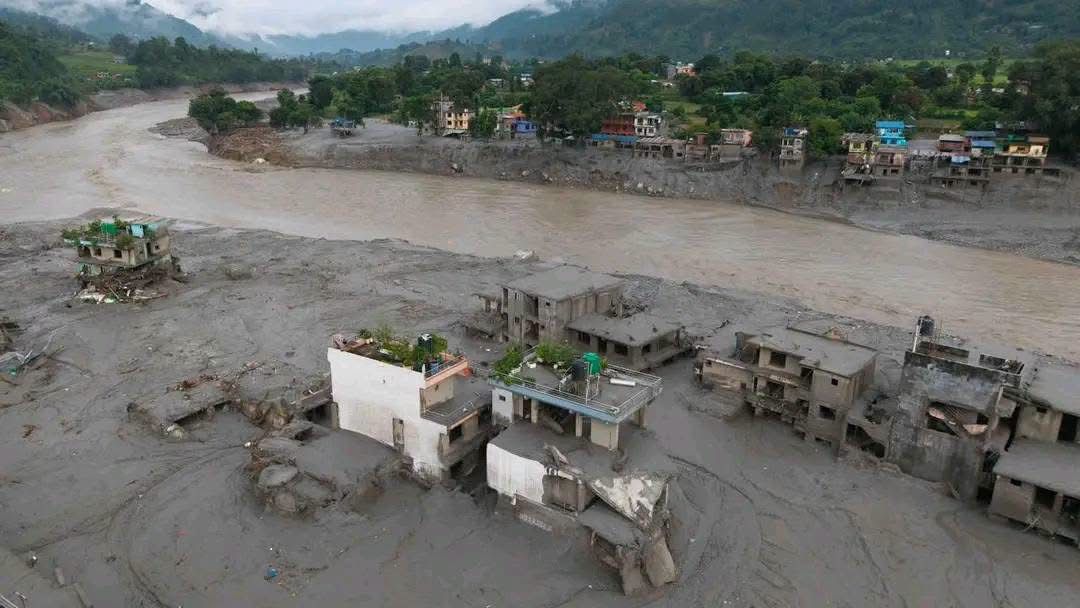
Nepal was hit by a devastating flash flood on August 26, 2026, causing widespread loss of life and serious damage across the northern Himalayan and hill regions. Rasuwa District and the Bhotekoshi River corridor were among the hardest-hit areas, with homes, roads, bridges, hydropower projects, and other infrastructure badly affected.
This was not simply a flood caused by heavy monsoon rain. Initial assessments suggest that a major natural event in the Himalayan region of Tibet triggered a powerful surge that entered Nepal through the Bhotekoshi River before moving downstream toward the Trishuli and Narayani river systems.
Where Did the Flood Come From?
Initial technical and scientific reports indicate that the flood originated in the mountainous region of Tibet, near the Nepal–China border.
A major collapse involving ice and rock is believed to have released a huge amount of water and debris. The sudden flow of water, ice, rocks, and mud then moved rapidly downstream.
The surge entered Nepal through the Bhotekoshi River in Rasuwa and continued downstream toward the Trishuli River system.
Flood Flow Route
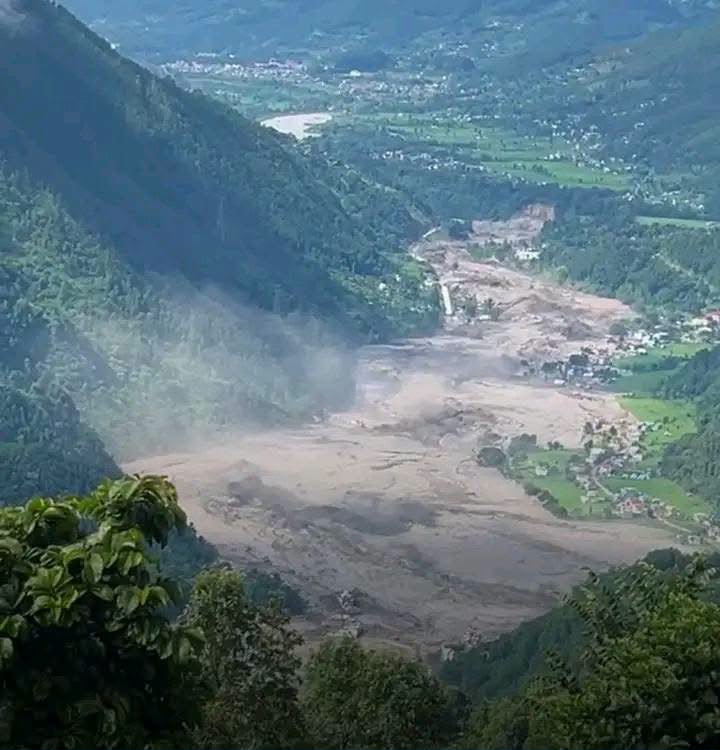
Tibetan Himalayan region → Gyirong area → Bhotekoshi River → Rasuwa → Trishuli River → Narayani River system
Because the flood followed the river system, its impact was not limited to a single settlement. Communities and infrastructure further downstream were also placed at risk.
Which Areas Were Affected?
Rasuwa was one of the worst-affected districts. Several settlements and infrastructure along the Bhotekoshi River suffered major damage.
Areas reported as affected or at risk include:
- Timure
- Rasuwagadhi
- Syabrubesi
- Melung
- Betrabati
- Salletar
- Shantibazar
- Pairebesi
- Khalti
- Sole
- Trishuli
- Battar
The flood also moved toward the Nuwakot and Dhading areas along the Trishuli River, increasing the risk for communities living close to the riverbanks.
The exact extent of damage may change as authorities continue to assess affected areas.
What Caused the Massive Flood?
The exact cause is still being investigated, but early assessments point to a major ice and rock collapse in the Himalayan region.
The collapse may have temporarily blocked a river or created a large debris-filled body of water. When that natural blockage failed, a huge volume of water and debris could have rushed downstream, creating a powerful flash flood.
Experts are still studying the event, so it is better to describe the cause as a probable glacier- or ice-related collapse and debris flow rather than presenting one explanation as a confirmed fact.
How Much Damage Did the Flood Cause?
The flood caused extensive destruction along the Bhotekoshi and Trishuli river corridors.
Homes, hotels, shops, roads, bridges, border infrastructure, and hydropower facilities were among the structures affected. In some places, roads and bridges were washed away or seriously damaged, making transportation and rescue operations much more difficult.
Hydropower infrastructure was also hit because many projects are located close to the rivers.
Death Toll and Missing People
The number of deaths and missing people has continued to change as rescue teams reach more affected areas and authorities update their reports.
Reports on August 27 indicated that more than 160 people had died across Nepal and Tibet, with many others still missing. However, this figure should be treated as a developing figure because search and rescue operations were still underway.
For a blog that will remain online, it is best to update the casualty figures regularly and clearly mention the date and source of each update.
Damage to Roads and Bridges
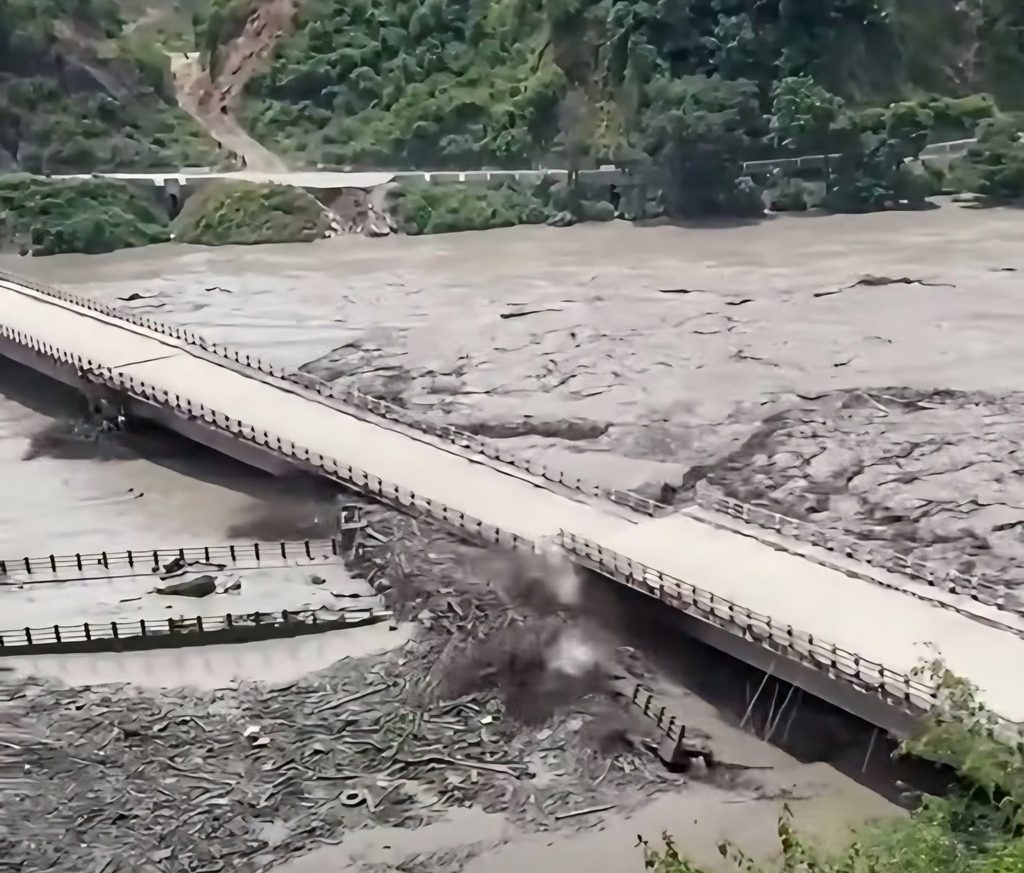
One of the biggest challenges after the flood has been damage to transportation infrastructure.
Several roads and bridges in the affected region were damaged, cutting off communities and making it harder for emergency teams to reach people in need.
The damage also affected transportation and trade routes connecting the northern border areas with other parts of Nepal.
Impact on Hydropower Projects
The Bhotekoshi and Trishuli river corridors are home to several hydropower projects, making the region particularly vulnerable when river levels rise suddenly.
The flood damaged parts of hydropower and electricity infrastructure, raising concerns about power generation, transmission, and distribution in affected areas.
Repairing these facilities may take considerable time, depending on the extent of structural damage and access to the sites.
Search, Rescue and Relief Operations
Following the disaster, the Nepal Army, Nepal Police, Armed Police Force, and local rescue teams were mobilized to search for missing people and assist those trapped by the flood.
Helicopters have also been used where roads are blocked or inaccessible.
However, rescue operations have been challenging because of damaged roads and bridges, unstable terrain, bad weather, debris, and communication problems.
Impact on Tourism and Travel
The flood has also affected travel in northern Nepal. Rasuwa and the Bhotekoshi corridor are important routes for tourists, trekkers, local travelers, and people travelling toward the Nepal–China border.
Travelers heading toward Langtang, Rasuwagadhi, and other areas in the region should check the latest road conditions and official safety notices before travelling.
Anyone visiting a flood-affected area should avoid riverbanks, damaged bridges, and unstable roads and follow instructions from local authorities.
Is Climate Change Responsible?
The disaster has also raised questions about the changing Himalayan environment and climate change.
Rising temperatures are affecting glaciers, snow, and high-altitude landscapes across the Himalayas. These changes can contribute to certain mountain hazards, including glacier-related floods and unstable slopes.
However, it is too early to say that climate change directly caused this particular flood. Scientists will need more detailed research to understand exactly how much climate and environmental changes contributed to the event.
Why Are Flash Floods So Dangerous in Nepal?
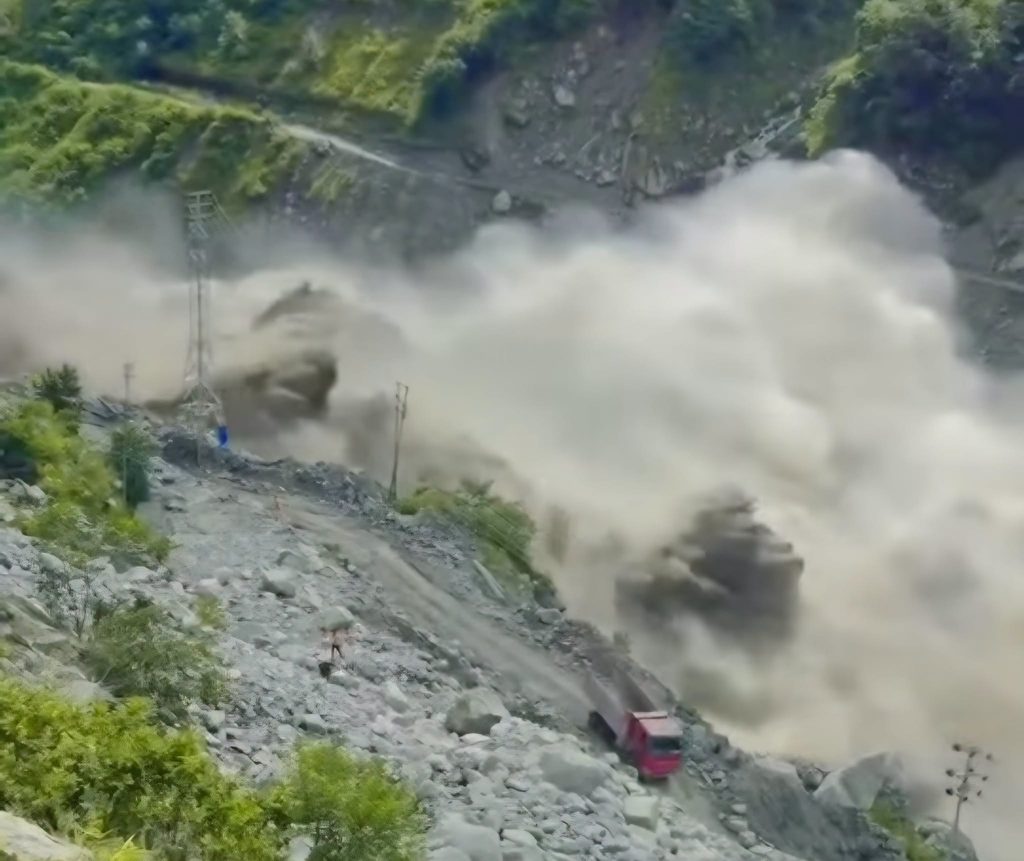
Nepal’s mountainous landscape makes it highly vulnerable to sudden floods and landslides.
Steep slopes, narrow river valleys, heavy monsoon rainfall, landslides, glacier-related hazards, and rapidly changing conditions in the high mountains can all contribute to dangerous flooding.
A river can rise extremely quickly when a natural blockage suddenly breaks. Water mixed with rocks, mud, ice, and other debris can become much more destructive than ordinary river flooding.
What Can Nepal Do to Reduce Future Risks?
The 2026 Bhotekoshi flood highlights the need for stronger disaster preparedness and early-warning systems.
Nepal can reduce future risks by:
- Expanding real-time river monitoring systems
- Improving early-warning systems in vulnerable communities
- Monitoring glaciers, ice and high-altitude lakes
- Strengthening roads and bridges in flood-prone areas
- Improving emergency communication systems
- Conducting regular disaster preparedness training
- Strengthening cooperation between Nepal and China on cross-border flood warnings
Conclusion
The Massive Flood in Nepal 2026 was a devastating disaster that caused significant loss of life and widespread damage, particularly in Rasuwa and along the Bhotekoshi and Trishuli river corridors.
Initial assessments suggest that a major ice- and rock-related event in the Tibetan Himalayas triggered a powerful surge that entered Nepal through the Bhotekoshi River before moving downstream.
The disaster damaged homes, roads, bridges, hydropower facilities, and other infrastructure while disrupting transportation and local communities.
As search and rescue operations continue, the full scale of the disaster is still becoming clear. The 2026 flood is a strong reminder that Nepal needs better early-warning systems, stronger infrastructure, improved Himalayan monitoring, and effective cooperation across borders to prepare for future mountain disasters.
Posted on