The Annapurna Region is also among other well known trekking sites in Nepal and has continually been among the favorite trekking sites among lovers of the mountains. It is special because it is accessible and has spectacular landscapes as well as cultural richness. Annan, be it a first-time trekker or an experienced mountaineer, the Annapurna Region offers treks of all levels of difficulty.
Geography & Location
Central Position
The area is well accessible but at the same time untouched and untamed, being in the Central Nepal Province in Gandaki Province.
The Annapurna Massif
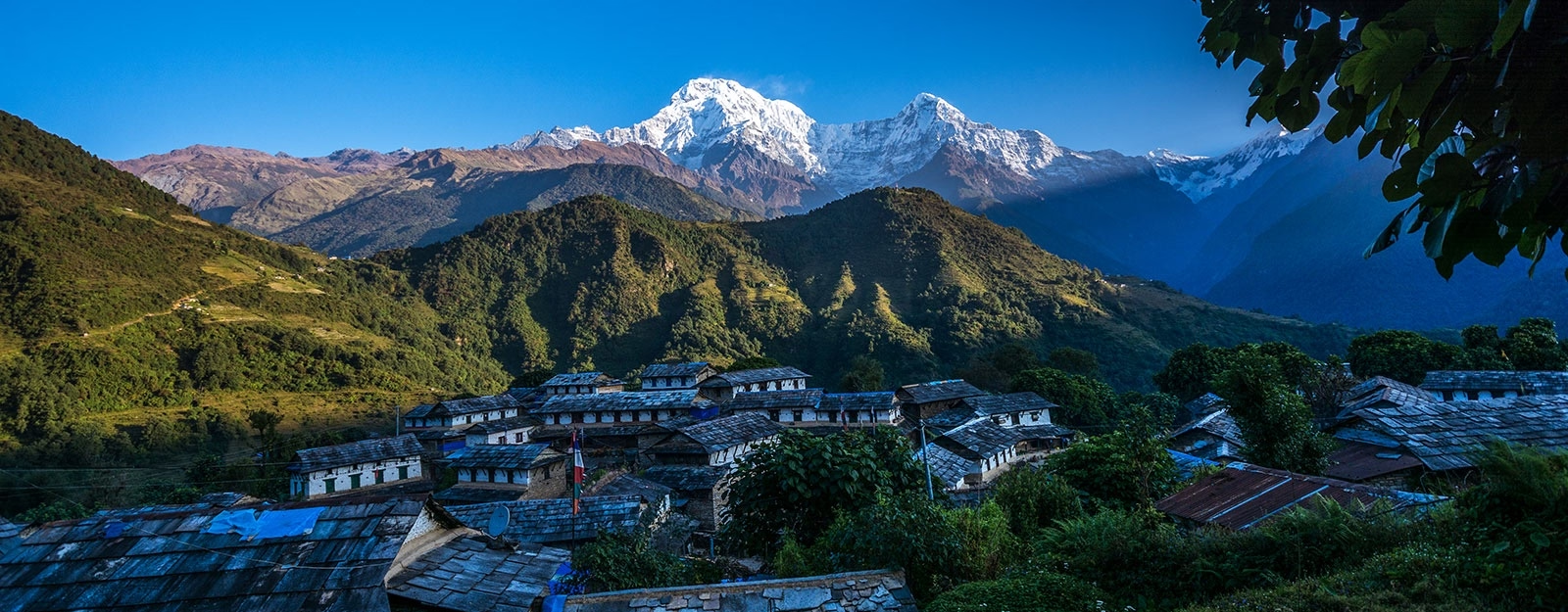
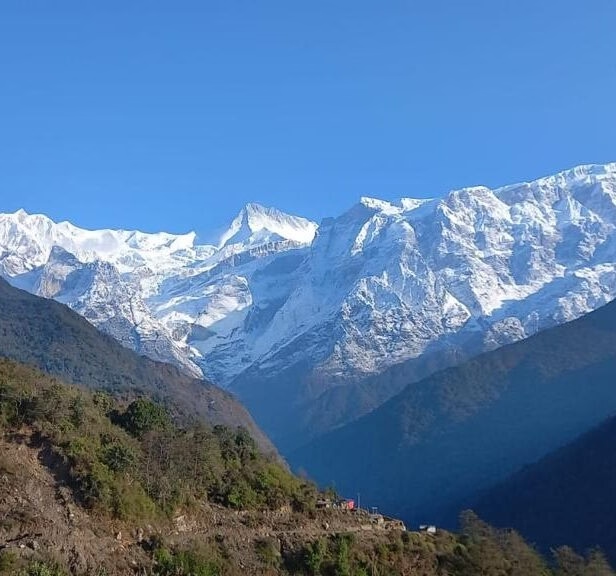
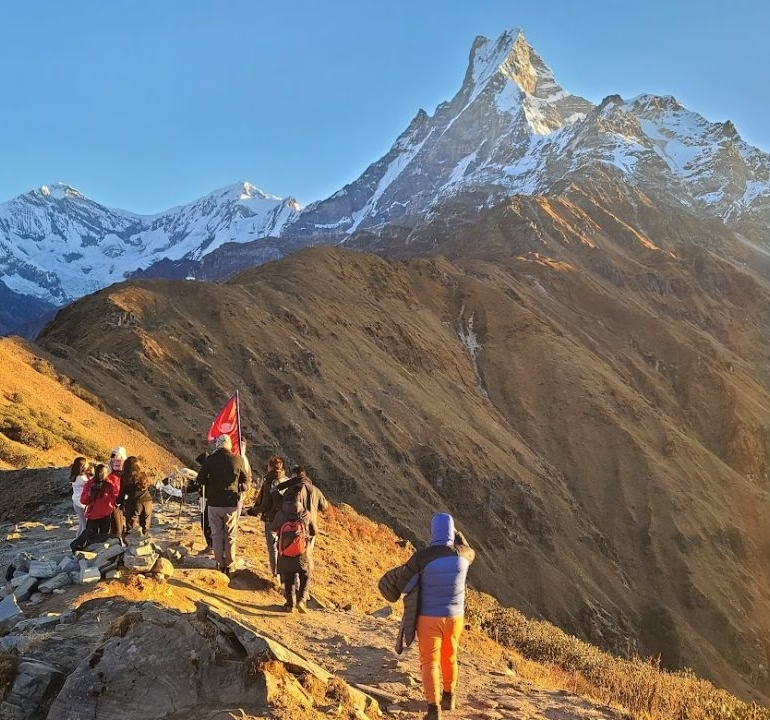
Its core is Annapurna I (8,091m) the 10 th highest peak in the world. With it, there are iconic Machhapuchhre (Fishtail), Dhauligiri, Nilgiri and Hiunchuli, that form a great drama of an amphitheater of mountains.
Rivers & Valleys
Deep gorges are created by Kali Gandaki, Marsyangdi and Modi Khola rivers, which create various trekking landscapes.
Protected Area
The largest conservation area in Nepal is the Annapurna Conservation Area which preserves the ecosystems, wildlife and the culture of this land and enhances sustainable tourism.
Major Attractions
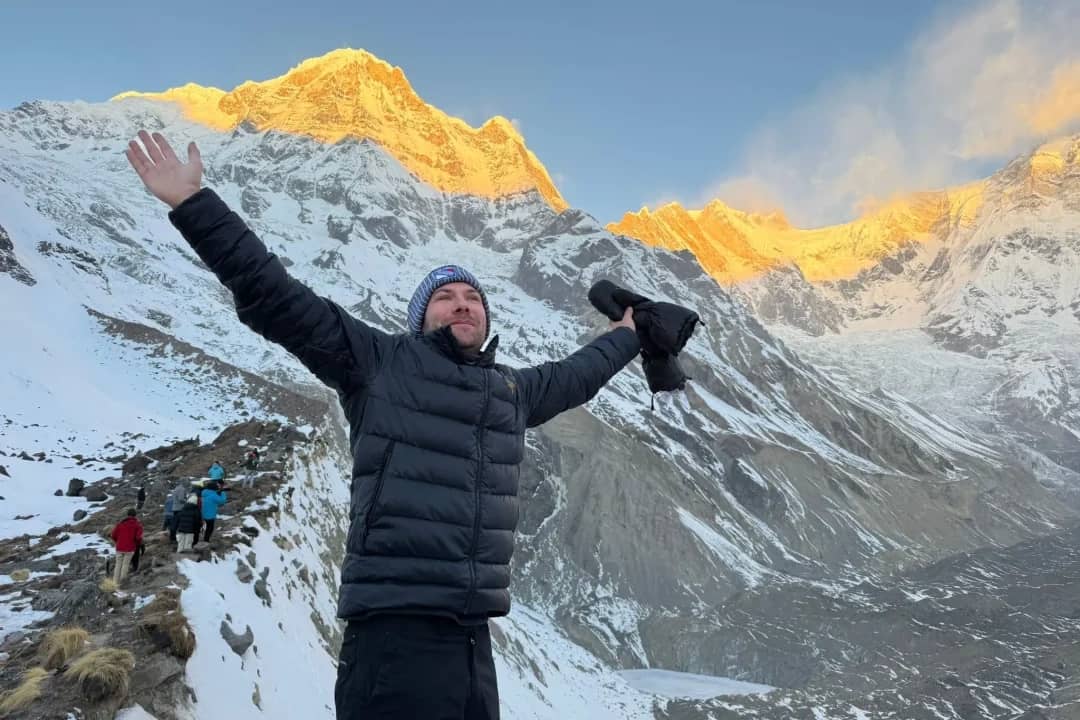
Annapurna Base Camp (ABC)
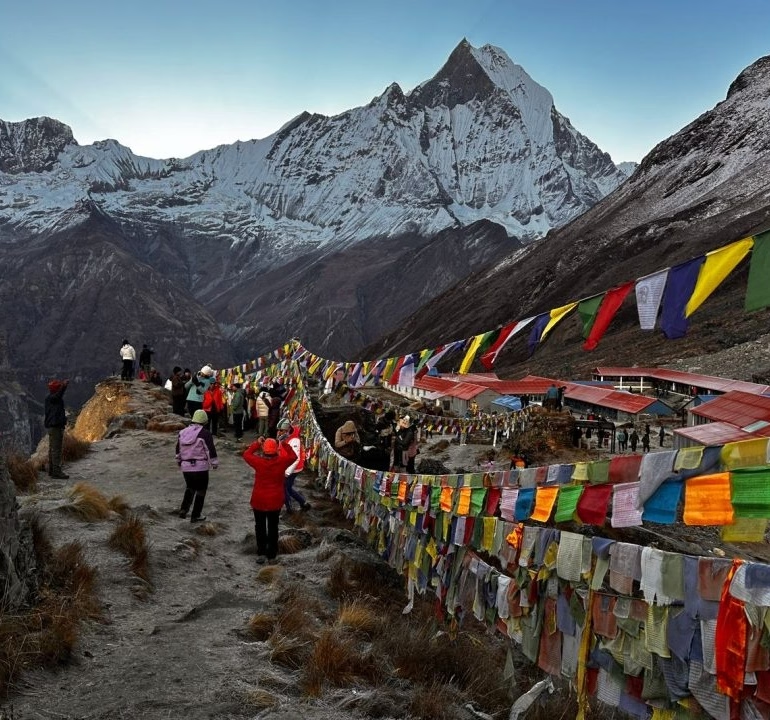
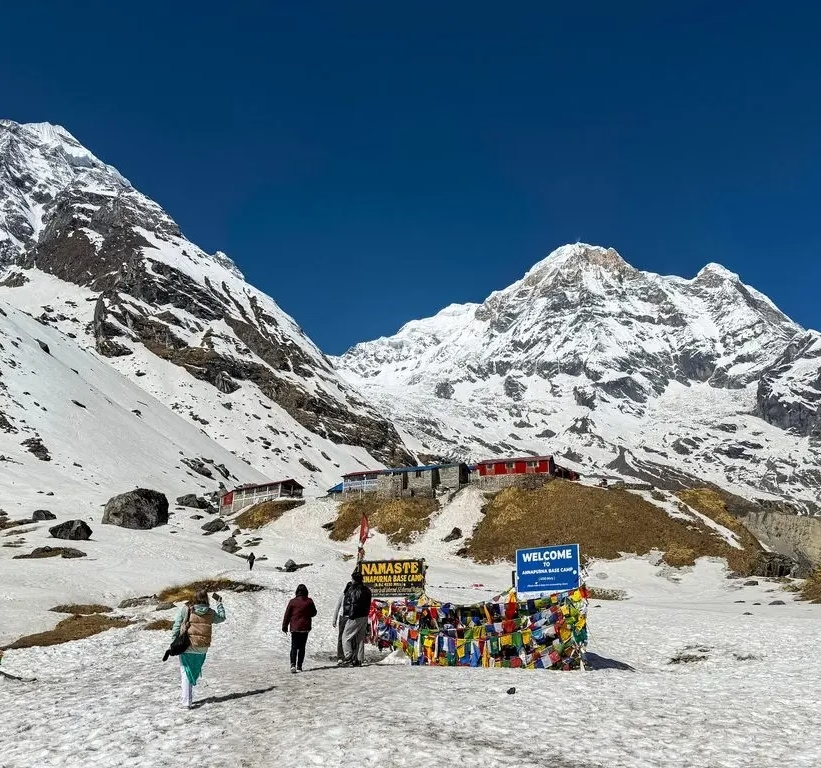
ABC, which is at 4,130m is positioned in natural amphitheater with spectacular mountainous ranges being the environs, making it be one of the most unbelievable scenes of the Himalayas.
Annapurna Circuit
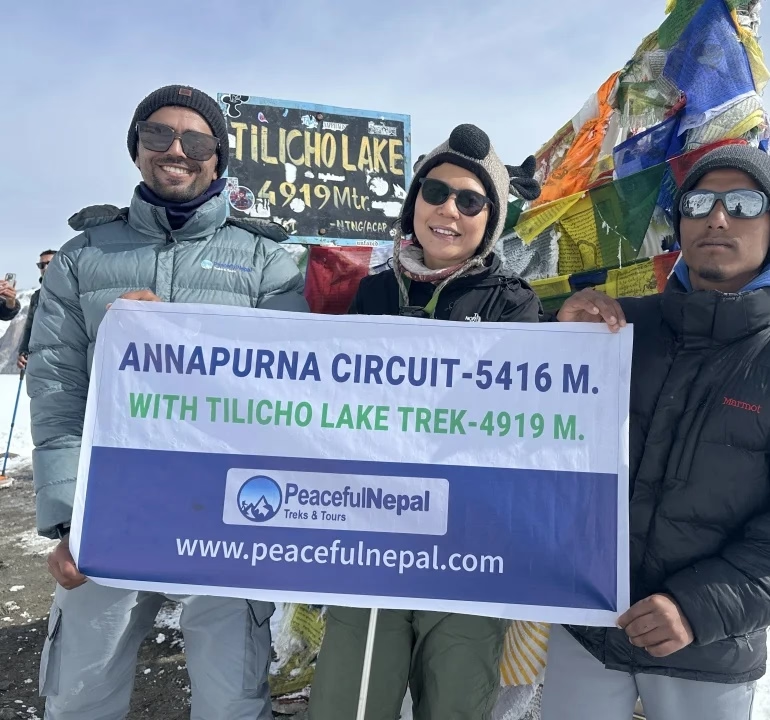
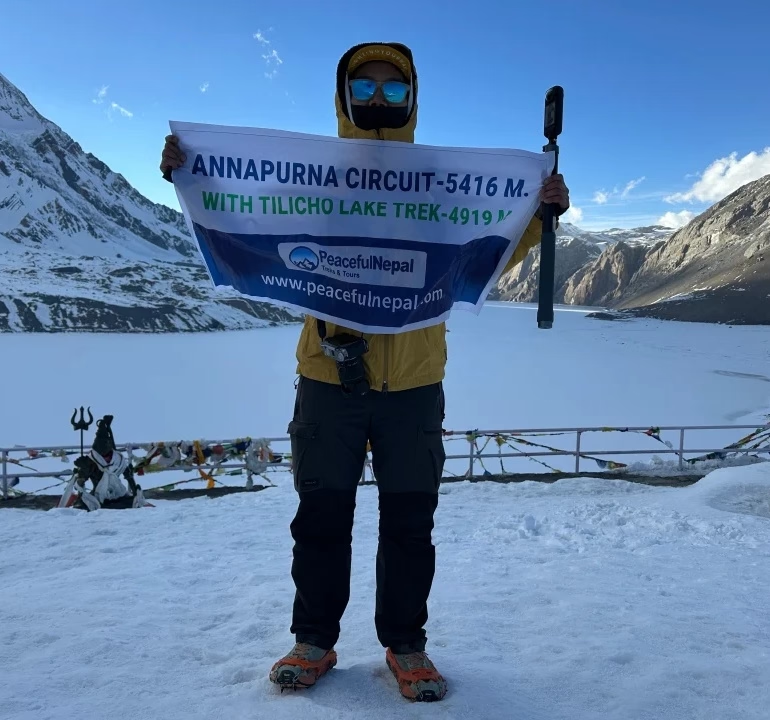
It is a globally renowned hiking trail that goes around the massif, over Thorong La Pass (5,416m), and exhibits spectacular changes in culture and climatic zones.
Poon Hill
Poon Hill is a convenient sunrise observation point with panoramic views of Annapurna and Dhauligiri ranges and is located at an altitude of 3,210m.
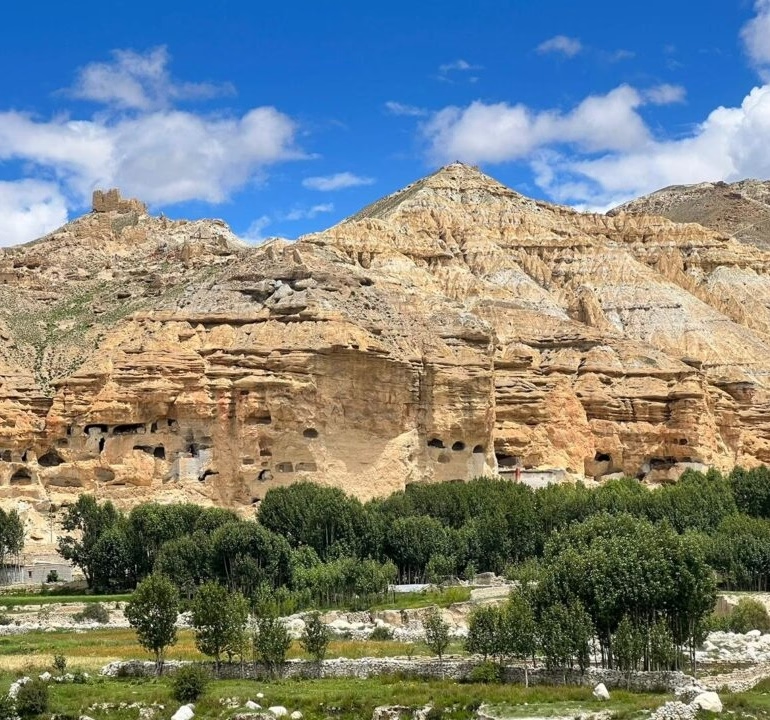
Upper Mustang
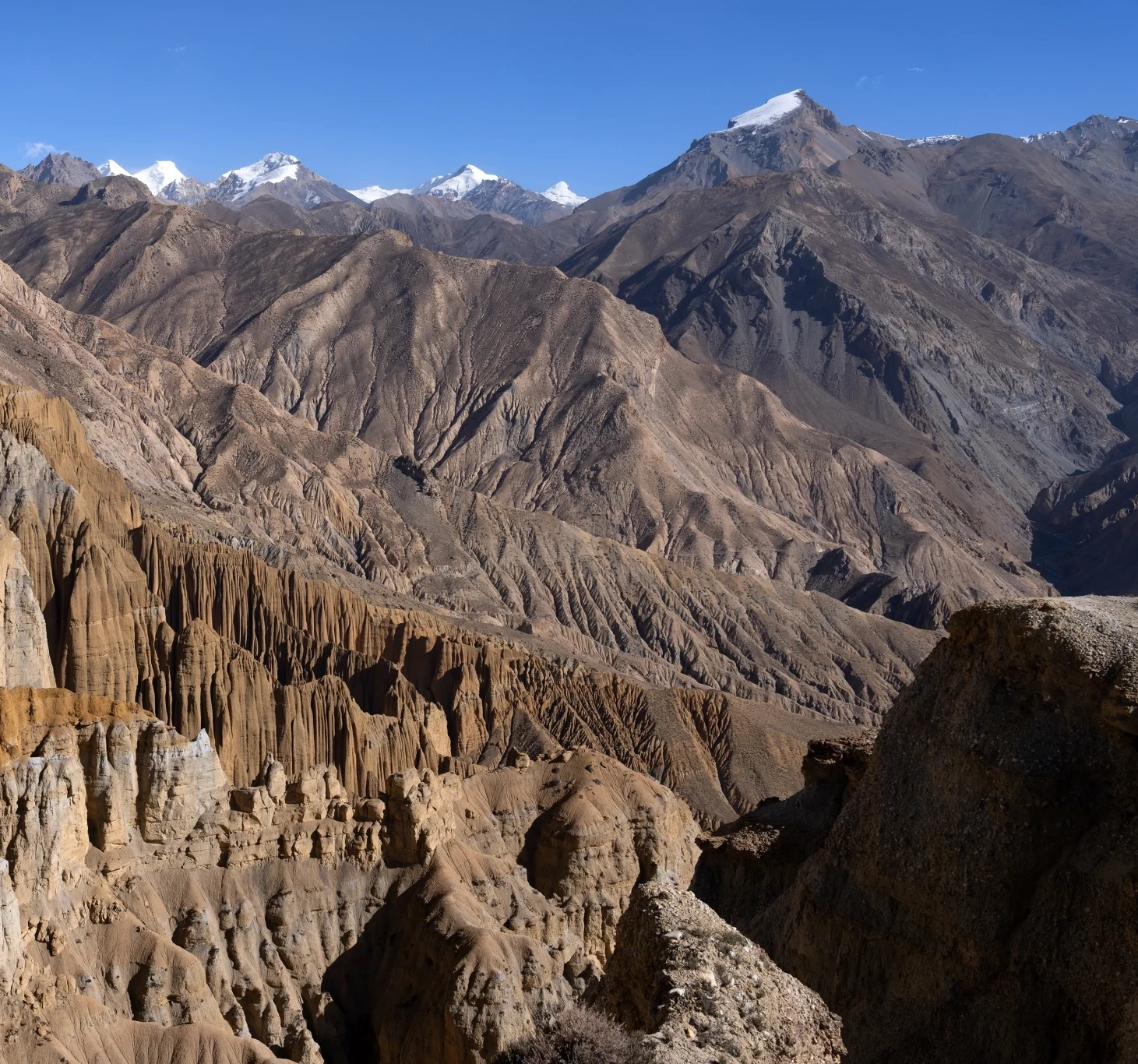
The Hidden Kingdom as it is also known, has deserts like terrain, Tibetan culture influences, caves, and ancient monasteries.
Tilicho Lake & Mardi Himal
Tilicho (4,919m) is among the highest lakes in the world whereas the Mardi Himal Trek is an alternative that is less crowded and scenic.
Culture & People
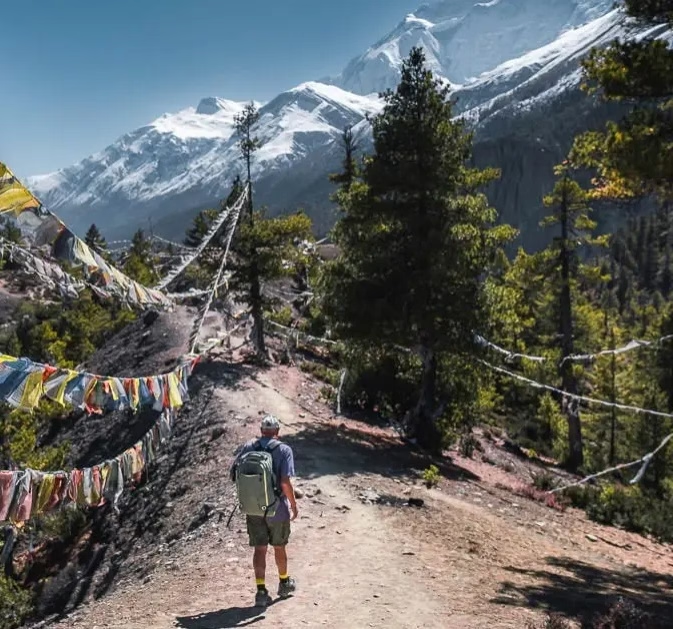
There are the Gurung, Magar, Thakali, Manangi and Tibetan-influenced communities that each have a distinct set of traditions. Tourists also find colorful festivals, hospitable homes and spiritual scenery characterized by monasteries, temples, chortens and prayer flags.
Trekking & Adventures
Classic Routes
ABC Trek: Average, satisfying, and scenic.
Annapurna Circuit: An elevated classic.
Ghorepani Poon hill: short, easy level.
Mardi Himal: Less people and more beautiful views.
Remote Adventures
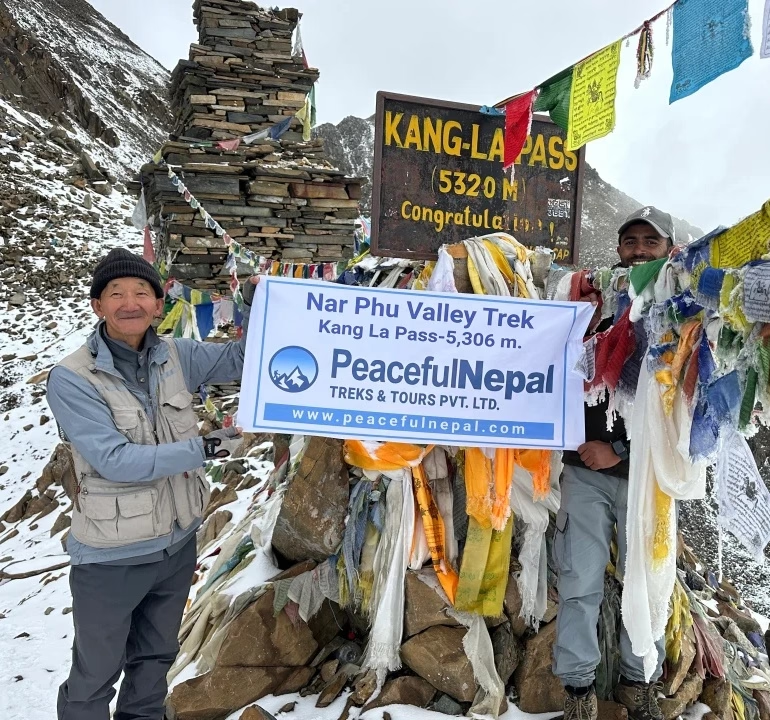
The Upper Mustang, Nar-Phu valley and the Tilicho Lake are difficult hikes which require special permits.
Climbing & Beyond
One can ascend Pisang Peak, Tent Peak or Chulu peaks. There is also paragliding, mountain biking and cultural tours in the area.
Flora & Fauna
Conservation Efforts
The Annapurna Conservation Area Project (ACAP) is a project that conserves biodiversity and also sustains the local livelihoods.
Wildlife
Animals found in the area include snow leopards, blue sheep, Himalayan thar, langurs and the colorful Himalayan monal which is the national bird of Nepal.
Vegetation Zones
Trekkers pass the forest of subtropics, rhododendron belts, high places alpine meadows, and wasteland.
Accessibility & Transportation.
Pokhara Gateway
The majority of treks are initiated at Pokhara which is a picturesque lakeside town linked with Kathmandu by air or road.
Flexible Access
Trailheads are Besisahar (Circuit), Nayapul (ABC) and Kande (Poon Hill). There are also flights between Pokhara and Jomsom as well as Manang.
Accommodation & Facilities
Teahouses & Lodges
Large network of lodges will provide food, accommodation, and cultural experience on the key routes.
Modern Comforts
Hot showers, charging stations, bakeries are present in the major trekking towns.
Camping Options
Camping treks are still necessary in remote places such as Nar-Phu or Upper Mustang.
Challenges & Considerations
Altitude Risks
Thorong La may put one at risk of altitude sickness due to its high elevation and places such as Tilicho Lake. The essential point is to properly acclimatize.
Weather Variability
Plans can be derailed by the presence of snow, rain and landslides. Flexibility is crucial.
Permits
Trekkers will require ACAP permits, TIMS card and special passes to restricted areas (Upper Mustang, Nar-Phu).
Best Time to Visit
spring (Mar-May): sunny, rhododendron.
Autumn (Sep-Nov): Period of solid weather, greatest visibility.
Winter (Dec-Feb): Colder, but not so noisy trails.
Monsoon (Jun-Aug): It rains except in rain-shadow regions of Mustang.
Conclusion
The Annapurna Region is a natural beauty, cultural, and adventure in a trekking heaven that one is bound to remember. It has hikes of any height, such as Poon Hill, to the illustrious Annapurna Circuit. It is so accessible, so rich in biodiversity, and so culturally rich that Annapurna should be a place of visit to every person who wants to experience something real in the Himalayas.