At a glance: An 18-day strenuous climb, reaching 6,249 m. Best season: Spring and Autumn. From $2,549 per person.
Larke Peak Climbing Highlights
Start your scenic drive from Kathmandu in a private 4x4 Jeep.
Trek through the classic Manaslu Circuit Trail before ascending Larke Peak.
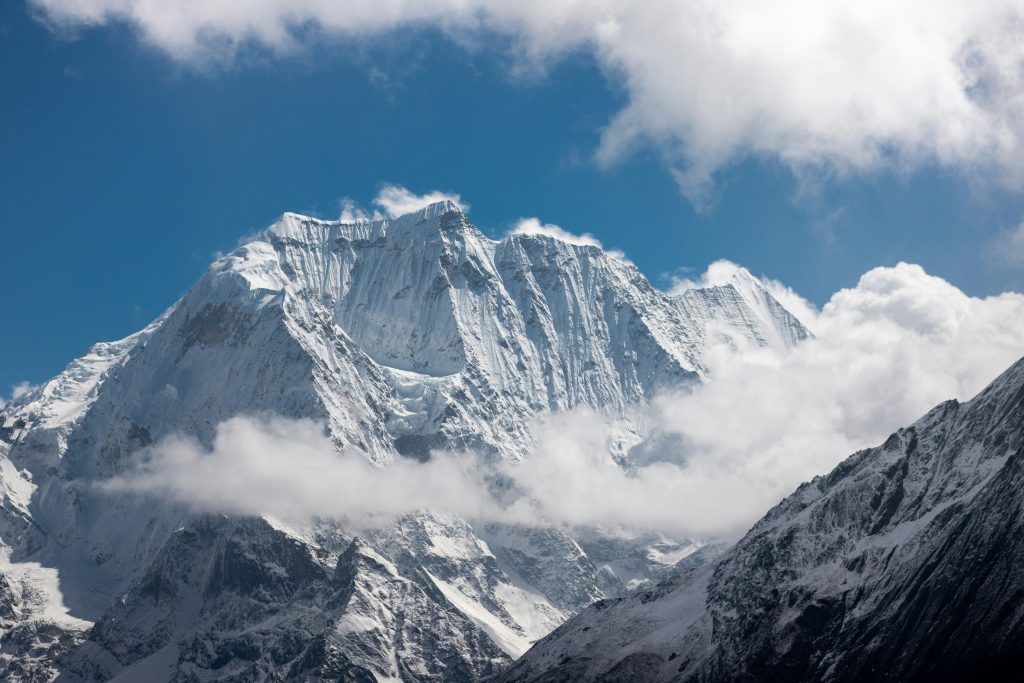
Enjoy breathtaking panoramas of Manaslu, Himlung Himal, Annapurna II, and Cheo Himal.
Pass through the Manaslu Conservation Area filled with lush forests and wildlife.
Cross Larke La Pass (5,160m) to enjoy a 360-degree view of the surrounding landscape.
Witness traditional homes, rural villages, farmland, monasteries, and chortens.
Stand at the top of Larke Peak at 6,249m with a sense of accomplishment.
Capture unlimited photos and videos from various viewpoints.
Trip Overview
Larke Peak Climbing is one of the most exciting and scenic mountain climbing experiences in Nepal, which is situated in the Manaslu region of Gorkha District. Having a height of 6,249 meters (20,502 feet), the Larke Peak is located near another well-known Larke La Pass (5,160m) – a high mountain pass that links the Manaslu Circuit Trail and the Annapurna area.
This 18-day trip is the ideal combination of joyful culture, scenic hiking as well and peak climbing. It traverses the lonely paths of theManaslu Conservation Area, full of Buddhist-inspired villages, dense forests, and spectacular Himalayan scenery. The trip starts with Kathmandu to Machha Khola, trailed on the beautiful Budhi Gandaki River Valley, and slowly ascends via charming villages such as Jagat, Deng, Namrung, and Samagaun to the Larke Peak Base Camp.
Larke Peak is close to some of the most recognizable Nepal mountains – Manaslu (8,163m), Himlung Himal, Annapurna II, and Cheo Himal, which offer great panorama views from the top. The ascending part is on the moderate level, and it is recommended to all adventure seekers who have prior knowledge of trekking, but want to explore and enjoy both high-altitude trekking and climbing within the same trip.
Larke Peak Climbing (18 Days) adventure with professional guides, adequate acclimatization, and breathtaking alpine scenery ensures an unimaginable Himalayan adventure in one of Nepal’s most untouched and naturally beautiful areas.
Major Attraction Of Larke Peak Climbing
The entire Larke Peak Climbing is full of scenic natural beauty and adventure. But here are some of the major attractions that you will love and make your trip more memorable.
Mesmerizing Himalayan Panorama
Larke Peak provides an eye-catching sight view of the Himalayan giants around it. You will be looking over the great Manaslu, Himalchuli, and Ganesh Himal with amazing points of view. The views that the summit offers are truly breathtaking, and the journey to the summit is all worth it. It is like a dream place where even photos can hardly capture its beauty.
A Perfect Addition to the Manaslu Circuit Trek
Larke Peak is frequently ascended as a part of the astonishing Manaslu Circuit trek. This implies that you get to enjoy what was one of the most diverse and rewarding routes in Nepal. The add-on summit of the peak on this already popular trekking route is one.
Peaceful Trails and Untouched Wilderness
Compared to the popular climbing destinations such as Mera Peak, Island Peak (Imja Tse), and Lobuche East, climbers can find peaceful climbing routes in Larke Peak. Due to the small number of tourists, you can enjoy the breathtaking view without rushing and distractions.
Authentic Cultural Encounters
On the route to the Larke Peak, you will pass through traditional villages rich in Buddhist culture and traditions. Staying at the local tea house while enjoying their warm hospitality and listening to their stories is full of fun. Also, visiting ancient monasteries and prayer flags adds beauty to your journey.
A True Himalayan Climbing Experience
Larke Peak climbing is a combination of adventure and thrills. Reaching the summit from the base camp demands determination, endurance, and basic mountaineering skills. Reaching the summit gives you pride and inspires you to visit other destinations in the future.
Ever-Changing Natural Beauty
The path you walk on the Larke Peak trek takes you to the lush green forest full of Rhododendron flowers, oak trees, gushing rivers, and across high alpine pastures. The change in scenery until you reach the top of the summit makes every day of the journey exciting and unique.
Best Time To Do Larke Peak Climbing
If we have to pinpoint the best time to conquer Larke Peak, then it is definitely during the Spring (March to May) and Autumn (September to November). The good weather, safety, experience, and the finest view of breathtaking mountain views and landscape makes the Larke Peak climbing joyful in this season. Let’s find out what you can expect in each season so you can decide when to travel.
The Reigning Monarch: Autumn (September to November)
The supreme season and peak season for climbing the Larke Peak is during the month of Autumn. Autumn seasons are the balance of stable weather, excellent visibility, manageable temperatures, and safer snow conditions at high altitude. Without any obstruction, you can capture the breathtaking views not only of the surrounding landscapes but also of the distant horizons. Also, you can enjoy Nepali biggest festive season (Dashain and Tihar) which falls in this season.
The Resurgent Charm: Spring (March to May)
Spring brings new life to the Himalayas and offers a fresh and different experience for Larke Peak climbers. The start of the flowering of wildflowers in high altitude and forest trails becomes colorful due to the colorful Rhododendron forest. Spring is best for those who prefer warmer temperatures and longer days, or wish to witness the unique floral beauty in theManaslu region.
The Monsoon’s Fury: Summer (June to August)
Avoid Larke Peak Climbing in the monsoon due to relentless rain, poor visibility, leeches, and insects. Also, due to heavy snowfall, increasing avalanche risk and making navigation and climbing extremely difficult and dangerous. Chances of flood and landslide are high in the season, which makes it difficult to reach your trekking destination.
The Frozen Frontier: Winter (December to February)
Climbing in the winter is only for highly experienced mountain climbers. Climbing in winter is full of challenges such as brutal cold temperatures, trails covered with very deep snow, limited daylight hours, and logistical challenges. Average peak climbers and those who have zero knowledge of winter climbing should avoid this season.
Who Can Participate
Age Requirement: Climbers must be a minimum of 12 years to get the climbing permit Experience: First-time climbers are welcome, though a previous high-altitude trek is a must to participate. An excellent fitness level is a must, and if possible, get basic mountaineering skills.
Fitness Criteria: Climbers should have stamina to walk an average of 5-6 hours and sometimes need to walk up to 7 hours. Each participant must be able to carry a 5 kg backpack comfortably.
Health conditions: Participants should be free from serious health conditions like heart problems or other chronic illnesses. If you have any underlying health conditions, make sure to consult with your doctor first.
Oxygen level: While checking with an oximeter before the climb, a reading should be above 95%.
Travel Insurance: All the participants must provide proof of travel and health insurance to cover the risk.
Team Spirit: Since Larke Peak Climbing is a guided expedition so participants should be cooperative, disciplined, and respectful toward guides, porters, and fellow climbers.
Why Choose Larke Peak Climbing With Us
If you are ready to conquer Larke Peak, then Peaceful Nepal can be your trusted travel partner. Here’s why:
Safety Beyond Standards: The PNT Commitment
The higher you reach in the mountain, the less room you will have for error. So, at high altitude trekking peaks like Larke Peak, you will need a team of experts and a high level of experience. To make your journey safe, we provide you with an Expert, Certified
Mountaineering Guide who possesses these qualities:
UIAGM Certification or equivalent high-altitude training.
Deep experience on 6000m+ peaks.
Advanced Wilderness First Aid (WFA) and medical training.
Our team will be equipped with satellite phones for communication and rapid response if an emergency arises. Climbers’ safety is our top priority. Additionally, our itinerary will have enough days for acclimatisation, rest, and recovery. We only use high-standard quality climbing gear, standard tents, professional-grade ropes, and hardware.
Intrinsic Local Knowledge and Logistics
Manaslu region is a remote destination, so more than using a map for the Larke Peak climbing, for the successful journey, it demands professional and local guides who have done this trekking several times. Only local companies like us can provide this local Guide for you. Also, PNT specializes in streamlining this logistical flow:
Porters and Yak Support: Managing the logistics in this remote destination is challenging, but with this, we manage all the necessary transport facilities for you. From food, accommodation, setting up tents, and technical gear, we care for everything that is required for this peak climbing.
Permit Expertise: Since Larke Peak lies inside the restricted getting restricted permit is complex. But you don’t need to worry, we hand all the permits to you in a timely manner.
Camp Management: From finding the best room in the tea house to arranging tents and providing high-energy meals during the peak climbing, we will handle it professionally so you can focus just on your ascent.
Ethical Operations: Peace and Purpose
The word Peaceful in our Company name does not just stand for marketing. We respect the natural environment of the mountain region and also make sure that our clients do the same. Conserving the beauty of the Manaslu region is our responsibility, that’s why we follow sustainable tourism and Leave No Trace Policy. PNT guides are experts in the local customs, traditions, and culture. They allow you to enjoy it without causing any harm to them.
The Personalized Summit Experience
The main things that we believed in were quality over volume. Many international travel companies run Peak Peak Expedition with large groups so that travellers will have fewer alternatives and choices. But when you choose us, we run with a limited number of people in a group so that every climber receives personalized attention, feedback, and support during the journey. All our prices are fair and transparent. There are no hidden costs other than what is clearly mentioned on our website.
18 days on the trail: altitude, walking time, stays and meals for each day.
Altitude profileMax 6,249 m
Start · Day 1
1,400 m
Peak · Day 14
6,249 m
Finish · Day 18
1,400 m
18 days · , 2 acclimatization days · , highest overnight 6,249 m
Day 01Arrival in Kathmandu and transfer to hotelTribhuvan International Airport1,400 m→toKathmandu Hotel1,400 mWalking: 30 minsStay: HotelMeals: Breakfast
Arrival at Tribhuvan International Airport completes immigration process and meet Peaceful Nepal representative. Transfer to hotel in private vehicle.
Day 02Preparation Day in KathmanduKathmandu1,400 mWalking: Full DayStay: HotelMeals: Breakfast
Check gear items, pack all things, and get ready for tomorrow's early morning drive. Rent gear items such as trekking poles, down jackets, and sleeping bags if needed.
Day 03Drive to Machha Khola (900m) in Private JeepKathmandu1,400 m→toMachha Khola900 m▼Descent of 500 mWalking: 7-9 HoursStay: Tea HouseMeals: Breakfast, Lunch, Dinner
Early morning drive from Kathmandu to Machha Khola, the starting trekking point in the Manaslu Region.
Day 04Trek to Jagat (1,410m)Machha Khola900 m→toJagat1,410 m▲Climb of 510 mWalking: 6-7 HoursStay: Tea HouseMeals: Breakfast, Lunch, Dinner
Trekking along the Budhi Gandaki River, passing small settlements and crossing suspension bridges to reach Jagat.
Day 05Trek to Deng (1,920m)Jagat1,410 m→toDeng1,920 m▲Climb of 510 mWalking: 5-6 HoursStay: Tea HouseMeals: Breakfast, Lunch, Dinner
Follow the Budhi Gandaki River through bamboo and coniferous forests, passing terraced fields and entering Nubri Valley to reach Deng.
Day 06Trek to Namrung (2,700m)Deng1,920 m→toNamrung2,700 m▲Climb of 780 mWalking: 6-7 HoursStay: Tea HouseMeals: Breakfast, Lunch, Dinner
Walk through bamboo, rhododendron, and pine forests, crossing suspension bridges and passing villages like Rana, Bihi, and Ghap to reach Namrung.
Day 07Trek to Lho (3,180m)Namrung2,700 m→toLho3,180 m▲Climb of 480 mWalking: 4-6 HoursStay: Tea HouseMeals: Breakfast, Lunch, Dinner
Walk through blooming rhododendron and alpine forests of fir and oak with views of Mt. Manaslu, Himal Chuli, and Ganesh Himal to reach Lho Village.
Day 08Trek to Sama Gaun (3,530m)Lho3,180 m→toSama Gaun3,530 m▲Climb of 350 mWalking: 3-4 HoursStay: Tea HouseMeals: Breakfast, Lunch, Dinner
Walk through pine and rhododendron forests past Shyala Village and yak pastures to reach Samagaun.
Day 09Acclimatization Day at Sama GaunAcclimatizationSama Gaun3,530 mWalking: 3-4 HoursStay: Tea HouseMeals: Breakfast, Lunch, Dinner
Rest and acclimatization day. Visit Birendra Lake or Manaslu Base Camp for better mountain views.
Day 10Trek to Samdo (3,780m)Sama Gaun3,530 m→toSamdo3,780 m▲Climb of 250 mWalking: 3-4 HoursStay: Tea HouseMeals: Breakfast, Lunch, Dinner
Walk through open pastures and juniper-birch forests near the Tibetan border to reach Samdo village.
Day 11Rest Day at SamdoAcclimatizationSamdo3,780 mWalking: Short WalkStay: Tea HouseMeals: Breakfast, Lunch, Dinner
Acclimatization day in Samdo. Visit Samdo Ri or the Tibetan border for a short time and return for rest.
Day 12Trek to Dharamsala (4,480m)Samdo3,780 m→toDharamsala4,480 m▲Climb of 700 mWalking: 4-5 HoursStay: Tea HouseMeals: Breakfast, Lunch, Dinner
Trek along Budhi Gandaki River and ascend through open valleys and rocky terrain to Dharamsala, the gateway to Larkya La Pass.
Day 13Trek to Larke Peak Base Camp (5,260m)Dharamsala4,480 m→toLarke Peak Base Camp5,260 m▲Climb of 780 mWalking: 4-5 HoursStay: Tent CampMeals: Breakfast, Lunch, Dinner
Ascend through rocky moraines and grassy slopes to Larke Peak Base Camp. Camp set up by Peaceful Nepal team.
Day 14Summit to Larke Peak (6,249m) and return to Base CampLarke Peak Base Camp5,260 m→toLarke Peak Summit6,249 m▲Climb of 989 mWalking: 8-9 HoursStay: Tent CampMeals: Breakfast, Lunch, Dinner
Early morning steep and icy summit climb using crampons and ropes. Stand at the summit of Larke Peak (6,249m) and return to base camp.
Day 15Trek from Base Camp to Bimthang via Larke La PassLarke Peak Base Camp5,260 m→toBimthang3,720 m▼Descent of 1,540 mWalking: 7-8 HoursStay: Tea HouseMeals: Breakfast, Lunch, Dinner
Retrace and cross Larke La Pass (5,106m) before descending to Bimthang.
Day 16Trek to Gho (2,515m)Bimthang3,720 m→toGho2,515 m▼Descent of 1,205 mWalking: 5-6 HoursStay: Tea HouseMeals: Breakfast, Lunch, Dinner
Descend toward Gho village through lush pine and rhododendron forests.
Day 17Trek to Dharapani and Drive to KathmanduGho2,515 m→toKathmandu1,400 m▼Descent of 1,115 mWalking: 10 Hours TotalStay: HotelMeals: Breakfast
Trek to Dharapani and take a private Jeep back to Kathmandu.
Day 18Departure from KathmanduKathmandu Hotel1,400 m→toTribhuvan International Airport1,400 mWalking: 30 minsStay: NoneMeals: Breakfast
Transfer to Tribhuvan International Airport for your flight home or further travels.
Create a bespoke itinerary
Add rest days, upgrade your lodges or combine regions. Our guides will shape the route around you.
Join a fixed group departure, or ask us about a private date that suits you.
Choose your start date
No fixed group departures right now — run Larke Peak Climbing – 18 Daysprivately with your own group. Pick a preferred start date and we'll confirm availability.
Loading calendar…
12Unavailable dates
Group-size discounts will be applied in the next step.
Select a start date from the calendar.
All prices per person, twin share. Subject to availability: Larke Peak Climbing – 18 Days dates fill quickly in peak season.
What's Included
Everything your trip price covers, and what to budget for separately.
Your $2,549 covers
Per person, from price
9 items
Airport pick-up and drop-off
All ground transportation as per itinerary
Full board meals during the trek and climb (breakfast, lunch, dinner)
Experienced trekking and climbing guides with porters
Climbing permit and conservation area fees
Group climbing equipment (ropes, tents, etc.)
Medical kit and oxygen cylinder for emergencies
Satellite phone for communication
Certificate of achievement after successful climb
Budget separately
10 items
International flight tickets
Nepal entry visa fees
Personal travel and rescue insurance
Meals in Kathmandu (lunch and dinner)
Personal climbing gear and equipment
Tips for guide, porter, and staff
Alcoholic beverages, soft drinks, and bottled water
Extra nights in Kathmandu due to flight delays or personal reasons
Personal expenses such as laundry, phone calls, or internet
Any cost not mentioned in the “Cost Includes” section
Peaceful Nepal Traveler Reviews
Recent reviews from travelers across all our treks and tours.
Anna ISep 2026
Great Trek to ABC
I completed the Annapurna Base Camp and Poon Hill trek with my partner through Peaceful Nepal in May 2026 and had an amazing time! Bishnu was an amazing guide throughout the experience, organising everything and answering all our questions. He was able to change our itinerary on the trek to suit our walking pace and the conditions each day. Bishnu handled all the logistics throughout the trip, including airport pickup, transfers to Pokhara and our bus to Chitwan after, and accomodation. All accomodation we stayed at was pleasant and clean. The trek itself was also amazing! Would definitely recommend both ABC and Peaceful Nepal.
TravelerSep 2026
Excellent ABC experience
I have just completed the Annapurna Base Camp trek and would like to sincerely thank my guide, Som Giri, and my porter, Nepal Giri, for making this 6-day journey such a wonderful and memorable experience.Som Giri was an excellent guide — highly professional, knowledgeable, and incredibly caring throughout the trek. He always paid close attention to my pace, health, and comfort, and shared valuable insights about the mountains, local culture, and daily trekking routes. His calm attitude and experience gave me great confidence and peace of mind every day.Nepal Giri was equally outstanding. He was strong, reliable, and always smiling, even on the most challenging sections of the trail. His support and positive energy truly made a big difference, and I felt well taken care of during the entire journey.Both Som Giri and Nepal Giri went above and beyond their duties, showing genuine care, teamwork, and professionalism. I really appreciated having fruit every day, which made a big difference…
AAmit KAug 2026
Langtang Trek
I had an unforgettable 7-day trek through the Langtang Valley, climbing all the way up to Tserko Ri at 4,985 meters. Really enjoyed the snow-capped mountains, lush green forests, countless waterfalls and incredible wildlife (if you’re lucky you might spot a rare red panda) throughout the trek. Huge thanks to my guide Bishnu from Peaceful Nepal Treks and Tours. His deep knowledge of every trail, wildflowers and wildlife along the way made this adventure truly special.
My partner and I did the Annapurna Base Camp Trek with Peaceful Treks and it was an amazing experience!! Bishnu was great to plan with, accomodating our requests for an extra day in Kathmandu at the start and always replying to any requests we had promptly.When we started hiking Bishnu was flexible with the itinerary to allow us to go at the pace we wanted to walk. He always checked in and had some fun facts about Annapurna and Nepal in general and it was great getting to know him.Overall it was an amazing experience and I would definitely recommend Peaceful Treks.Also Bishnu made sure to grab some pics and sent them to us after, see attached :)
DDamayanthi SMay 2026
18 days Manaslu and Annapurna Circuit combined trek!
Namaste!I did a 18 days trekking tour covering the Manaslu and Annapurna circuit combined with peaceful Nepal trek and it was absolute perfection.Started with the planning phase where email and what's app inquiries were answered immediately and the itinerary was planned together and agreed upon.The trek was long and hard but this team made it bearable by always finding good accomodations (95% of my room has electric socket to charge my electronics , attached toilet which is a huge advantage and good food).The guide also brought along medical kit (which many company doesnt) and often was being asked to share medical supplies/medicine to others.Bonus is the guide love to take pictures and videos along the way so you can get nice documentation too even when you are too lazy to get your camera/phone out.Main highlights on this trip :1. Manaslu basecamp : not too many people come here for "rest day" but we made it. It was HARD but i am glad we did it. One of the best experiences on this tr…
Larke Peak Climbing: Know Before You Go
Teahouses, food, permits, connectivity and preparation: the practical details, one topic at a time.
How Difficult is Larke Peak Climbing
The difficulty level of Larke Peak Climbing is graded as moderately difficult, with technical sections involved. So this peak climbing is not for beginner trekkers; only those who have high altitude trekking experience with basic mountaineering skills can join.
Let’s see the factors that add challenge in this peak climbing:
Technicality: Climbers should use the Crampons, Ice axe, Harness and ropes, Ascenders (Jumar), and descenders during the summit. So, previous experience or having fresh training before ascending will be a good idea.
Physical Demand: The most challenging part is that participants must be able to walk for 6-7 hours, and sometimes add hours in tough terrain conditions.
Altitude: You will reach an altitude of 6,249 meters during the journey. Due to low levels of oxygen, some climbers might face altitude sickness.
Unpredictable and harsh weather: Mountain region weather can change rapidly and unexpectedly, which can result in strong winds, heavy snowfall, and extreme cold temperatures.
Remoteness: Since you will travel in a remote part of the Manaslu Region, you won’t find the facilities of hospitals, banks, arms, or road transport, except for basic facilities of lodging and food.
How To Plan And Prepare For Larke Peak Climbing
To make your Larke Peak Climbing safe, it is a must to have advance preparation before heading for the trip. Here’s how you can train yourself:
Physical Training: Maintain strong physical fitness, especially focusing on leg strength and endurance. Running on the treadmill, doing cardio, joining the gym, doing regular exercise, and being involved in physical activity.
Developing Mountain Skills: You can learn the basic mountaineering skills by joining the course with a special trainer.
Acclimatization: Climbers should not neglect any acclimatisation tips. It helps you to prevent altitude sickness and remain healthy and safe at high altitude.
Focus on Mental Fitness: Along with physical fitness, mental health plays a huge role in making a successful summit. Learn to stay focused and determined on your goals.
Proper Gear Preparation: Invest in high-quality trekking gear items such as trekking/climbing boots, gloves, down jackets, headlamps, sunglasses, and sleeping bags.
Altitude Awareness: Be aware of altitude sickness symptoms such as headache, dizziness, nausea, and loss of appetite. If you experience any symptoms, inform your Guide immediately because neglecting altitude sickness can be fatal.
Trekking Equipment
Packing the right gear is essential for a safe and successful climb. Here’s a complete list of what you should bring for the Larke Peak (6,249m) expedition:
Clothing:
Base layers (thermal tops and bottoms)
Insulating mid-layers (fleece or down jacket)
Outer shell jacket and pants (waterproof and windproof)
Trekking trousers and shirts (quick-dry)
Warm hat, buff, and sun hat
Insulated gloves and lightweight inner gloves
Warm socks and trekking socks (multiple pairs)
Footwear:
Mountaineering boots (suitable for crampons)
Lightweight trekking shoes
Camp sandals or slippers
Climbing Gear:
Climbing harness
Helmet
Crampons
Ice axe
Carabiners and belay device
Ascender and descender
Climbing rope (provided by company)
Camping and Sleeping:
Sleeping bag (-20°C recommended)
Sleeping pad or inflatable mattress
Headlamp with extra batteries
Personal Items:
Backpack (40–50L) and duffel bag
Reusable water bottles or hydration system
Sunglasses (UV-protected)
Sunscreen, lip balm, and personal toiletries
Small first aid kit and personal medications
Trekking poles
Optional but Recommended:
Gaiters for snow protection
Power bank or solar charger
Camera or GoPro for memories
Larke Peak Climbing FAQs
Straight answers to what travelers ask us most about the Larke Peak Climbing.
Can I rent trekking gear in Nepal?
Definitely, instead of buying the gear, you can rent climbing gear and equipment from the rental shops located in Thamel at a cheap price. Make sure to check the condition before renting the items.
Is Insurance compulsory for this Larke Peak Climbing?
Yes, it is compulsory to have proof of travel and health insurance to join this Larke Peak Climbing.
How will your company handle emergencies during the Larke Peak Climbing?
We don’t want these things to happen to any of our customers, but we never know when bad things can happen. So to deal with the emergency situation, our climbing guide will use an emergency satellite phone and provide an emergency helicopter for rescue and medical support.
How much does it cost to do the Larke Peak Climbing?
On average, the Larke Peak Climbing will cost you around $4,200–$4,500 per person.
What is the difficulty grade of Larke Peak Climbing?
According to the Difficulty Grade, the Larke Peak Climbing falls on Grade “A”. You can find moderate levels of difficulty, including technical sections, in this Larke Peak Climbing.
Show all 15 questionsShow fewer questions
Would you refund me if I cancelled the trip?
There will be no refund if you cancel the trip. To know more about it, make sure to read the cancellation policy on our website. If you have any confusion, you can even contact our tour operator.
What are the average walking hours on this peak climbing?
The average walking hours on this peak climbing is 5-7 hours. On some days, you should even walk for 8-9 hours.
Can a first-time climber join this Larke Peak Climbing?
First-time climbers can join, but they must be physically fit and must learn basic mountaineering skills, as they need to pass the technical section using the climbing gear.
What are the chances of altitude sickness during the Larke Peak Climbing?
The chance of altitude sickness remains high during the Larke Peak Climbing due to the high altitude. So be prepared and follow altitude sickness preventive measures so that you won’t have to face any issues during the journey.
In how many days can we complete Larke Peak Climbing?
The total duration required to complete the Larke Peak Climbing is around 18-22 days. You can choose the itinerary according to your preference and fitness level.
Do we need to make an advance payment for the Larke Peak Climbing?
Yes, all the participants who wish to join this adventurous climbing must make an advance payment of 20% to confirm the booking. The rest of the amount can be paid before you start your trip.
Can solo trekkers join this Larke Peak Climbing?
Since this peak lies inside the restricted area, solo trek is not allowed, and you must be in a group of at least 2 people and must hire a licensed guide.
What is the maximum altitude that we will reach during Larke Peak?
The maximum altitude that you will reach during the Larke Peak Climbing is the summit of Larke Peak itself, at 6,249 meters (20,501 feet) above sea level.
How to reach Larke Peak?
The starting point of the Larke Peak Machha Khola is around 160-170 km from Kathmandu. You can use road transportation to reach here, and it takes around 7-9 hours by private jeep or 8-12 hours by local bus.
Where is Larke Peak located?
Pikey Peak is located in the Manaslu Region inside the Manaslu Conservation Area in Gorkha District. The trek route follows the popular Manaslu Circuit trek, and it is one of the popular climbing destinations in Nepal.