

Introduction
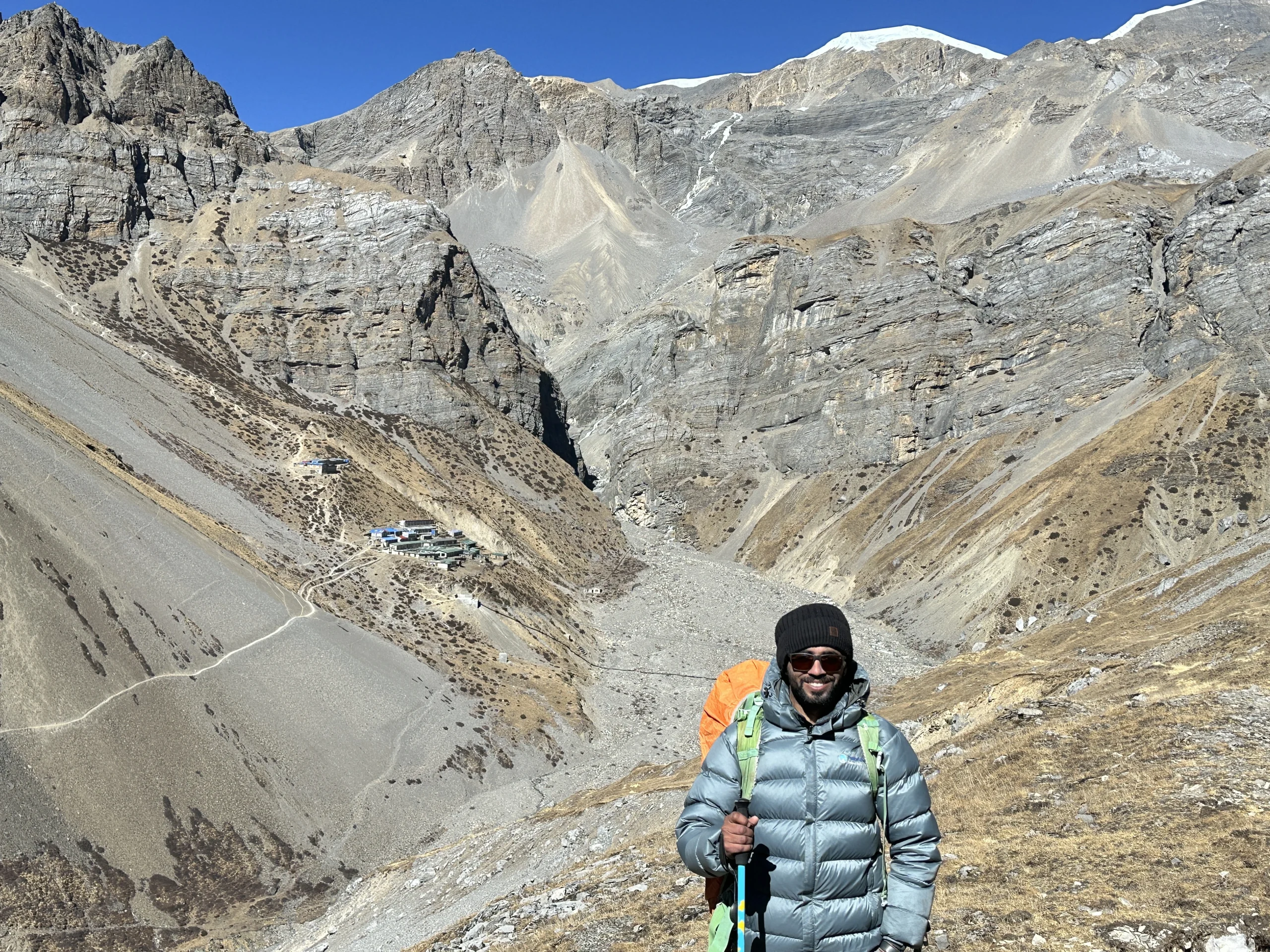
One of the most popular trekking trails in the world is the Annapurna Circuit Trek. It is located in the beautiful Himalayas of Nepal and offers spectacular views of mountains, deep valleys, and ancient villages. Trekking will expose trekkers to various cultures, landscapes, and climates along the trail, making the Annapurna hike very special.
Although trekking to the Annapurna Circuit sounds beautiful, it is not as easy as you think. Everyday long hours of walking, physical demands, high altitudes, and sudden weather changes can make the Annapurna Circuit a moderately challenging trek. For this reason, before participating, we must understand the difficulty level and prepare accordingly.
Here, you will learn the key difficulties of the Annapurna Circuit Trek in a simplified manner. You will also know what to expect on the Annapurna trail and how to prepare. With this knowledge, you can make your trip comfortable, safe, and memorable.
Overview of the Annapurna Circuit Trek
Annapurna Circuit Trek is a classic trekking adventure, very popular in the Annapurna Region. The distant view of the breathtaking landscape and mountain range will leave you in awe. This trek is famous for its beauty, difficulty, and diverse landscape.
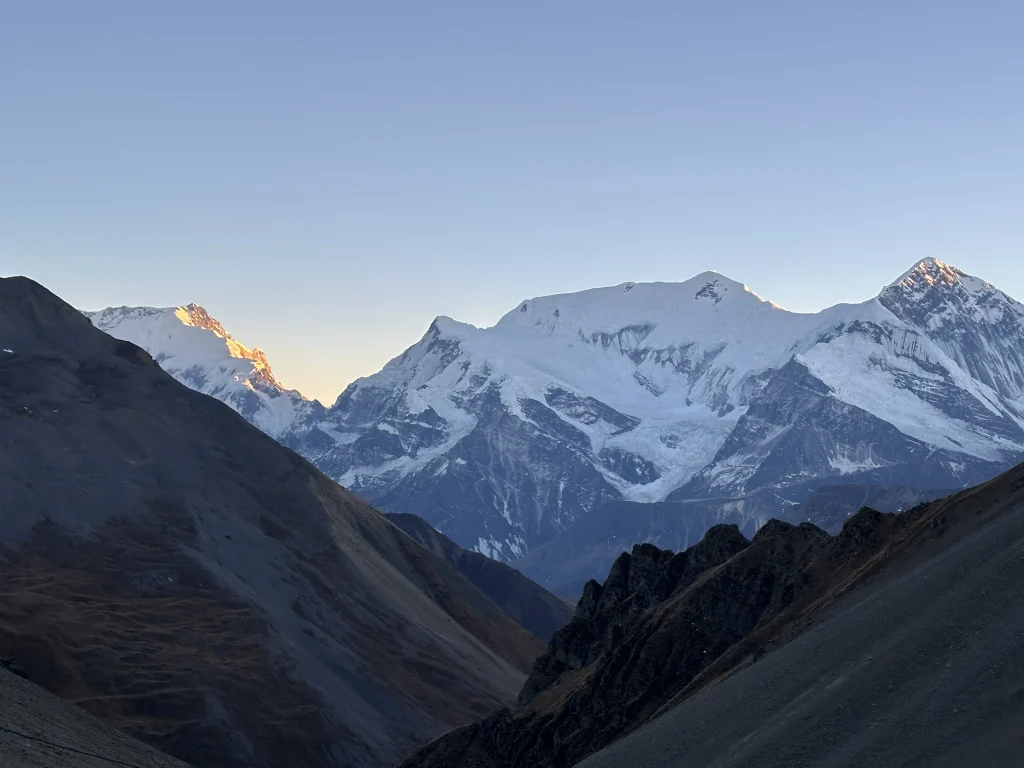
The full Annapurna Circuit covers around 230 kilometers and usually takes 14 to 21 days to complete. It takes you to an altitude above 5,000 meters, and you will reach Thorong La Pass(5,416 m)- the highest mountain pass in the world. From here, you can see the spectacular scenes of the Annapurna mountain range.
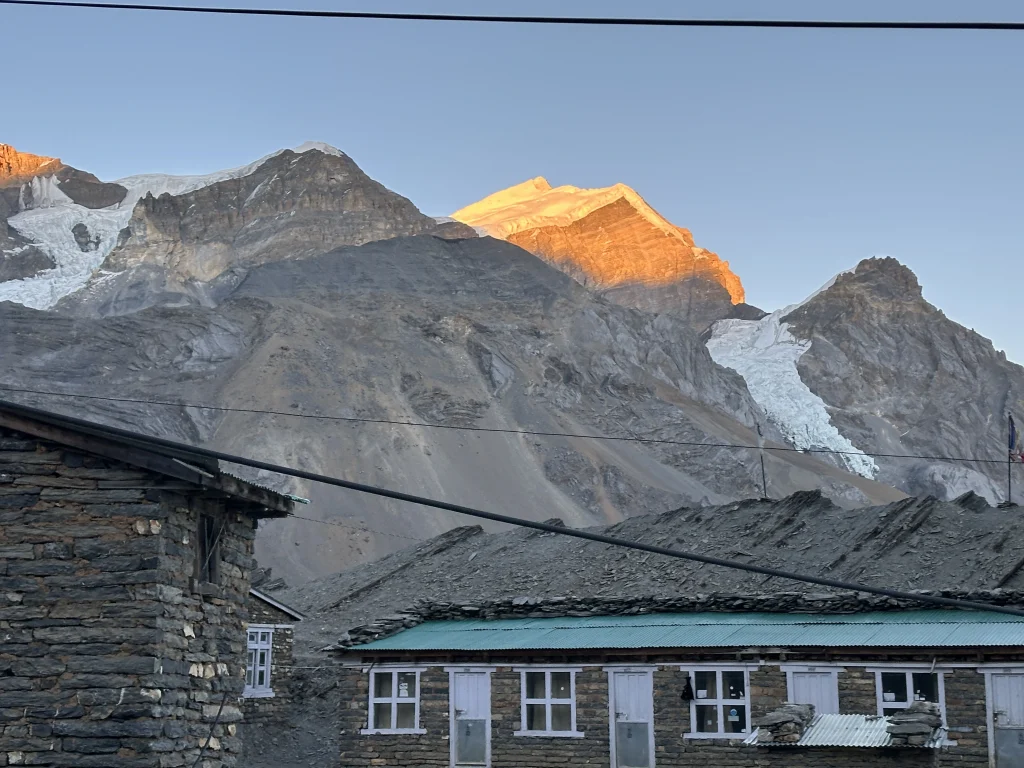
The landscape changes daily as you ascend to higher altitudes. You will pass through the green valleys and the dry highlands, rivers and the traditional villages. The adventure also provides an opportunity to get acquainted with Nepal’s local culture and lifestyle. The locals you will meet on the trails are friendly and generous.
Animals such as the Himalayan tahr, the blue sheep, and numerous bird species can also be seen on the trekking routes. The combination of the snow-peaked mountains, small villages, and expansive mountain scenery makes this hike really unique.
The Annapurna Circuit Trek has been a global trekking attraction since the 1970s. It is trendy because it offers adventure, culture, and the beauty of nature all in one journey. This trek will be a good experience and one to remember, whether you are an expert trekker or a novice, with proper preparation in the Himalayas.
Physical Challenges of the Annapurna Circuit Trek
The Annapurna Circuit Trek is a wonderful experience, but one should be aware of the physical difficulties. The expedition requires proper fitness since one walks long hours on the mountain paths. It also demands mental power to overcome the altitude, weather and tough days.
Terrain Difficulties:
There are numerous types of terrain on the Annapurna Circuit Trek. There will be steep downhill and uphill paths, uneven roads, and rivers on your path. The path passes through steep mountains, forests, and small traditional villages, and the terrain changes regularly.
The steep uphill and downhill climbs are exhausting, especially with a heavy backpack on your back. Walking on uneven surfaces and stones can be challenging and may cause one to slip. River crossings can be quite thrilling, but they require extra care and attention to stay safe.
To overcome these terrain difficulties, it’s crucial to:
- Use the best-quality, most comfortable trekking boots.
- Use trekking poles for support and balance.
- Take a break to recover energy and stay hydrated.
- Avoid shortcuts and follow only marked trails.
Altitude Sickness:
The Annapurna Circuit Trek is located at high altitudes, with the highest point at Thorong La Pass (5,416m/17,770ft). Altitude sickness, or Acute Mountain Sickness (AMS), is one of the possible dangers for trekkers when reaching high altitude. AMS may cause headaches, nausea, fatigue and shortness of breath and in severe cases may result in life-threatening conditions.
To minimize the risk of altitude sickness:
- Walk at your own pace by taking short steps.
- Carry reusable water bottles and drink regularly.
- Avoid overexertion and take regular breaks
- Check oxygen level with an oximeter
- Monitor your health conditions all the time
- If you catch AMS, inform your trekking guide immediately.
- Avoid taking unnecessary risks.
- Take altitude sickness medicine, Diamox (acetazolamide), before heading out on the trip.
Weather Conditions:
Himalayan weather is unpredictable and can change rapidly. The temperature range may vary widely, with nights freezing and days hot and humid. Rain and snow may make the trail slippery and increase the likelihood of avalanches and landslides.
To prepare for unpredictable weather:
- Pack layer clothing
- Wear a waterproof and windproof jacket.
- Cary crampons if you are trekking in winter.
- Check the forecast beforehand and during the trek.
- Be prepared for the emergency
- Carry a first aid kit with you.
Physical Demands
The Annapurna Circuit Trek is a physically challenging endeavor that requires good cardiovascular fitness, muscle strength, and mental fortitude. Trekking activities will last 5-7 hours a day, cover up to 20 km (12 miles), and feature an elevation gain of up to 1,000 meters (3,300 feet).
To ensure a successful and enjoyable trek:
- Train at least 2-3 weeks in advance to build endurance.
- Maintain a good life by eating healthy food.
- Pack lightly and avoid carrying unnecessary items.
- Listen to your body and take rest days when needed.
Technical Challenges of the Annapurna Circuit Trek
The Annapurna Circuit Trek is known as one of the most breathtaking treks, with spectacular views and rich culture, yet it also features technical difficulties. Trekkers have to be ready to face evolving terrain, weather, and natural dangers. These issues are significant to understand how to manage them and enjoy a safe trek.
Navigation and Route-Finding:
The Annapurna Circuit traverses remote, high-altitude regions where clear paths are not always easy to find. Landslides, erosion, or seasonal weather may alter the paths. Route finding is particularly significant at Thorong La Pass, where the trail may be covered by snow.
For this reason, trekkers must be vigilant and keenly aware of landmarks. It is a good idea to hire a local guide who is familiar with the landscape and weather conditions to help you stay on the correct route without putting yourself in danger.
River Crossings and Bridge Safety:
The Annapurna Circuit Trek involves numerous river crossings, including the Marsyangdi and the Kali Gandaki. Water levels may rise rapidly during the monsoon season or on summer days. There are many simple bridges built of wood or stone, so they are not always strong.
Trekking poles will help trekkers maintain balance before crossing the bridge, which requires careful inspection. When crossing a river, wear waterproof clothing and heavy shoes, and walk slowly on wet rocks. The assistance of a local guide is quite beneficial, as they are aware of the safest spots and times to cross the rivers.
Potential Risks:
The mountain environment in the Annapurna Circuit is unpredictable and dangerous. Trekkers might also experience rockfalls and landslides, particularly after heavy rainfall, which may block the trail or make it hazardous. Trekkers should be cautious, watch for loose rocks, monitor weather conditions, and maintain a safe distance from sharp edges.
Animal sightings are rare, but creatures such as wild boars and leopards can be found in the neighborhood. Don’t go near the wildlife and do as your guide says so that nothing goes wrong.
Mental and Emotional Challenges of the Annapurna Circuit Trek
Psychological Factors: Fear, Anxiety, and Motivation
Annapurna Circuit Trek not only makes you physically exhausted but can also be mentally challenging if you don’t prepare physically and emotionally. Fear, stress, and a loss of motivation may arise due to high altitude, long days of walking, and weather changes, particularly for first-time trekkers.
Mental preparation tips:
- Know your walking limits and learn when to take a rest.
- If you are beginner trekkers, don’t follow experienced trekkers; walk at your own pace.
- Focus on small goals, like reaching the next village
- Support and encourage each other with fellow trekkers
- Trust your guide and stay positive
- Customize the itinerary if needed.
Cultural and Social Challenges: Connection and Isolation
The Annapurna Circuit passes through isolated villages, including Gurung and Manang, home to Tibetan-origin people, which adds a cultural touch. Different customs and language barriers might be difficult initially.
Tips for cultural and social preparation:
- Learn a few Nepali phrases so you can communicate more effectively.
- Respect local customs and wear appropriate dress that will not offend local people.
- Chat and share stories with locals, guides or fellow trekkers to make your trek more interesting.
Is the Annapurna Circuit Trek Suitable for Beginners
Although the Annapurna Circuit Trek presents some challenges, it is suitable for beginners who are willing to prepare and adapt. Beginner trekkers should not underestimate the physical demands of this trek. With proper training, acclimatisation, logistical support, and guidance from a reputable trekking agency, we have already seen thousands of beginner trekkers complete this trek.
Tips for Beginners:
- Train beforehand: Maintain physical fitness by training daily for 2-3 months before departure.
- Acclimatize: Learn acclimatization tips and preventive measures to avoid altitude sickness during the trek.
- Choose a reputable guide or agency: If you are a beginner, consult a trekking agency for support and guidance.
- Pack wisely: Bring essential gear, including comfortable hiking boots, layers, and a first-aid kit.
Be flexible: Add a rest/buffer day to the itinerary for unforeseen circumstances such as changing weather or trail closures.
Preparation and Training for the Annapurna Circuit Trek
If you are an experienced trekker, the Annapurna Circuit trek will not be tough for you. But for those who are trekking for the first time or beginner trekkers with their first high-altitude experience, we recommend you follow these tips:
- Physical conditioning: Do exercises that increase cardiovascular endurance, build strength, and increase flexibility.
- Mental preparation: Set goals, build motivation, and develop coping strategies
Logistics and planning: Obtain all the required permits, gear, and accommodations - Manage budget: To make your journey stress-free, book the Annapurna Circuit trek through a reputable trekking company and manage your budget accordingly.
Compared to Other Popular Treks in Nepal
Let’s check what makes the Annapurna Circuit trek unique from other popular treks in Nepal:
| Trek | Max Elevation | Trek Duration | Technical Demands | Altitude Sickness Risk |
| Annapurna Circuit Trek | 5,416 m (Thorong La) | 14‑21 days (full circuit) | Long ascents, steep descents, occasional rope‑bridge crossings | Moderate‑high (Thorong La is the critical point) |
| Everest Base Camp Trek | 5,364 m (base camp) | 12‑14 days | Steady climb, occasional icy sections, limited rescue options | High (long days above 5,000 m) |
| Langtang Valley Trek | 4,773 m(Kyanjin Ri) | 7‑9 days | Gentle gradients, well‑marked paths | Low‑moderate |
| Manaslu Circuit Trek | 5,160 m (Larkya La) | 18‑20 days | Rocky sections, fewer bridges, remote | Moderate‑high |
| Upper Mustang Trek | 3,800 m (Lo-Manthan) | 9‑11 days | Mostly gradual ascents, but altitude still a factor | Low‑moderate |
Final Conclusion
The Annapurna Circuit Trek is a must-visit destination in Nepal. It’s a journey that demands both physical and mental fitness from the trekkers. To address the challenge, you must prepare in advance and get yourself fit for the trek. These treks help you to grow physically and mentally. The beauty of the scenery that you will enjoy during the Annapurna Circuit trek is unspeakable in words. So you must visit by yourself.
Note: If you are planning to do the Annapurna Circuit trek, you can also check our 13-Day Annapurna Circuit trek and 8 Days Short Annapurna Circuit Trek Package. Book now with us, and let us guide you to make this trip a success.
Frequently Asked Questions(FAQs)
How challenging is the Annapurna Circuit Trek?
The Annapurna Circuit Trek is a moderately difficult trek, which demands a high degree of physical fitness and mental preparation. This is because the trek is done on irregular terrain, steep slopes, and at high elevations. Therefore is a challenging experience, especially for inexperienced trekkers.
What is the highest altitude reached on the Annapurna Circuit Trek?
Thorong La Pass is 5,416 meters (17,770 feet) high and is the highest point on the Annapurna Circuit Trek. Additionally, it is one of the highest mountain passes in the world.
How long does the Annapurna Circuit Trek take to complete?
On average, trekkers can complete the Annapurna Circuit trek within 14-16 days. But the route taken, walking pace, side trips, acclimatisation days, and the itinerary you choose also affect the overall duration of the trip.
What are the most challenging sections of the Annapurna Circuit Trek?
The most challenging part of the Annapurna Circuit Trek is the steep climb to Thorong La Pass. To reach this mountain pass, trekkers need a fair degree of physical conditioning, mental stamina, and trekking equipment.
Do I need prior trekking experience to complete the Annapurna Circuit Trek?
Even though previous trekking experience is not required, it is strongly advised. The Annapurna Circuit Trek requires walking on rough terrain, traversing isolated areas, and experiencing exposed weather conditions; an understanding of trekking methods is important.
How do I prepare physically for the Annapurna Circuit Trek?
Physical training for the Annapurna Circuit Trek should begin at least 2-3 months before the trek. This involves cardio work like running, biking, or swimming, and strength training to increase endurance and duration.
What are the risks associated with the Annapurna Circuit Trek?
The threats on the Annapurna Circuit Trek include altitude sickness, falls or slips, and extreme weather conditions. There is also the danger of landslides, floods, and snowstorms, all of which are life-threatening.
Should I hire a guide or porter for the Annapurna Circuit Trek?
Yes, it is possible to hire a local guide or a porter for the Annapurna Circuit Trek. It is, in fact, advisable, particularly when you are a first-time or beginner trekker who has no prior experience in trekking. The trek can be supported by guides and porters, who can help a lot and provide the right direction.
What is the best time to attempt the Annapurna Circuit Trek?
Spring (March to May) and autumn (September to mid-November) are the most favorable seasons to take the Annapurna Circuit Trek because the weather is stable and mild at these times of the year. During rainy seasons (June to August) and winter (December to February), one should not go trekking because the weather is unpredictable and dangerous.
What kind of gear and equipment do I need for the Annapurna Circuit Trek?
For the Annapurna Circuit Trek, hiking boots, trekking poles, a waterproof jacket, warm clothing, a first-aid kit, and a backpack containing basic items like food, water, and a map will be required. Also, ask yourself whether you would consider hiring a porter/guide to assist with gear carrying and to help you find your way.
Posted on