

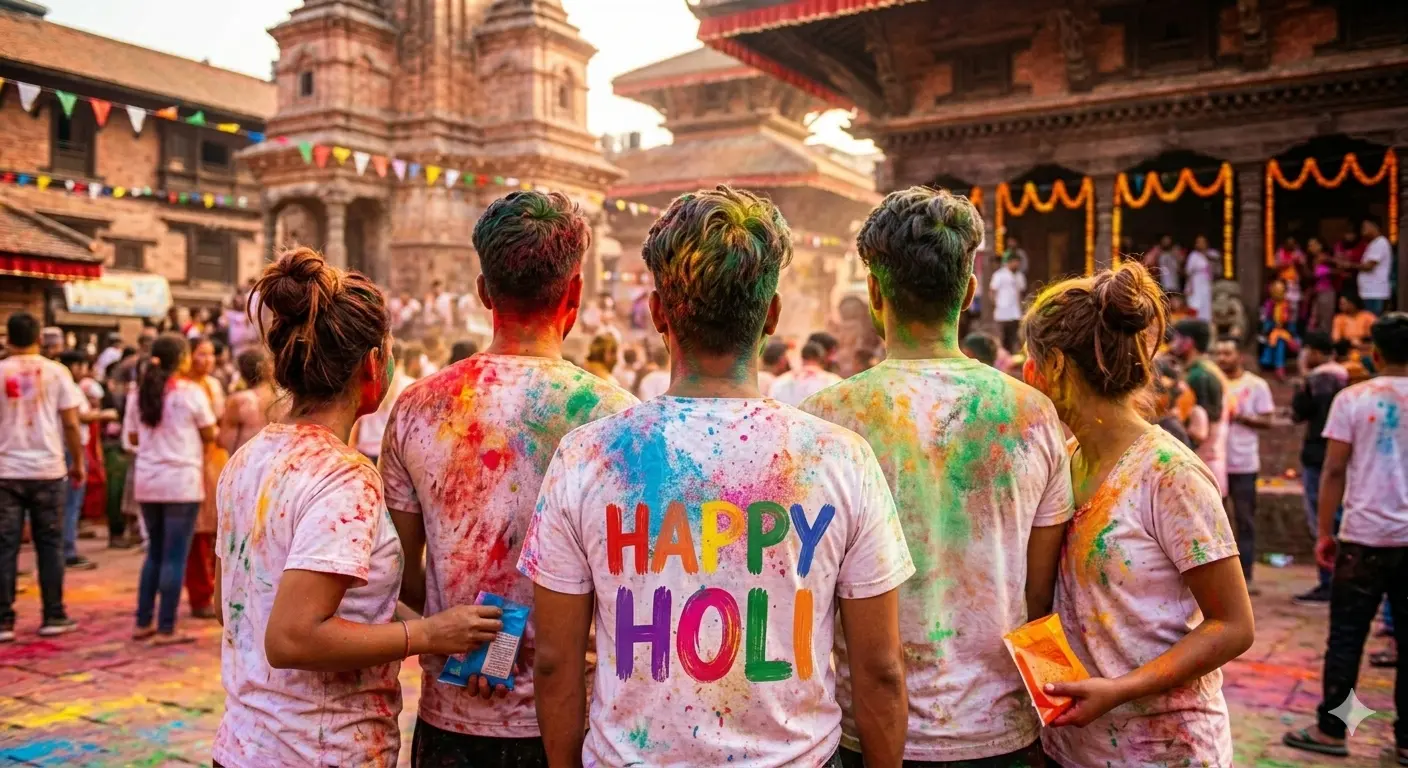
Holi is known as the “Festival of Colors.” Nepal is one of the most vibrant and joyful festivals celebrated in Nepal, falling in March. It marks the arrival of spring and carries deep cultural and religious significance. Holi brings people together through colors. “music kinds and celebrations.
Holi Festival basically turns every street corner into a massive, colorful party where people dance. People throw colored powders, dance to traditional and different Nepal andkind music,of music,music style,and enjoy festive foods. This festival is celebrated in both urban and rural areas, through their own kindsstyle music,very widely. In urban areas, the streets are filled with massive crowds, energetic music,music highlightand organized events like concerts. In rural areas, towns and villages style,highlightrituals,s traditional customs, music,rituals friendship,and gatherings that reflect local heritage. Beyond the fun and excitement, Holi is a time to celebrate love, highlightfriendship “Festivaland unity.
Importance of Holi Festival in Nepal
In Nepal, Holi Festival is the heartbeat of culture. On this day, social barriers like age, caste, and wealth disappear. Everyone is equal when they are covered in colors. It is a festival of unity. It reminds us that no matter who we are, we are connected by love and happiness. This festival is important because it breaks down the walls between us. Covered in Red, Blue, Yellow powder, we all look the same. It is a powerful day of peace where love and unity take center stage.
History of Holi Festival
The origin of Holi are rooted in mythology, particularly the story of Prahlada and Holika. According to legend, Prahlada was a devoted follower of lord Vishnu. His father, who opposed his faith, attempted to punish him. He made a plan to burn Prahlada in a fire with the help of his sister Holika. Nevertheless, Prahlada remained unharmed due to divine protection, while Holika was destroyed. This story shows that good always wins over evil.
Another part of Holi’s history involves the stories of Lord Krishna, who used to playfully applied colors on Radha and other villagers and it became powerful symbol of love and equality. So when you see the colors flying in the streets everywhere you are actually joining in a story about bravery, faith, and a lot of love. For centuries, Holi has been Nepal’s way to saying goodbye to winter and welcoming the arrival of spring. It’s an ancient tradition that started with farmers celebrating new growth and praying for a good crops. So while it’s a religious holiday, it’s also just a giant community celebration of nature and life.
Traditions and Celebrations of Holi Festival
Holi celebrations begin with Holika Dahan; the lighting of bonfires symbolizes the destruction of evil. On the main day, people throw colored powders and water at one another, accompanied by music, singing, and dancing.
Traditional foods and sweets are prepared and shared during the festival. Holi is also a time for forgiveness and strengthening social bonds, as people come together regardless of age or background. In Nepal, Holi is celebrated on two different days depending on where you are. In Hills, people celebrate Holi first on the actual moon day, also known as Fagu Purnima. In Terai, people celebrate Holi a day later. This happens because of different local calendars and traditions, but it’s great because it basically turns the festival into a two-day national party.
Every year in Kathmandu, the fun starts when they put up a giant bamboo pole called Chir in Basantapur Durbar Square. It is covered in colored strips of cloth that wave in the wind, and it is basically a big sign to everyone that Holi is finally here. It stands there for a week, and then, the night before the big color fight, everyone gathers to watch it burn in a massive bonfire. It is meant to show that good always wins over evil.
Holi Colors and Their Meanings
When we play Holi, we aren’t just throwing colors; we are sharing a feeling. Each story tells a little story about our lives:
- Red: This is the color of love. It’s the common color you will see because it represents that they are sharing a blessing of warmth and deep affection with you. It is the color of our flag and our national flower. Using red during Holi is a way to celebrate our pride and our roots.
- Blue: It is most famously linked to Lord Krishna, one of the most beloved gods in Hindu culture. It is the color of the sky, which represents calmness. It is a very deep and quiet color that reminds us to be at peace with ourselves and the world around us.
- Yellow: Yellow is the brightest color. It represents the warmth of the sun and the light of spring. It is also associated with Lord Vishnu, who represents knowledge and wisdom. It is the color of good crops that there will be plenty of food for everyone in the coming year.
Traditional Foods and Drinks of Holi Festival
Honestly, you can’t celebrate Holi on an empty stomach. After running around the streets of Kathmandu, Pokhara, and Bhaktapur, there is a special kind of “Holi hunger” that only our traditional snacks can fix.
- Sel Roti: This is the king of Nepali festivals. It’s a crispy, ring-shaped, deep-fried rice bread. The best way to eat it is when it’s still warm, dipped into a hot cup of milk tea. It’s an ultimate comfort breakfast.
- Gujiya: They are crunchy on the outside and filled with sweet milk solids and nuts on the inside. Everyone has their own secret recipe to make it, and they are so addictive you can’t just eat one.
- Malpua: They are sweet, tiny, oily, and delicious foods soaked in sugar syrup. It is exactly what we need when our energy is low from all dancing. It’s actually one of the oldest desserts. It’s most famous as Holi snacks paired with a hot cup of milk tea.
Best Places to Celebrate Holi Festival in Nepal
Holi is celebrated all over Nepal, but some places are particularly popular:
- Basantapur Durbar Square, Kathmandu: It is the most famous spot in Kathmandu to celebrate Holi. Everyone gathers there to throw colors and have fun with friends.
- Bhaktapur: People gather in the old square to share colors and enjoy the city’s famous sweet curd.
- Lakeside, Pokhara: Tourists and locals join together for huge concerts and color fights with beautiful mountains in the background.
- Thamel, Kathmandu: It is a perfect spot for tourists to experience Holi in Nepal. They can join the colorful street celebrations and dance to festive music.
If you want to celebrate the Holi festival and go trekking in Nepal, you can get in touch with our Peaceful Nepal Trek and Tours.
Holi Festival Dates (2026/2027/2028)
Holi, the vibrant “ Festival of colors” is celebrated across two days in Nepal, depending on geography. It is celebrated on the Full moon day known as Fagu Purnima in Hilly regions and exactly one day later in Terai region.
| Year | Region | Nepali Date | English Date |
|---|---|---|---|
| 2026 | Hilly Region | Falgun 18, 2082 | March 2, 2026 |
| 2026 | Terai Region | Falgun 19, 2082 | March 3, 2026 |
| 2027 | Hilly Region | Chaitra 7, 2083 | March 22, 2027 |
| 2027 | Terai Region | Chaitra 8, 2083 | March 22, 2027 |
| 2028 | Hilly Region | Falgun 27, 2084 | March 10, 2028 |
| 2028 | Terai Region | Falgun 28, 2084 | March 11, 2028 |
Fun and Safety Tips for Holi Festival in Nepal
- Protect your skin by rubbing coconut oil so the colors wash off easily later.
- Wear your oldest clothes and sunglasses to protect your eyes.
- Keep your phone and purse by putting them in a zip-lock bag to stay dry from water balloons.
- Use natural colors.
- Maintain personal safety in crowded places.
- Be respectful of other people’s space and ask before throwing colors and water balloons on anyone.
- Plan your day in advance in busy areas like Thamel, Basantapur, and Lakeside to feel safe and enjoy more.
Environmental Impact and Responsible Celebration of Holi Festival
Holi is a beautiful mess, but it can be tough on our environment. By making a few small changes, we can protect Nepal’s environment and keep our cities clean for everyone. Here is how we can celebrate while staying kind to earth and our neighbors:
- Choose skin-friendly colors: Instead of using harsh chemicals, we can use organic colors made from turmeric or flower petals. It’s much easier to wash off, and it won’t irritate your skin or pollute your neighborhood.
- Keep it dry: Water is a precious resource in March. A dry Holi with just precious colors is just as fun, and we also save thousands of liters of water.
- Watch the Animals: Our street animals don’t understand the festivals. Colors can burn their skin and eyes. So, let’s just keep the party for humans and leave animals on their own peace.
- Skip the Plastic: Those water balloons called “lolas” are fun for a second, but they leave all our streets covered in rubber that never goes away.
- Ask first: Not everyone wants to be covered in color. Most of the people have allergies to colors, or maybe they are going for some important events or interviews. So, always check with someone before joining them in the celebration.
- Clean Up Your Spot: After playing Holi, don’t forget to clean up your spot. If we all just take five minutes to pick up our trash, our beautiful cities stay clean.
Conclusion
Holi in Nepal is way more than a festival. It’s a massive celebration of culture and a massive victory of good over evil. Whether you’re in the busy streets of Kathmandu, Bhaktapur, or by the lake in Pokhara, it’s an unforgettable experience that brings everyone together. It’s messy and loud, but it’s the best way to feel the true spirit of Nepali people. It reflects not only the richness of Nepalese culture but also a universal value of love, joy, and connection. Holi brings people together regardless of age, social status, or background. Once the red, blue, and yellow colors start flying, you can’t tell who is rich or who is poor or who is a stranger or who is a friend. This is what unity really looks like. It is a day where we forget our differences and just show support to one another with a big smile and a hug. It shows we are all just one big family celebrating the same joy of life.
Holi has a significant impact on tourism and the local economy in Nepal. Every year, the festival attracts many international visitors who travel to cities like Kathmandu, Bhaktapur, and Pokhara to join the celebrations. The arrival of tourists benefits hotels, restaurants, shops, and street vendors selling colors, foods, and festive items. Cultural programs, music performances, and guided Holi events also provide opportunities for performers, artists, and supporting the creative economy.
Frequently Asked Questions (FAQs)
1. What is Holi and why is it celebrated? Holi is known as festival of colors. It marks the arrival of spring.
People use this festival to forgive, forget past misunderstandings and make bond stronger with family and friends.
2. What is Holika Dahan?
Holika Dahan is the bonfire ritual performed on the eve of Holi. It symbolizes the triumph of good over evil and is a key religious tradition.
3. When is Holi celebrated in Nepal?
Holi usually falls in March depending on the lunar calender. It is celebrated in two different days depending on where you are. In 2026, the dates are
- March 2 [Monday]: This is for Hilly regions including Kathmandu and Pokhara.
- March 3 [Tuesday]: This is for Terai regions including Chitwan and Janakpur.
4. What is the story behind Holi?
The festival comes from the Legends of Prahlada and Holika and also Krishna and Radha. It is a mix of two beautiful stories. The first one is about Prahlada and Holika, which teaches us the goodness will always win over evil. And another is about Krishna and Radha, which show that love make us all equal.
5. Can tourists join Holi?
Yes ! Tourists are allowed to join the fun. It is a best way to experience Nepali culture and see how unity brings everyone together as one big family.
6. What should visitors know?
Wear old clothes, use safe colors, protect your eyes, and keep your valuables safe. Don’t forgot to rub some coconut oil on your skin and hair. Always ask for permission before splashing colors on someone.
Posted on