

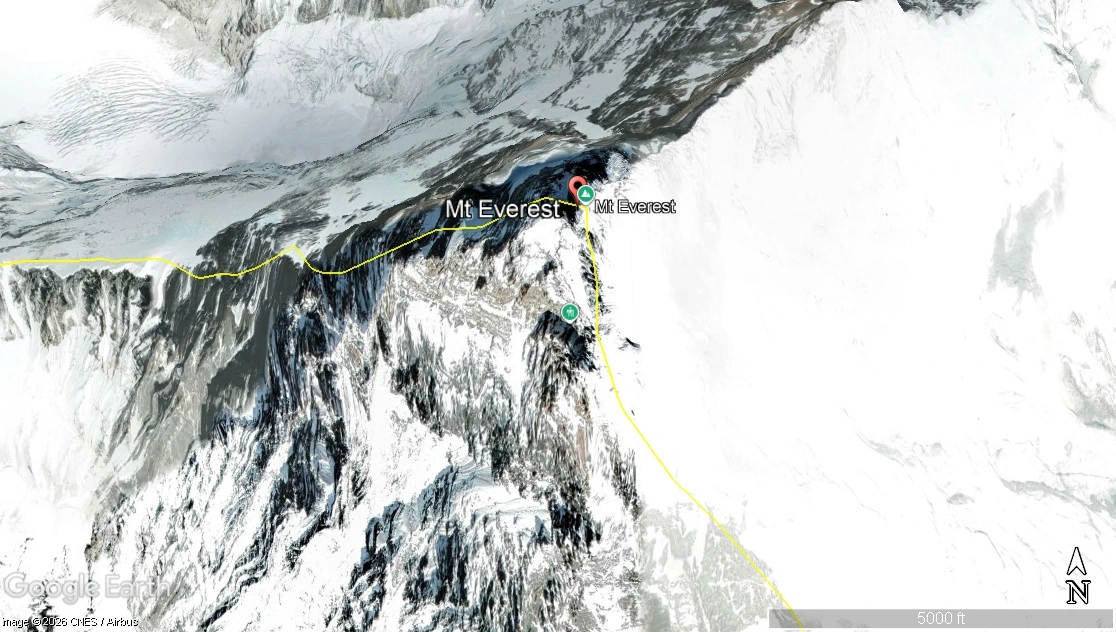
.Imagine standing just a few hundred feet from the top of the world. You have spent thousands of dollars, trained relentlessly for years, and pushed your body to the absolute brink. Through frozen goggles, you can see the summit ridge of Mount Everest. But you check your watch, and it says 2:05 PM.
Do you keep pushing for glory, or do you turn back?
For high-altitude mountaineers, the answer should always be to turn around. This strict boundary is known as the “2 PM Rule,” and it is one of the most critical safety protocols in mountaineering. Ignoring this rule has led to some of the most tragic disasters in Everest’s history.
This post explores exactly what the 2 PM rule on Mount Everest entails. We will look at why it exists, the terrifying dangers of descending late, and how this simple time limit serves as an ultimate lifeline for climbers.
What is the 2 PM Rule?
The 2 PM rule is a mandatory turnaround time established by expedition leaders and experienced guides. It states that if a climber has not reached the summit of Mount Everest by 2:00 PM on summit day, they must immediately abandon their ascent and turn back to camp.
This rule is absolute. It does not matter if the summit is an hour away or ten minutes away. When the clock strikes two, the upward journey ends.
Climbing Everest usually involves starting the summit push in the middle of the night, often around midnight or 1:00 AM from Camp IV. This early start gives climbers roughly 12 to 14 hours to reach the 29,032-foot peak. The goal is to summit by late morning or midday, leaving enough daylight to navigate the perilous descent.
Setting a turnaround time creates a clear, objective boundary in an environment where cognitive function severely declines. It removes the guesswork and provides a hard stop that helps climbers survive.
Why the 2 PM Rule Exists
The rule does not exist to ruin a climber’s dream. It exists because the upper reaches of Mount Everest operate under entirely different physical and atmospheric laws. At 8,000 meters (26,247 feet) and above, climbers enter the “Death Zone.”
In the Death Zone, there is not enough oxygen to sustain human life. Your body literally begins to die the moment you enter it. Every minute spent above this altitude increases the risk of high-altitude pulmonary edema (HAPE), high-altitude cerebral edema (HACE), and severe frostbite.
The Unpredictable Afternoon Weather
Mountain weather follows a specific daily pattern, and Everest is no exception. Mornings typically offer the clearest skies and the calmest winds. However, as the sun heats the surrounding valleys, warm air rises and collides with the freezing upper atmosphere.
By mid-afternoon, this collision often triggers massive storms. Clouds roll in rapidly, dropping visibility to zero. Winds can accelerate to hurricane force, blowing snow across the ridges and dropping the wind chill to unimaginable depths. A clear, sunny summit push can turn into a deadly whiteout in a matter of minutes.
If a climber reaches the summit after 2 PM, they almost certainly guarantee they will be climbing down through one of these brutal afternoon storms.
The Hidden Dangers of a Late Descent
Getting to the top is only half the journey. In fact, most mountaineers will tell you that the summit is just the halfway point. A staggering majority of accidents and fatalities on Mount Everest occur on the descent.
When you push past the 2 PM turnaround time, you multiply the risks of an already dangerous descent.
Extreme Exhaustion and Hypoxia
Summiting Everest requires a superhuman level of endurance. By the time a climber reaches the top, they have burned thousands of calories and pushed their muscles to complete failure. If they delay their descent, they risk collapsing from sheer exhaustion.
Coupled with hypoxia—oxygen deprivation—this exhaustion becomes deadly. Hypoxia impairs judgment, slows reaction times, and makes climbers clumsy. On a mountain where one missed step means a fatal fall, clumsiness is a death sentence.
Running Out of Supplemental Oxygen
Expeditions meticulously calculate oxygen supplies. Climbers carry a specific number of oxygen cylinders, mathematically timed to get them up and down the mountain.
If a climber pushes past 2 PM, they stretch their oxygen supply beyond its limits. Running out of supplemental oxygen in the Death Zone leads to a rapid loss of consciousness and warmth. Without oxygen, the body cannot generate enough heat to fight off the extreme cold, leading to severe frostbite and hypothermia.
Navigating the Death Zone in the Dark
Descending Mount Everest requires intense focus. Climbers must rappel down steep ice faces, cross narrow ridges, and unclip and reclip their safety harnesses onto fixed ropes. Doing this while exhausted is incredibly hard. Doing it in the pitch black is nearly impossible.
A late summit means a nighttime descent. While climbers wear headlamps, the beams only illuminate a few feet of blowing snow. Navigating treacherous sections like the Hillary Step or the Balcony in total darkness dramatically increases the chance of slipping, getting lost, or stepping off the route entirely.
Summit Fever: The Ultimate Mental Challenge
If the 2 PM rule is so logical, why do people break it? The answer lies in a psychological phenomenon known as “summit fever.”
Summit fever is an overwhelming, irrational drive to reach the peak at all costs. When a climber has invested years of their life and immense financial resources into a single goal, walking away feels like failure. As they get closer to the top, the brain rationalizes away the danger. The climber convinces themselves they can move just a little bit faster, or that the weather will hold out just a little bit longer.
Coupled with the brain fog caused by low oxygen, summit fever clouds a climber’s judgment. They lose sight of the ultimate goal: returning home alive. The 2 PM turnaround time acts as a crucial anchor to reality. It overrides the irrational, oxygen-starved brain with a pre-established, non-negotiable rule.
How the Turnaround Time Saves Lives
History provides brutal lessons about the importance of turnaround times. When you study the great tragedies of Everest, a common thread emerges: climbers ignoring their turnaround times.
When groups push to the summit late in the afternoon, they encounter traffic jams on the ropes, run out of oxygen, and get caught in sudden blizzards. They find themselves stranded high on the mountain as darkness falls, leading to catastrophic rescue attempts where even more lives are put at risk.
Conversely, climbers who respect the rule survive to climb another day. Making the agonizing choice to turn back at 28,000 feet requires immense courage and discipline. It is a true test of a mountaineer’s character. The mountain will always be there next year, but you only get one life.
Preparing for Your Own Adventures
The principles behind the 2 PM rule apply far beyond the slopes of Mount Everest. Whether you are tackling a local 14er, hiking a remote wilderness trail, or planning a multi-day backpacking trip, setting strict boundaries keeps you safe.
Here are a few ways you can apply this mountaineering mindset to your own adventures:
- Set a hard turnaround time: Before you hit the trail, decide on a time you will turn back, regardless of how close you are to your destination.
- Study the weather: Understand the local weather patterns. If afternoon storms are common, start your trek earlier to avoid them.
- Respect your limits: Listen to your body. If you feel exhausted or depleted, recognize that pushing forward only multiplies your risk on the return journey.
- Communicate your plan: Always let someone back home know your itinerary and your turnaround times.
The 2 PM rule on Mount Everest reminds us that reaching the summit is optional, but returning to the bottom is mandatory. Respect the clock, respect the mountain, and prioritize a safe descent above all else.
FAQ’S
1. What is the 2 PM rule on the Everest Base Camp Trek?
The 2 PM rule is a safety guideline used on Mount Everest, where climbers turn back if they haven’t summited by 2 PM. While it is not strictly applied on the Everest Base Camp trek, a similar idea of setting a turnaround time is recommended for safety.
2. Why is the 2 PM rule so important?
It helps prevent climbers from spending too much time in the dangerous “Death Zone,” where low oxygen levels can quickly become life-threatening.
3. Can climbers still reach the summit after 2 PM?
While it may be physically possible, it is extremely dangerous due to worsening weather, exhaustion, and the risk of descending in darkness.
4. What happens if climbers ignore the 2 PM rule?
Ignoring the rule increases the risk of running out of oxygen, severe fatigue, poor decision-making, and potentially fatal accidents.
5. Does the 2 PM rule apply to other mountains?
Although it is most commonly associated with Mount Everest, the principle of setting a strict turnaround time is important for safety on any mountain or trekking adventure.
Posted on