


The Khumbu, which is the name of the Everest Region, is one of the most recognized places to go trekking at high altitudes. People come hoping to get a close-up look at Mount Everest (Sagarmatha), but there is more to see than simply the Base Camp trail. There are several ways to hike in Sagarmatha National Park, from the well-known classic route to quieter pathways at high altitudes that are hard even for experienced hikers.
This guide gives you clear information about the best treks in the Everest region. The Khumbu provides something for everyone, whether you wish to stand on the iconic Everest Base Camp, explore the serene beauty of blue lakes, or the challenge of crossing three high passes. The mountains are waiting for you.
Foundation of the Journey: Planning and Preparation
Before starting any treks in the Everest region, all the trekkers must know safety tips, the best time, and the permits that they need to obtain. The Everest region is protected under Sagarmatha National Park because of its fragile environment and its UNESCO World Heritage Site status.
To make your journey safe and responsible, make sure to follow these rules and regulations:
When to Go: The Optimal Seasonality
Treks in the Everest region are open all year round. However, due to suitable trekking conditions and the best view, spring( Sep-Nov) and autumn( Mar-May) are considered the best times for trekking in the Everest Region.
Let’s see what you can expect in four different seasons to find out the best time for you.
| Season | Months | Conditions & Suitability | Notes for Trekkers |
| Autumn (Peak) | Late September – November | Stable weather, clear skies, moderate temperatures. Best visibility. | Ideal time. Book flights and accommodation well in advance. |
| Spring (Secondary Peak) | March – May | Warmer temperatures, blooming rhododendrons at lower elevations. Clouds may gather in the afternoon. | Excellent, especially if you prefer warmer days. Perfect for the climbing season atmosphere. |
| Winter | December – February | Extremely cold, heavy snow above 4,000m. | Suitable only for highly experienced trekkers with appropriate gear and insulation. |
| Monsoon | June – Early September | Heavy rain, poor visibility, slippery trails, high risk of flight delays (Lukla). | Least desirable time. Leeches are common at lower altitudes. |
Permits Required for the Khumbu
All the trekkers who want to trek in the Everest region must obtain some specific permits. These permits are checked in places like Lukla, Monjo (at the entrance gate of Sagarmattha National Park), or occasionally in the trekking trails.
The required permits are:
- Sagarmatha National Park Entry Permit.
- Khumbu Pasang Lhamu Rural Municipality Entrance Permit.
Note: Always carry original passports and multiple photocopies of all permits.
The Non-Negotiable Rule: Acclimatization
The primary concern for the trekkers while doing treks in the Everest region is the risk of catching altitude sickness (AMS). For successful trekking, we need to know the acclimatization rule, AMS symptoms, and their preventive measures.
- The Rule of 300: Once we reach 3,000m(10,000 feet), we should not gain elevation more than 300-500m(1,000–1,500 feet) per night.
- Rest Days: There must be rest days included in the Everest region trek itinerary in places like Namche Bazaar (3,440m) and further up, often at Dingboche or Pheriche (4,300m+).
- Hydration: You can reduce the chances of AMS by drinking enough water. So make sure to drink 3-4 liters of water daily and avoid alcohol, caffeine, and tobacco.
- Descent is the Cure: If severe symptoms occur, like persistent headache, nausea, loss of coordination, you need to descend immediately and seek medical help.
Trek 1: The Classic Pilgrimage – Everest Base Camp (EBC)
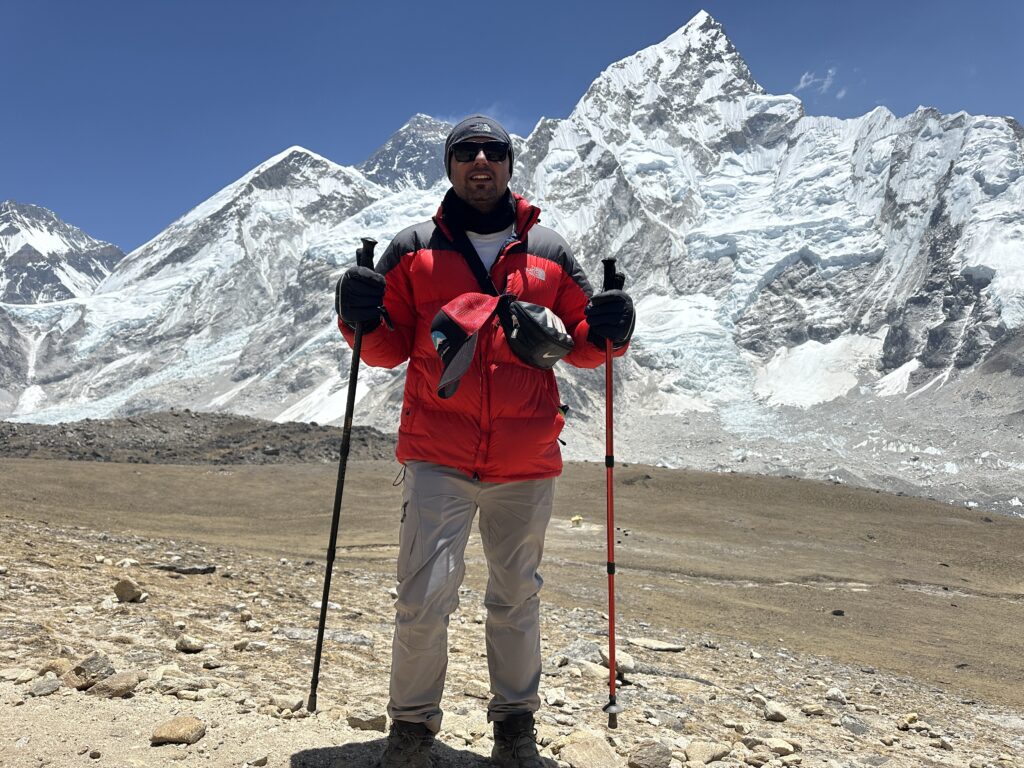
The Everest Base Camp trek in the Everest region is every trekker’s top choice. It is one of the best treks in the world, and it has set the benchmark in the trekking world. All the other treks in the world are compared with the EBC trek due to its legacy and popularity. Everest base camp trek (EBC) takes you directly to the base of the world’s highest mountain in the world, Mt. Everest(8848.86m). Here you will experience a thrilling Lukla Heli ride, land in Tenzing Hillary Airport-worlds dangerous airport, mountain vistas, Sherpa people, and culture.
Route Overview and Key Milestones
The standard EBC takes around 14-15 Days to complete, which often starts with a direct flight to Lukla airport (2,860m) and ends in Kathmandu.
Day 1–4: Ascent to the Gateway
After a short flight( around 25-30 minutes) from Kathmandu to Lukla airport in a domestic plane, you will reach Lukla airport. Then you will start your trek in the lower Khumbu, following the Dhudh Koshi River valley
- Lukla to Namche Bazaar (3,440m): The first day of the hike is easy, but the trail gets difficult as you ascend steeply to Namche Bazaar. Namche is the biggest trading center in the Khumbu region and the main Sherpa town.
- Namche Acclimatization: You need a rest day in Namche(3,440 meters), and most trekkers take a short but difficult trip to the Everest View Hotel. You can enjoy the breathtaking view of Everest, Lhotse, and Ama Dablam for the first time from here. For perfect acclimatization, it’s essential to “hike high, sleep low.”
Day 5–8: Spiritual Ascent and High Altitude
The environment changes very quickly as you move higher and leave the tree line. It becomes rocky, open, and alpine.
- Tengboche (3,867m): It has the biggest and most famous Buddhist monastery (named as Tengboche monastery) in the area. The views of Ama Dablam from here are really beautiful.
- Dingboche/Pheriche (4,300m+): This is the second stop you need to make to get adapted to the climate. At this height, the air feels a lot thinner. The Himalayan Rescue Association (HRA) aid post is also in Pheriche. It is an extremely important location for trekkers to get aid.
- Thukla/Lobuche (4,940m): You pass the Thukla Pass Memorial, a meaningful tribute to those who died on Everest, along the way.
Day 9–10: The Summit of the Hike
These are the hardest days, so you need to take your time and be careful.
- Gorak Shep (5,164m): This is the highest village, and it’s where the majority of the climbs start.
- Everest Base Camp (5,364m): The destination. Although the huge Nuptse wall covers the complete view of Everest, the Base Camp is filled with the energy of trekkers and climbers, especially during the climbing season.
- Kala Patthar (5,550m): Kala Patthar, or “Black Rock,” is the best place to take pictures. Most trekkers wake up before dawn to climb it and get clear, wide views of Everest, Lhotse, Nuptse, and the Khumbu Icefall.
Difficulty and Experience Level
The trek to Everest Base Camp appears to be moderate to hard. The hardest part isn’t climbing; it’s staying healthy and keeping up a constant pace at high altitudes for nearly two weeks. The Everest base camp trek can be done by beginner trekkers as well, but they must be physically fit.
Trek 2: The Turquoise Solitude – Gokyo Lakes Trek
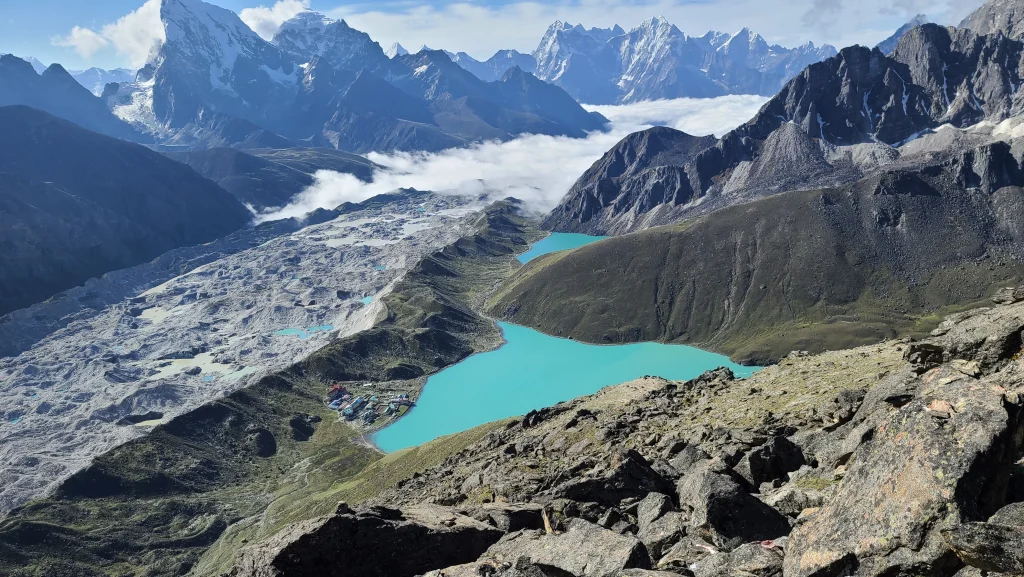
The Gokyo Lakes trek is an excellent choice if you want to enjoy the treks in the Everest region without the crowds like the EBC trail. It takes you to the western part of Khumbu, which is famous for the blue lake located at an altitude of 4,700–5,000 m (15,400–16,400 ft).
The Route: Lateral Valley Exploration
The Gokyo route separates off from the main EBC track shortly beyond Namche Bazaar and heads northwest toward the Ngozumpa Glacier, which is the biggest glacier in Nepal.
Key Differences from EBC:
- Reduced Traffic: The trail is less crowded, especially after the Cho La or Three Passes route separates out.
- Focus on Scenery: The main attraction is the group of six holy lakes located near the Gokoy village, such as First Lake, Second Lake (Taochho), and Third Lake (Dudh Pokhari).
- Alternative Everest View: Gokyo Ri (5,357m) usually has a better view than Kala Patthar. It gives you a clear, wide-angle panorama of four 8,000-meter peaks: Everest, Lhotse, Makalu, and Cho Oyu.
Trek Summary
The trail goes up a steep hill towards Dole and Machhermo after leaving Namche. It follows a valley that was made by melting glaciers.
- Gokyo Village (4,790m): This village is attractively located close to the Third Lake (Dudh Pokhari) and is the starting point for climbing Gokyo Ri.
- The Fifth Lake (Ngozumpa Tsho): It is an optional day trek that is quite rewarding. It gives you great close-up views of the Ngozumpa Glacier and the gigantic Cho Oyu (8,201m).
Difficulty and Experience Level
The Gokyo Lakes trek is rated Moderate to Difficult. The daily walking distances are about the same as the EBC trek, but the path is more remote, which makes planning and getting support slower. Trekkers need to have an arrangement of their gear and learn how to deal with living at a high altitude.
Trek 3: The Ultimate Challenge – Everest Three Passes Trek
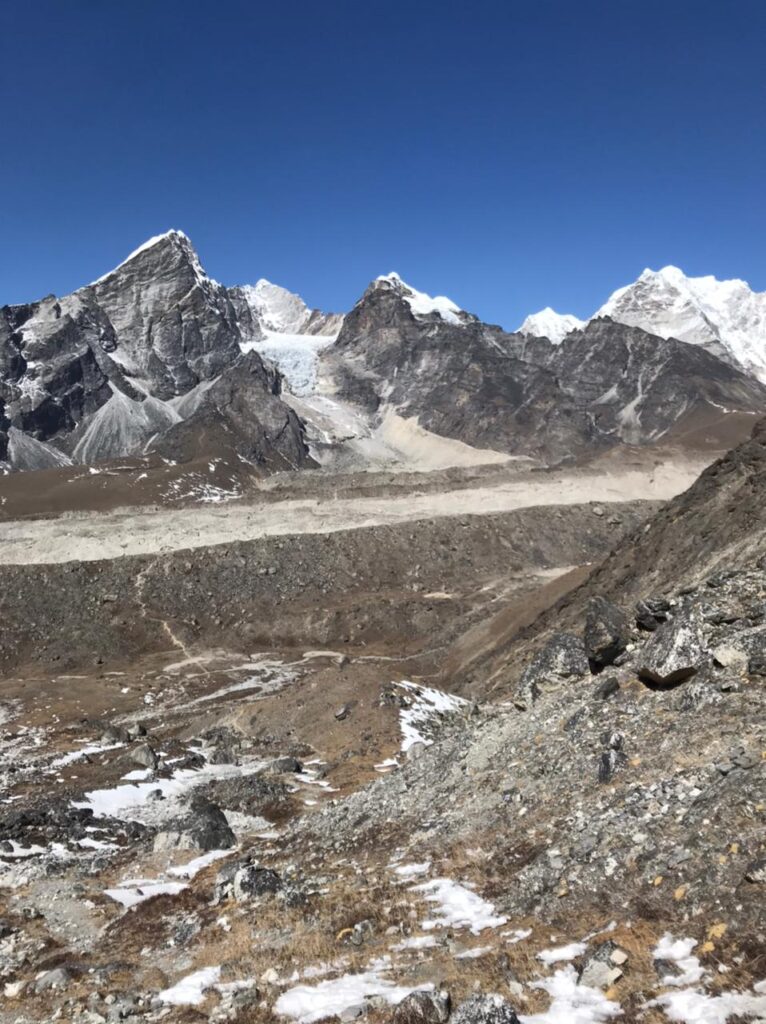
If EBC is the classic trip and Gokyo is the stunning route, then the Three Passes Trek is the most adventurous trek. It is one of the hardest treks in the Everest region because it connects the EBC, Gokyo, and Chhukhung valleys through three tough mountain routes.
Everest 3 Pass trek demands a good level of fitness and test strength from the trekkers. It has some technical sections, so trekkers must have previous high-altitude trekking experience to participate in this trek. Trekkers will be exposed to a high altitude environment above 5,000m for multiple days.
Navigating the Passes (The Order of Assault)
1. Renjo La Pass (5,360m)
- The Start: This is usually the first pass, and it connects the Thame valley (west of Namche) or goes through Gokyo.
- Challenge: The ascent from Gokyo is lengthy and hard, so trekkers normally start trekking at dawn. You can see Everest, Lhotse, and Makalu from its highest point.
2. Cho La Pass (5,420m)
- The Crux: This is the hardest of the three passes to get through. It connects the Gokyo valley (Lobuche/Dzongla) to the EBC route (Lobuche).
- The Terrain: now and ice at the top, so you need to be careful with your footing or wear microspikes. Cross early in the morning, before the snow gets softer.
3. Kongma La Pass (5,535m)
- The Highest: This is the tallest and most distant pass that connects the EBC path (Lobuche/Pheriche) to the Chhukhung valley.
- The Route: The track is often hard to see because it goes over rocky moraine and needs a lot of construction. The reward is amazing views of Amphu Lapcha and Island Peak (Imja Tse).
Integrating the Peaks
The Three Passes Trek takes you to the best parts of the Gokyo and EBC routes:
- EBC & Kala Patthar Summit: Most of the time, people climb them between the Cho La and Kongma La passes.
- Gokyo Ri Summit: People often climb it before they cross Renjo La.
Difficulty and Experience Level
- Rating: Hard / Very Hard.
- Commitment: 18 to 20 days of hiking.
- Skills Needed: Knowing how to use micro-spikes, walk on icy ground, and walk long distances on rocky ground that isn’t solid.
- Logistics: On some days, passes need to be travele depending on the weather. Flexibility is crucial, as there is no easy way out once you are between two passes.
Specialized and Alternative Treks
Apart from the “Big Three” trek in the Everest region, there are other treks here that you can choose depending upon your budget, duration, and trekking experience.
4. Mera Peak and Island Peak Expeditions (Trekking Peaks)
For trekkers who desire to experience beginner-level mountaineering, the Khumbu has several “trekking peaks.” These demand basic climbing skills with ropes, crampons, and an ice axe, but not advanced technical climbing.
- Mera Peak (6,476m): In the Hinku valley (reachable by flight via Lukla or Phaplu), it offers one of the outstanding 360-degree vistas in Nepal, including five 8,000m peaks. The climb is not technically difficult but needs very good fitness and experience of high altitude trek.
- Island Peak (Imja Tse, 6,189m): In Chhukhung valley, often combined with the EBC trek. The climb involves crossing a glacier, using fixed ropes, and climbing a headwall. It’s a great step before attempting a bigger mountain expedition.
5. Lower Solu Khumbu and the Jiri Route
Before there was an airport in Lukla, the EBC trekking journey usually started in Jiri, which is commonly called “The Gateway to Everest.”
- The Route: If you start from Jiri or Phaplu (by road), it will take you 5 to 7 days longer, but your body will get used to the higher altitude better as you start at a lower altitude (about 2,000m).
- Benefits: You don’t have to worry about the dangers of the Lukla flight, and you get to see more of the culture in the lower Sherpa and Rai villages. The routes are calm, beautiful, and known for their thick rhododendron forests.
6. The Comfort Trek: EBC in Luxury
For the professional traveler who demands high standards of comfort and service, several tour operators also offer “Luxury EBC Treks in the Everest Region.”
- Accommodation: Instead of staying in regular teahouses, trekkers stay in high-end lodges like Yeti Mountain Home or other such places. These lodges have heated rooms, private toilets, great food, and better bedding.
- Service: Usually comes with a stronger support staff, private helicopters as a backup, and better-trained professional guides.
- Focus: Shares the same route, peaks, and altitude challenges as the Classic EBC but maximizes rest and recovery comfort.
Critical Logistical Deep Dive: Ensuring Success
For a successful trek in the Everest Region, it is all about 70% preparation and 30% doing what you plan. It’s extremely important to plan in advance before you head for the trip.
A. Guides, Porters, and Safety
Trekking solo is possible, but now, due to the strict solo ban in the Everest region and other high-altitude trekking areas, all trekkers must hire a licensed guide to accompany them. It is for your safety, and it also helps you to gain more insight about the place that you will visit.
- Guides: It’s very important to have a licensed, experienced Sherpa guide, especially on high-altitude hikes like the Three Passes. They take care of your health, make arrangements for teahouses, and can even arrange for helicopter evacuations in case of an emergency.
- Porters: Porters will carry your heavy luggage for you, so all you need is a light daypack with things like water, snacks, and gear. Your operator should follow guidelines to keep porters safe, like not letting them carry too much weight or using the right equipment.
B. Accommodation and Food (The Teahouse System)
All the treks in the Everest Region depend upon the local tea house that offers clean, basic lodging and meals.
- Lodging: Rooms are often shared by two persons, and the walls are thin. The only place with heat is the dining hall, which often comes from a yak dung stove. You will need a sleeping bag that can keep you warm at night in temperatures below -10°C.
- Food: The menu is mostly simple. You can expect mainly Nepali local dishes like Dal Bhat, with a few international options like pasta, noodles, or soups.
C. Lukla Flight Contingencies
The trip to Tenzing-Hillary Airport (Lukla) is famous for its beautiful views, but it often gets delayed or cancelled due to weather.
- The Shift to Ramechhap: Most flights to Lukla now leave from Manthali Airport in Ramechhap, which is about a 4–5 hour drive from Kathmandu. Get ready for this long road trip on the first morning.
- Buffer Days: Plan on having at least two extra days in your Everest region trek itinerary. Flights to and from Lukla are regularly canceled or delayed. These extra days will help you to cover delays and make sure that you catch your international flight on time.
D. Insurance and Medical Preparedness (The Highest Priority)
You need full coverage for high-altitude treks in the Everest Region. Your travel insurance policy must include:
- Altitude Coverage: Your insurance should pay for an emergency helicopter to take you down from heights of up to 6,000 meters (20,000 feet) during an emergency situation. It should also cover medical treatment, hospital stays, flight cancellations, trip cancellations, and delays.
- Medical Kit: Bring Diamox (for AMS, with a doctor’s note), medications for treating blisters, antibiotics for chest or stomach illnesses, and pain relievers.
Comparative Analysis: Choosing Your Trek
Selecting the right trek in the Everest Region depends on how much time you have, how fit you are, and if you want a peaceful or busy route.
| Feature | EBC Classic Trek | Gokyo Lakes Trek | Everest Three Passes |
| Duration | 12–14 days | 14–16 days | 18–20 days |
| Crowd Level | High (especially during peak season) | Moderate/Low | Low (isolated on the passes) |
| Max Elevation | 5,550m (Kala Patthar) | 5,357m (Gokyo Ri) | 5,535m (Kongma La) |
| Technical Difficulty | Non-technical, sustained altitude | Non-technical, sustained altitude | Requires sure footing, possible micro-spikes/crampons |
| Best For | First-time high-altitude trekkers; witnessing expedition culture. | Photographers; those prioritizing scenery and tranquility. | Advanced trekkers; high fitness level; mountaineering ambition. |
| Accommodation | Teahouses are generally larger, with slightly more amenities. | Teahouses are smaller, more basic, and further apart. | Highly isolated teahouses (esp. Dzongla, Thame). |
Responsible Trekking and Cultural Sensitivity
The Sherpa people live in the Everest region. Their culture and traditions are tightly linked to the mountains. Trekkers should take care to leave as little impact as possible.
Respecting Sagarmatha National Park
- Leave No Trace: Take all your non-biodegradable trash (such as plastic and batteries) with you. Do not leave any trash on the trail. A lot of teahouses have filtered water, so utilize that instead of buying throwaway bottles.
- Fires and Fuel: The area around here is quite sensitive. Do not ask for wood fires. Use teahouse stoves that operate on kerosene or yak dung.
Cultural Etiquette
- Mani Walls and Chortens: These stone buildings and prayer wheels, called mani walls and chortens, are holy. Buddhists say you should always pass them on your right (clockwise) side.
- Photography: Before shooting pictures of people, such as old Sherpas, monks, or during devotional rites, ask them first.
- The Sherpa Difference: Sherpas are more than just guides or porters. They are great climbers, very spiritual, and the main reason people come to the Khumbu is to enjoy their rich culture, traditions, and hospitality. Show them respect for their culture and wisdom.
Conclusion: The Call of the Khumbu
A trek in the Everest Region will be an experience you’ll never forget. They need to be careful and plan ahead, and they need to respect the mountains and the Sherpa culture.
Each trip is a chance to learn more about yourself, whether it’s on the busy traditional EBC trail or the calm, glacial splendor of the Three Passes. The Khumbu offers an adventure that is more than just hiking, no matter which route you take. It will be a memory against the world’s highest peaks.
Get ready to enter into the shadow of the great Sagarmatha by making plans now and getting your logistics in order. Peaceful Nepal has many kinds of trekking alternatives to fit your demands if you want to go trekking in the Everest Region. To know more in details please contact us. Thanks for reading!!!!!!