

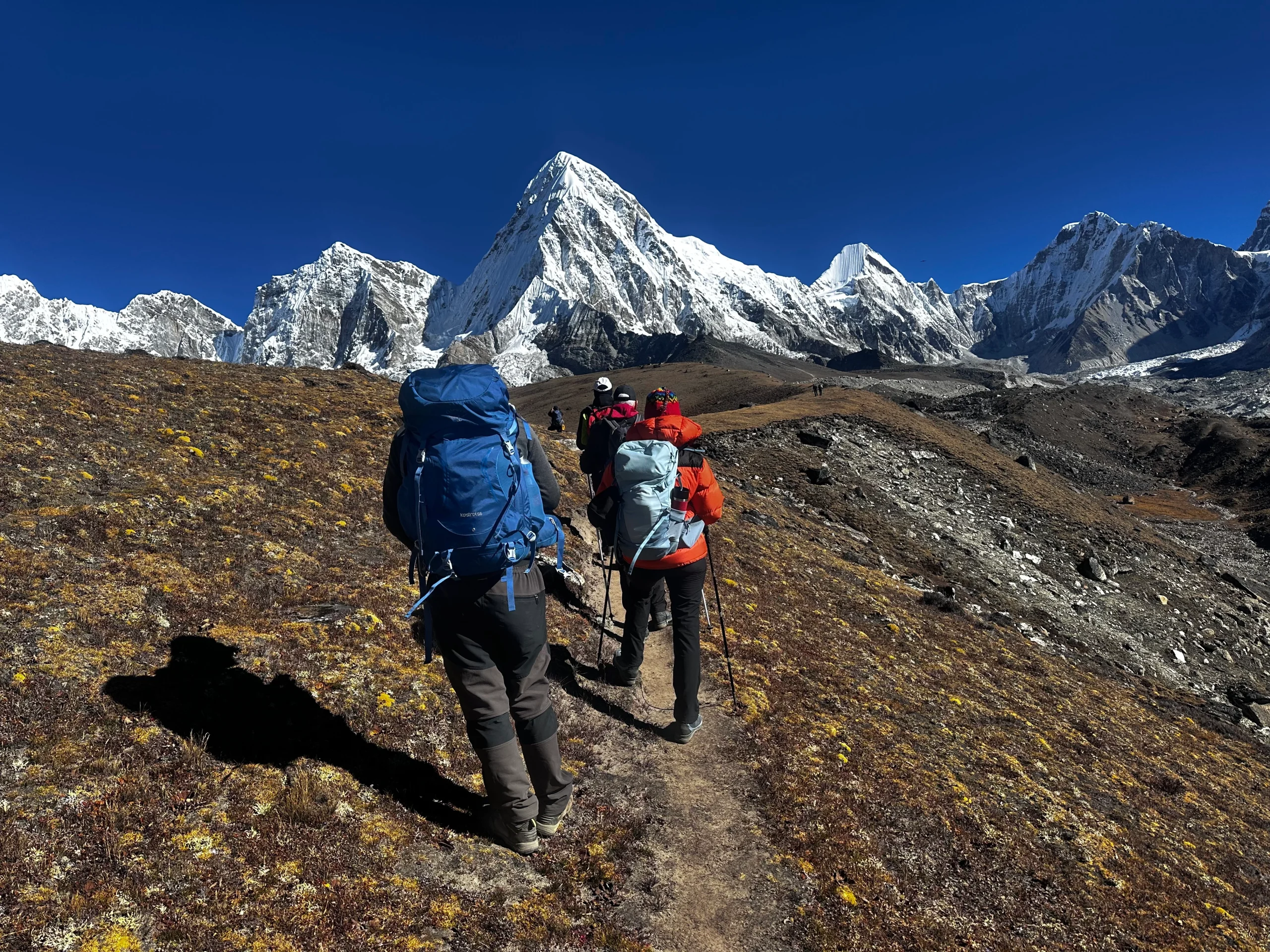
Over 50,000 tourists visit the iconic Everest Base Camp in Nepal annually. But in reality the success rate of the Everest Base Camp trek is over 90%, and a small number of trekkers still face serious challenges along the way.
A bigger question than people often ask before heading for the Everest base camp trek is Everest Base Camp trek really suitable for me?
This serious question matters more than you might think. To complete the Everest base camp trek it takes around 12-14 days. You need to manage the budget, deal with altitude and prepare physically and mentally. If you don’t prepare in advance, even the well planned EBC trip can be tough for you.
The Everest Base camp trek difficulty is graded as moderate to strenuous.The maximum altitude you will reach during this world-famous trek is Everest Base Camp at 5,364 meters. Since you cannot see the view from EBC, people hike to Kala Patthar (5,545 meters), which is actually the highest point of the Everest Base Camp trek. From here you can see the close and best view of Everest including a breathtaking sunrise view.
Even though it sounds tough to you, the good news is EBC trek is manageable for most people with proper preparation, a positive mindset, and guidance from the trekking agency.
Let’s understand in detail about what makes the EBC trek hard.
Core Components That Define the Trek’s Difficulty
Many trekkers assume that the hardest part of Everest base camp trek is walking at high altitude. But there are other factors that make the Everest base camp trek difficult such as trekking duration, trail conditions, unpredictable weather, and overall physical fitness. Each day on the EBC trek you will face a new challenge that will test you both physically and mentally.
Let’s see the factors in detail so that you clearly evaluate the EBC trek challenge level and prepare better for the journey.
Altitude & Acclimatization
The biggest challenge of the trek is gaining elevation as you move closer to Everest Base Camp and beyond. Walking at above altitude of 3,500m you will face the altitude risk such as
- Acute Mountain Sickness (AMS)
- High Altitude Pulmonary Edema (HAPE)
- High Altitude Cerebral Edema (HACE)
Tips to Stay Safe:
- Follow standard Everest Base Camp Trek itinerary which has proper acclimatisation days.
- Follow the rule: climb high, sleep low
- Drink plenty of water and avoid alcohol.
- If possible, get some altitude exposure before the trek
Terrain & Trail Conditions
The Everest Base Camp trail is a mix of dirt paths, rocky sections, stone steps, and sometimes snow or ice. Key tough sections:
- Namche Bazaar to Tengboche (steep climb).
- Dingboche to Lobuche (high‑altitude stretch).
- Lobuche to Gorak Shep (rocky, exposed).
Recommended Gear:
- Wear Comfortable trekking shoes
- Use trekking poles
- Walk carefully in the uneven terrain
Daily Mileage & Elevation Gain
Everyday during the Everest base camp trek you will walk for an average of 5-6 hours and in some days up to 7-8 hours. You will gain an elevation of around 400 to 900 meters per day. Those who are not physically prepared and beginners will find everyday long walks challenging.
Fitness Requirement:
- Before participating make sure you have good stamina for walking.
- Maintain strong legs for uphill and downhill walking.
- Improve Cardio
Weather & Seasonal Variability
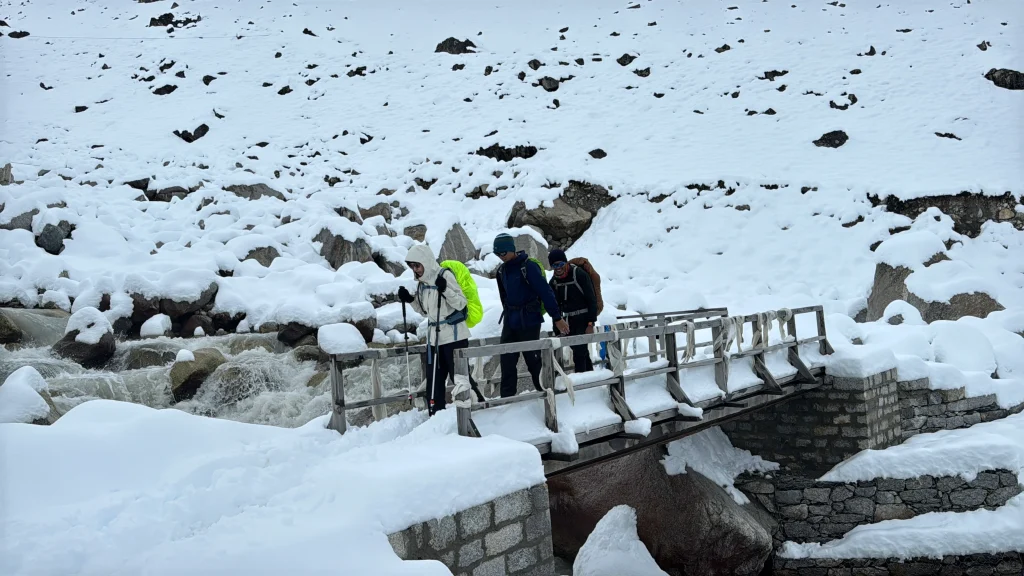
Weather also adds challenges to the EBC trek. If the weather turns bad you need to deal with strong wind, heavy snowfall, chilling temperature, icy and slippery trails. Also due to poor visibility trekkers need to deal with flight cancellation, trip interruption which adds psychological pressure.
How to plan:
- Choose the best time for Everest base camp trek which is the spring and autumn season.
- Purchase travel insurance that cover high altitude risk, injury, emergency evacuation, and flight cancellations.
- Carry enough local cash and be prepared for all weather conditions.
Logistics & Comfort Level
During the Everest base camp trek you will stay in the tea house which is often shared among the travellers. This accommodation provides basic facilities of lodging and food. The facilities might be limited at the high altitude village.
Support options:
- Hire trekking guide and porter with you.
- Don’t exceed your backpack above 5-6 kg.
- Trek in a group and carry all the essentials that you will require such as personal medication.
Common Pitfalls & How to Avoid Them
Learning from the mistakes of the past trekkers is how you avoid the Everest Base Camp trek difficulty. Here are the common mistakes that usually trekkers make during the Everest Base Camp Trek.
Neglection Acute Mountain Sickness
Altitude sickness(AMS) can happen to anyone, even experienced trekkers also. When you catch the AMS you will feel symptoms such as headache, nausea, dizziness, and difficulty in breathing. These early symptoms can be cured when you head to the lower altitude. Take AMS symptoms seriously because if you neglect it, it can be life threatening. You can also take altitude sickness medicine( eg. Diamox) by consulting with the Doctor.
Overpacking
During the guided Everest base camp trek you will stay in a tea house which provides enough facilities to reach the iconic destination and return back safely. So pack only what you require and make your luggage weight to limit so that your porter stays within the limit.
Ignoring the Weather forecast
During the Everest base camp trek if you fail to monitor the weather forecast then it can add trouble. You might experience hypothermia, slippery or lost trails, and dangerous conditions on the EBC trek. So always check Everest weather forecast before and during the trek.
Pushing too fast
Beginners and first time trekkers make this mistake. They often think that they need to walk quickly to reach their destination. Doing this they exhausted quickly and it can also lead to altitude sickness(AMS). So walk slowly and at your own pace by following the acclimatisation plan. Don’t follow a shortcut itinerary, always listen to the instructions of your trekking guide.
Unhydrating
During the trek, trekkers make mistakes by not drinking enough water. Dehydration leads to altitude issues. So carry a water bottle with you and drink enough water to remain hydrated all the time from the start of the trek.
Who Can Successfully Complete the EBC Trek?
| Profile | Typical Preparation | Likelihood of Completion |
| Fit Urban Runner | 4‑6 weeks cardio + strength | High (95 %) |
| Casual Hiker (moderate fitness) | 6‑8 weeks gradual elevation hikes | Good (80‑90 %) |
| Beginner (sedentary) | 3‑4 months progressive training + altitude exposure | Moderate (50‑60 %) |
| Older Trekkers (55+) | Medical clearance, slower pace, extra acclimatization | Good with proper pacing |
| People with Chronic Health Issues | Doctor‑approved plan, possibly supplemental oxygen | Varies – careful risk assessment needed |
Preparing Physically & Mentally For EBC Trek
To overcome the Everest base camp trek difficulty here are some important tips to maintain physical and mental fitness that will help during the trek. You can follow this before heading for the EBC trek.
- Cardiovascular Base: Do cardio exercise such as squat jumps, Jumping Jacks, kickboxing, running the stairs, jumping rope, dancing, jogging etc.
- Leg Strength: To increase stamina and improve leg strength you can do exercise such as mountain climbers, renegade row, goblet squat, side lunges etc.
- Altitude Simulation: To prepare your body for the high altitude you can practise high altitude hiking with a backpack.
- Flexibility: To improve the flexibility you can do morning or evening yoga such as Pigeon, forward fold, Camel pose, boat pose etc.
- Mentality: To prepare mentally we recommend you to learn breathing technique, practise meditation, visualize the trek, set realistic goals, and remain positive.
Real‑World Testimonials
Let’s see what our client Jack from the USA says about the EBC trek difficulty.
I planned the Everest base camp trip on 28 October, 2025. The whole himalayan weather including Everest region turns horrible. There was heavy snowfall due to bad weather conditions. But the team of Peaceful Nepal was patient, supportive and fully experienced. Even during tough times and after certain changes in the itinerary plan I successfully reached the Everest base camp and returned home safely.
Bottom‑Line Verdict – How Difficult Is It?
The overall rating of the Everest base camp difficulty is 3.5 out of 5. Which means it is challenging but absolutely manageable when you prepare ahead and trek with the help of an expert trekking agency. Everest base camp is world famous and most visited trekking destination in Nepal. If you are trekking enthusiast you should definitely visit this place once in your lifetime. If you think it’s hard for you to trek then don’t worry you can also choose the 1 day Everest base camp helicopter tour package. Thanks for reading!!!.
FAQ
Do I need prior mountaineering experience for EBC trek?
No, you don’t need to have the previous mountaineering experience for the EBC trek but having experience will make the trip more comfortable and easier. The main thing that you need to focus on before participating on this trek is that you should have good stamina for walking and good health conditions. As long as you are fit, you don’t have to hesitate to join the beautiful trek.
Can I do the trek in less than 10 days?
Completing the Everest base camp trek is possible in 10 Days but we don’t recommend this for the safety reason. Always follow the standard EBC trek itinerary so that you can have enough time for acclimatisation and enjoy the beauty of Khumbu region without rushing.
Is porter hiring necessary?
When you buy the Everest base camp trek package most agencies include trekking guide and porter at free of cost. We also recommend you to choose the full inclusive package of EBC trek to make your journey hassle free.
What is the safest season for a first‑timer?
As per the weather pattern in Nepal undertaking Everest base camp trek during late Late September to early November is considered a safe season for the first time trekker. But still due to unpredictable weather conditions at high altitude you should check the weather forecast before booking and choosing the departure date.
Do I need to obtain the permit for EBC trek?
Yes, it is mandatory to obtain the Khumbu Pasang Lhamu Rural Municipality Entry Permit ( cost NPR 3,000) and the Sagarmatha National Park Entry Permit (cost NPR 3,000) for this EBC trek. You can obtain the permit from Nepal tourism board in Kathmandu or Lukla or get through the local trekking agency in Nepal.