

Nepal is a great place to be. Welcome to one of the most significant means to enjoy Nepal. This is an adventure followed by purpose, so on this special trip, it is a combination of trekking adventure and a hands-on volunteer experience.
We are offering the Trekking and Volunteer Programme to everyone who wants to have an adventure (good experience), do good (help the underprivileged people) or have a life-altering experience (students). The itinerary will be well-designed to allow you to experience the highest mountains in the world, and yet contribute to the mountain communities in the area.
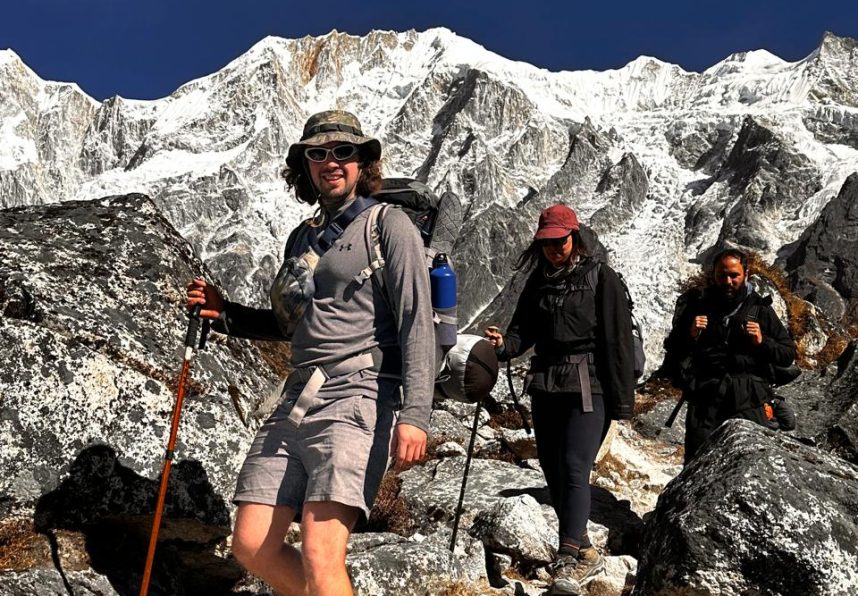
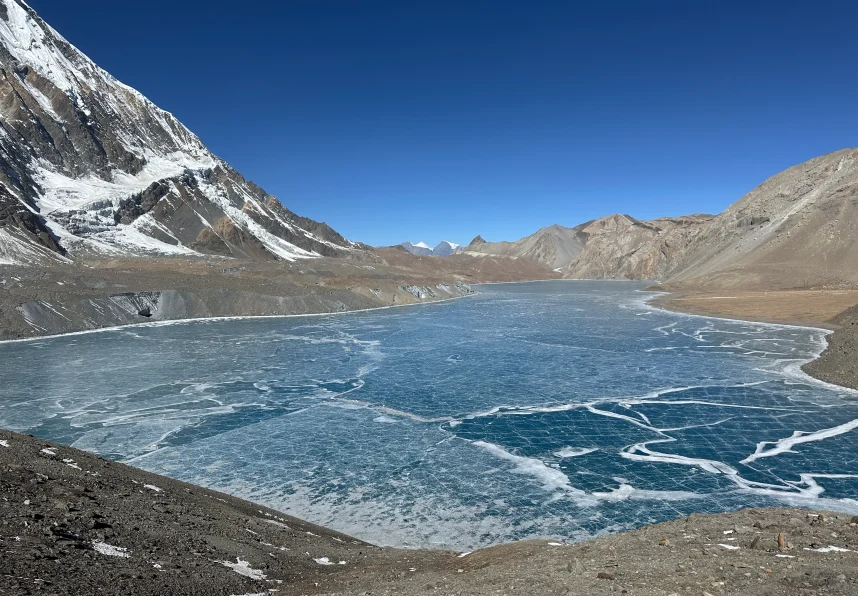
During this trip, you will be walking in the Nepal Himalayan Region. You will pass through traditional villages, terraced farmlands, and scenic valleys. You will also get the opportunity to witness the beautiful landscape and the mesmerizing view of mountain peaks.
On your journey, you are not merely a guest; you are a member of the community. This initiative can enable you to experience the local culture, as well as contribute to the sustainable progress of the rural parts of Nepal.
“I never imagined that a single trip could leave me with both a breathtaking summit view and the feeling that I truly helped shape a community’s future.” – Ananya R., 2023 participant
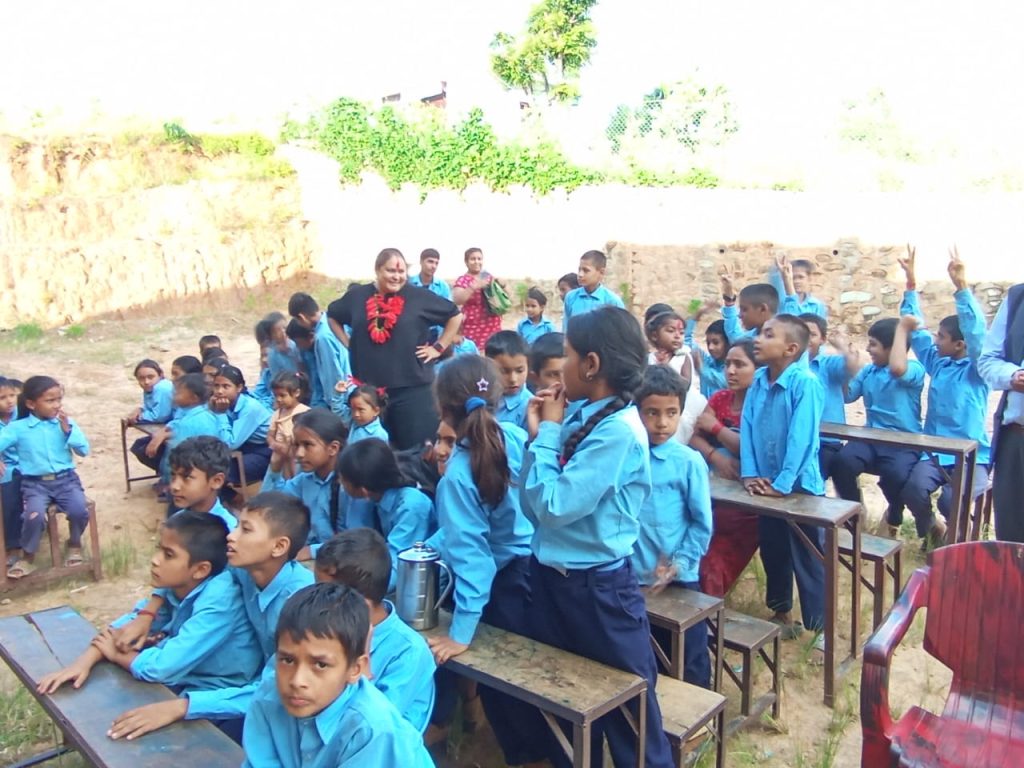
Get involved in valuable volunteering activities- teaching English, helping others in the local schools, helping in environmental conservation and also helping in the building of infrastructure. Your contribution helps empower local communities and leaves a lasting positive impact long after your journey ends.
Hike on UNESCO World Heritage Sites together with some of the most iconic trails in the world, such as the trails in the Annapurna, Everest, and Langtang regions. You may be a seasoned wanderer or a determined amateur, and our trained guides will show you a safe and educational experience.
Travel in olden time teahouses and villages, eat together with local families, and engage with local culture. Get to know the Nepali culture, food and religions of the people who make the mountain their home.
We work directly with rural communities and local NGOs so that your donation would be sustainable and culturally-appropriate. Part of your program fee will be used to fund community-led programs, such as education, access to clean water, and women’s empowerment.
Your safety and comfort, and development are the interests of our skilled trekking guides and program coordinators. You will receive a personalized team throughout your trek and volunteer program for your safety and to have a memorable experience.
The spring (March to May) and autumn (September to November) are the most favourable seasons to trek and volunteer in Nepal. The weather is usually clear with comfortable temperatures, and the mountain views are also the best in these months. Trails are in good condition and not dangerous, and hence suitable for trekking at high altitudes and even visiting villages.
The spring is ideal when you wish to see blooming rhododendrons and green plants, whereas autumn is stable and clear with mountain scenes. There are also easier ways of getting involved in community activities in these seasons, as schools and villages around are busy and open to volunteers.
| Profile | Ideal Fit | Expected Benefits |
| Adventure Seekers | Ages 20‑45, moderate to high fitness, love trekking | Summit achievement, high‑altitude experience, guided safety |
| Social Impact Professionals | NGOs, CSR staff, educators, healthcare workers | Hands‑on project work, network building, measurable impact |
| Students & Recent Graduates | Undergraduate/graduate, gap‑year, service‑learning credit | Skill development, resume booster, cultural competence |
| Retirees & Senior Travelers | Ages 60+, good health, interest in community service | Gentle treks (e.g., Langtang Valley), meaningful volunteer role |
| Corporate Teams | Companies pursuing team‑building or ESG goals | Customized group activities, leadership training, CSR reporting |
Optional Add‑Ons (at an additional cost):
Trekking With Volunteer Programme Highlights
| Day | Activity | Altitude | Highlights |
| 1 | Arrival in Kathmandu – Welcome dinner | 1,400 m | Airport pickup, trek briefing, meet your guide, traditional Nepali dinner |
| 2 | Flight to Lukla (2,860 m) – Trek to Phakding (2,610 m) | 2,610 m | Scenic mountain flight, first day of trekking, Dudh Koshi River views |
| 3 | Trek Phakding → Namche Bazaar (3,440 m) | 3,440 m | Suspension bridges, Sagarmatha National Park entry, first Everest glimpse |
| 4 | Acclimatization day – Everest View (4,620 m) | 4,620 m | Sunrise over Everest, Ama Dablam views, Sherpa culture and museums |
| 5 | Trek Namche → Tengboche (3,870 m) | 3,870 m | Himalayan panoramas, rhododendron forests, Tengboche Monastery visit |
| 6 | Volunteer Placement – Sherpa Education Initiative (Tengboche) | 3,870 m | Classroom support, cultural exchange, community interaction |
| 7 | Trek Tengboche → Dingboche (4,410 m) | 4,410 m | Imja Valley views, alpine landscapes, gradual altitude gain |
| 8 | Acclimatization day in Dingboche – Short hikes for altitude adjustment | 4,410 m | Nangkartshang Peak hike, high-altitude training, mountain photography |
| 9 | Trek from Dingboche to Lobuche (4,940 m) | 4,940 m | Memorials for climbers, glacier views, dramatic mountain scenery |
| 10 | Trek from Lobuche to Gorak Shep (5,164 m) – Visit Everest Base Camp (5,364 m) | 5,164 m | Everest Base Camp experience, Khumbu Icefall views, prayer flags |
| 11 | Hike to Kala Patthar (5,545 m) – Trek down to Pheriche (4,240 m) | 5,545 m | Best sunrise view of Mount Everest, descent for recovery |
| 12 | Trek from Pheriche to Namche Bazaar (3,440 m) | 3,440 m | Easier downhill walk, returning greenery, Sherpa villages |
| 13 | Trek from Namche Bazaar to Lukla (2,860 m) | 2,860 m | Final trekking day, farewell to trail team, celebration evening |
| 14 | Flight Lukla → Kathmandu – City tour | 1,400 m | Scenic return flight, Kathmandu sightseeing, souvenir shopping |
| 15 | Departure | — | Airport transfer, end of the Everest journey |
Our Contact Details
All foreign travellers who want to visit Nepal for volunteer with the Treks Programme in Nepal must obtain the Tourist Visa. You can get the tourist visa in advance or an on-arrival visa after you land here in Tribhuvan International Airport(TIA).
Nepal is one of the safest countries in the world to visit, and most travelers enjoy a smooth and memorable trip. However, if you are visiting here for the high altitude trekking with the Volunteer Programme, having Travel and health insurance is most important.
Your Insurance Policy must cover these things:
Sherpa Education Initiative (SEI) – Focus on primary‑school literacy in the Khumbu region.
Annapurna Women’s Cooperative (AWC) – Empowering female artisans through market linkage.
Langtang Rural Health Center (LRHC) – Providing primary health services and health education.
Trees for Nepal – Community‑based reforestation and carbon‑offset projects.
Gradual ascent: You should walk at your own pace without rushing, especially at altitudes above 3,000m(Namche Bazaar, Manang, or similar)
Daily health checks: Monitor your health conditions all the time. If possible, carry an oximeter to check the oxygen level. Follow acclimatisation tips and take proper rest, and have good sleep at night
Hydration & nutrition: It is essential to remain hydrated and eat healthy food all the time during the trek to remain healthy. Carry electrolyte drinks, high‑energy snacks, and eat balanced meals.
On‑trail medical kit: Carry personal medications including antibiotics, first aid items and portable oxygen.
Emergency evacuation: In the remote region, there is a lack of hospitals and medical facilities, so it is essential to have an emergency helicopter evacuation plan.
Travel insurance: Make sure your travel insurance covers the major things like trekking risk up to 6,000m, emergency medical treatment, flight cancellation, trip cancellation, including helicopter evacuation.
Leave No Trace: To protect the fragile environment, it is everyone’s responsibility to minimize waste and pollution. So throw your waste product only in designated areas.
Plastic reduction: Try to avoid the use of plastic and use reusable products.
Wildlife respect: When entering the forest and National park areas, respect the home of wildlife. Strictly avoid feeding and approaching wildlife.
Dress code: Whenever you visit the sacred sites, such as monasteries and temples of Nepal, make sure to wear the appropriate dress.
Photography etiquette: Respect others’ privacy. Always ask permission before taking pictures of locals and small children.
Language basics: Learn simple Nepali Phrases such as Namaste, Dhanyabaad to greet and show respect to the local people.
If you have high-altitude trekking experience, it will be beneficial for you. Even if you don’t have previous trekking experience, you can choose the volunteer destination that fits your fitness level. You can also prepare with basic fitness training and short hikes before the trip.
You can have veg and non-veg options in the tea house menu, but gluten-free items are limited. If you have any allergies or want to have or special dietary needs, please inform us in advance while booking.
Yes, all foreign nationalities who want to enter Nepal for trekking or volunteer activities must obtain a tourist visa. You can apply for the tourist visa in advance from your home country, or you can get an arrival visa at Tribhuvan International Airport. Nepal Visa Cost USD 30 for 15 Days, USD 50 for 30 Days and USD 125 for 90 Days.
Nepal is popular for tea house treks, so camping is generally not necessary. However, if you wish, you can bring your own pillow, sleeping bag and other trekking gear items.
Before booking the trip, you can tell your interests and skills that you can contribute. Depending upon that, Peaceful Nepal will match the project.
Our trekking guides are trained to handle emergencies. They will make immediate contact with local rescue teams, air‑lift arrangements with licensed helicopters, and coordination with your travel insurance provider.
Yes, we also have the Volunteer Programme and Trek Package that can be done with family. In this type of package, the trek will be short and easy, and small children will get child‑friendly accommodations.
You can participate in afforestation programmes or support local conservation projects, use refillable water bottles, avoid plastic waste, and follow sustainable tourism practices.
You don’t need a separate visa to participate in volunteer work. Having a tourist visa is enough for short-term volunteer treks and community programs.
Absolutely. In Nepal, you can extend your stay by paying the visa fee. Peaceful Nepal will also arrange additional nights in Kathmandu, side treks, or a wildlife safari. Extensions are priced per night based on accommodation type.


If you are looking for travel in Nepal, Bishnu will help you to make your perfect trip plan. He has been working on this industry for more than 10 years