
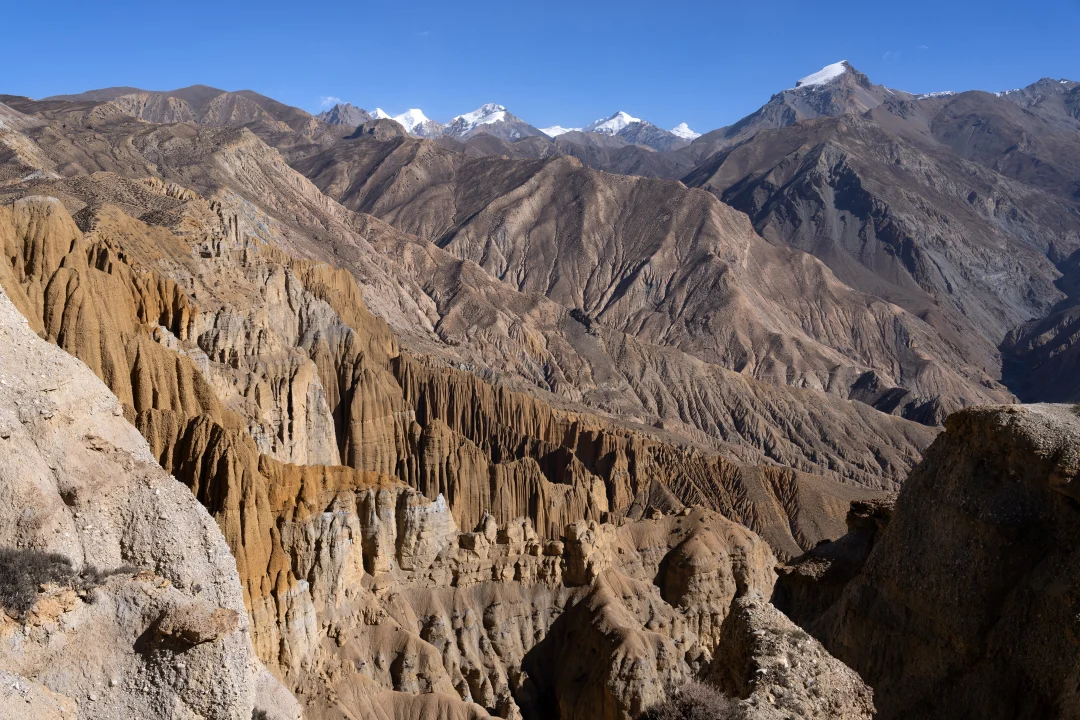
The world has known Nepal as the home of the highest peak of the world, and numerous other wonderful travel spots. However, in addition to the usual mountains and popular trekking routes, there is a secret land that few travelers have an opportunity to visit, and it is Upper Mustang, also called the Last Forbidden Kingdom.
Having been ruled by ancient kings as an independent kingdom, Upper Mustang has mainly remained the same over the centuries. This region used to be closed to foreign visitors until 1992, due to its remote location and a deep cultural heritage. It is also one of the least explored and most secured regions in Nepal even nowadays.
Upper Mustang is one of the best destinations in Nepal for those travelers who desire to observe ancient history, rich culture and timeless lifestyle. The Nepal government has made Upper Mustang a restricted trekking region in order to conserve its history and ancient civilization. This makes the trip more special and exclusive.
For travellers like you, Peaceful Nepal has brought this exclusive 16-Day Upper Mustang Trekking Package. You will visit the land of mystery, dramatic landscapes, and culture that cannot be found in any other place in Nepal. This journey will take you straight to ancient monasteries, villages of Tibetan influence and desert-like landscapes.
Each of the steps that you take on this trek tells about the history, story of the Royal Palace of Lo Manthang, past stories, the religious and traditions and the wonder of natural beauty. The Upper Mustang is one of the most secret and interesting places in Nepal that everyone should visit once in their lifetime when they are in Nepal.
The Upper Mustang Trek is best done in spring (March to May) and autumn (September to November). These seasons are very favorable for trekking due to moderate temperatures, the skies remain clear skies, and longer days are longer. At higher altitudes, temperatures tend to remain between 5 o C to 18 o C, allowing trekkers to explore comfortably. You can enjoy the best view of the mountain ranges and beautiful landscape without any obstruction. Also best photography is possible during this season.
The rainy season (June to August) is not the best season since heavy rains may lead to landslides, flooded rivers, and muddy roads, which make traveling hard. The winter (December to February) is also brutal with extreme cold, strong winds and snowfall, particularly above 2,800 meters. To experience the beauty of Upper Mustang safely and enjoyably, spring and autumn are the two best seasons you can choose to travel.
The Upper Mustang Trek is classified as a moderate level trek in terms of difficulty level due to multi-day hike, high altitude, long trek duration and rugged terrain. This trek demands solid fitness from the trekkers, so we don’t recommend this trek for the first time and beginner trekkers. This trek will be more comfortable and adventurous if you have previous high-altitude trekking experience.
Physical Fitness Required:
On this 16-day Upper Mustang trek, you will be walking 12-16km every day at high altitude, which involves steep ascents and descents. Rough terrain, sandy trail, uneven stone path or loose scree sometimes can give you trouble. Make sure you have good cardiovascular endurance, leg strength, and core stability.
Altitude & Acclimatization:
On these 16 days, the max elevation that you will reach is 3,800m/12,500ft at Lo Manthang. While reaching such a high altitude, altitude sickness can be troublesome for trekkers. So make sure to trek at your own pace, drink water, and take altitude sickness medicine by consulting with a doctor.
Trail Terrain & Sandy storm:
Although there is no technical part, in some sections you need to walk through rocky ledges and navigate narrow ridgelines that can be exposed to wind. Wear windproof clothing items, use sunglasses, a face mask and avoid windy afternoon treks if possible. Also, to protect your skin, use high SPF sunscreen and lip balm.
Weather & Seasonal Considerations:
Upper Mustang Trek is possible to do from May to October. Due to a certain change in weather patterns, some trekkers also do this trek till the end of November. Upper Mustang is a dry region, so if the weather changes and the temperature drops, the trekking will be difficult due to heavy snowfall. So always check the weather conditions before heading for the trip.
Safety, Guides, and Support:
We want to ensure that all our trekkers remain safe during the trek, so we will provide you with a licensed Nepalese Guide and porters. They will read local weather conditions, handle altitude-related symptoms and let you follow local norms and regulations.
Preparation Recommendations:
Before departure from your home country, we suggest all our trekkers prepare for at least 1-2 months by involving themselves in activities such as walking, hiking, stair climbing, etc. Learn an acclimatization plan to reduce AMS and healthy habits like drinking water regularly, eating a balanced diet and proper sleep.
Day 01: Arrival in Kathmandu (1,400 m) and transfer to the hotel.
Day 02: Drive from Kathmandu (1,400 m) to Pokhara (822 m) by Tourist Bus.
Day 03: Fly from Pokhara (822 m) to Jomsom (2,743 m), trek to Kagbeni (2,810 m).
Day 04: Trek from Kagbeni (2,810 m) to Chele (3,050 m).
Day 05: Trek from Chele (3,050 m) to Syangmochen (3,800 m).
Day 06: Trek from Syangmochen (3,800 m) to Dhakmar (3,820 m).
Day 07: Trek from Dhakmar (3,820 m) to Tsarang (3,560 m).
Day 08: Trek from Tsarang (3,560 m) to Lo Manthang (3,840 m).
Day 09: Exploration Day in Lo Manthang (3,840 m).
Day 10: Trek from Lo Manthang (3,840 m) to Yara (3,650 m).
Day 11: Trek from Yara (3,650 m) to Tangye (3,240 m).
Day 12: Trek from Tangye (3,240 m) to Chhusang (2,980 m).
Day 13: Trek from Chhusang (2,980 m) to Jomsom (2,743 m).
Day 14: Fly from Jomsom (2,743 m) to Pokhara (822 m) and explore Pokhara.
Day 15: Drive from Pokhara (822 m) to Kathmandu (1,400 m) by Tourist Bus.
Day 16: Homeward Journey from Kathmandu (1,400 m).
After arriving at the Tribhuvan International Airport(TIA), our staff from Peaceful Nepal will be waiting for you outside the airport. After the meet and greet, we will transfer you to the hotel in the Thamel area. Take a rest, and if you have anything to buy before heading toward the Mustang Region, you can buy from the Thamel streets. Also, there are rental shops for buying the gear items. If you need any assistance, you can tell us, and we will be happy to assist you.
The drive from Kathmandu to Pokhara is around 7- 9 hours on a tourist bus. Therefore, early in the morning, after breakfast in the hotel, we will be there to receive you. We will take a taxi and head toward the Gongabu bus station. From here, we will catch a bus and take a scenic ride via Prithvi Highway. The bus will stop in the middle of the ride for a short tea break, lunch and for the washroom break. Since this is a long ride, we suggest you carry snacks like an orange, noodles, chocolate, etc. After you reach Pokhara, we will take you to the hotel near the Lakeside. The fresh environment with views of Phewa Lake and the Pokhara city lifestyle can be experienced from the Lakeside. Tonight you will spend in Pokhara and get ready for tomorrow's early flight.
The Pokhara to Jomsom flight is dependent upon weather, so to avoid the windy and cloudy weather, you will take an early morning flight. After breakfast in the hotel, we will take you to the Pokhara International Airport. Then from here you will take a short 25 minutes while enjoying the aerial views of Pokhara city, mountain ranges, river, terrace, farmland and tiny village. After you reach Jomsom, which is called the city of wind, you will experience a little bit of a change in temperature. Don't forget to wear windproof clothes. Before starting our first trek, we will fuel our bodies in the nice cozy restaurant. Then, with our team, you will start your first trek toward Kagbeni. Today's walk will be around 3-5 hours on flat terrain following the Kali Gandagi River Valley. Once you reach Kagbeni, you will check into the tea house and spend the night here. Kagbeni village is famous for temples, cultural sites and selfie points.
After breakfast in the early morning at Kagbeni, we will get our backpacks ready and start walking toward the Chele. Kagbeni to Chele distance is around 15.3 kilometers, and today you will walk around 6-7 hours. Following the trail of the eastern bank of the Kali Gandaki River, you will start your journey. On the route, you will pass small settlements such as Tangbe village and trails decorated with Prayer flags, chortens, and mani walls. Then you will arrive at the village located above the Kali Gandaki Valley, Chele. After the warm meal, you will stay overnight here.
After breakfast in Chele tea house, it's another exciting day you will spend in the Upper Mustang. Today, you will enter the remote village of Mustang. Starting your trek from the tea house, enjoying the wide valley of the Kali Gandaki Valley, you will reach the beautiful village of Samar. From here, you will experience a change in scenery. You will witness the narrow gorges and colorful rock formations shaped by strong winds and erosion. Also, prayer flags, chortens, and mani walls can be seen as an influence of strong Buddhist culture in this area. After about 5 to 6 hours of walking, you will reach Syangmochen. Then check into the tea house and spend the night here.
After having breakfast in the Syangmochen, you will walk toward the Dhakmar village. It is often a famous destination for trekkers as they believe that it is one of the most scenic villages in the Upper Mustang region. Walking through the dry and open valley, enjoying the desert-like scenery, you will reach Dhakmar. Here you will see the striking red rock cliffs and dramatic desert scenery. This place has its own history and belief that the red color comes from the blood of a demon defeated by Guru Rinpoche. Then, after exploring, you will check into the tea house and spend the night here.
Today, after breakfast, you will visit Tsarang village, which is renowned for its historical and cultural activities. You will start hiking through the trails surrounded by the red cliffs, eroded hills, and wide open valleys. Crossing the high passes and open plateaus will be a little tougher, but it will be fun and adventurous. Along the route, you will see ancient caves, prayer flags, mani walls, and chortens. Descending through the Tsarang valley and after crossing a river, you will reach the Tsarang Village. Here you will find a five-story monastery and the old royal palace. You will explore and for the memories you will take unlimited photos and videos.
Today, you will reach the main highlights of the Upper Mustang Trek- Lo Manthang. After having breakfast in the tea house, you will ascend through an uphill trail. The landscape will open into a wide, open trans-Himalayan region. Then you will cross a high ride from where you can enjoy the panoramic views of Mustang’s desert terrain, deep valleys, and distant Himalayan peaks. After crossing the ridge, you will walk on a descending trail toward Lo Manthang. While you reach the Lo Manthan, you will witness walled cities, whitewashed houses, and flat-roofed buildings. After you reach, you will check into the tea house and spend the night here.
Today is a rest day in the Lo Manthang to explore this ancient Kingdom. You will get the opportunity to immerse yourself in the local culture and history of the former Kingdom of Lo. You will walk around the village, visit local monasteries, traditional houses, and markets. Also, watching unique Tibetan-style architecture is extra special. Tonight you will spend time here in Lo-Manthan.
Now it's the return journey from Lo Manthan. After breakfast in the tea house, you will leave Lo Manthang and start walking toward Yara. On the route, you will witness wide-open plateaus, dry hills, and rocky landscapes and small traditional villages decorated by mani walls, prayer flags, and chortens. After 5 to 6 hours of walking, you will arrive at Yara. You will check into the tea house and spend the night here.
After breakfast in Yara, you walk to the lower altitude village, and you will notice the altitude starts to decrease gradually. On the route, you will enjoy desert-like scenery and panoramic views of beautiful landscapes and distant views of mountain peaks. After 5-6 hours of walking, you will arrive at Tange, then check into the tea house and stay overnight here.
After breakfast, you will start walking through the Kali Gandaki River Valley. Walking on descent and trail flat walking for around 5 to 6 hours, you will arrive at Chhusang. Then, after having a warm meal, you will spend the night in Chussang tea house.
Today will be your last trek in the Restricted Upper Mustang Region. After breakfast in the tea house, you will head toward the Jomsom village. En route, you will enjoy the dramatic river valley, with towering cliffs, sandy riverbeds and walking for 5-6 hours until you arrive at Jomsom. Finally, after long days of trekking, you will have more variety of menu choices in the tea house. After having a warm meal, you will spend a beautiful night in Jomsom Village.
From Jomsom, you will take a flight to Pokhara. There is no flight from Jomsom to Kathmandu, so we will head to Pokhara. Jomsom to Pokhara flight duration is around 25 minutes. From the flight, you will enjoy the last view of the final glimpse of the Upper Mustang landscapes and the distant view of the Annapurna and Dhaulagiri ranges. Then, after arriving at Pokhara International, we will take you to the Lakeside hotel. You can celebrate by having drinks and a variety of meals in the restaurant. You can also do a spa or body massage to relax after the long, tiring trek in the Upper Mustang.
After breakfast in the morning, it's time for you to head toward Kathmandu city. You will reach the Pokhara buspark which is approximately 2-3 kilometers. Riding for around 6-8 hours, you will arrive around evening. Then from Buspark we will transfer you to the hotel in the Thamel area.
Finally, after spending 15 wonderful days in Nepal, it's time for you to leave for your home. Depending upon your flight schedule, we will transfer you to the airport in our private vehicle. Thanks for making your travel partner and trusting us for your adventure!!!
On this Upper Mustang Trek takes you to visit both city areas and remote villages. In the city areas you can find a wide variety of menu but in the remote areas you will find only basic food items. During the trek, Peaceful Nepal will arrange the meals three times. You will have the option to choose the veg and non-veg options from the menu. Don’t expect international food items during the trek. You will enjoy the Tibetan-style dish in the tea house prepared by the local Tibetan people.
Here is the common dish you can expect:
Breakfast items:
Lunch and Dinner:
After you arrive in Kathmandu, we will book you the 3 star hotel, and you will have complementary breakfast. Inside this hotel, you will get the facilities of WIFi and a hot shower. During the trek, we will arrange for you the best available room in the tea house/lodge. Inside the tea house, you will share a room with fellow travellers. Inside the room, you will get a twin sharing bed with a pillow cover, bedsheet and mattress. You can use the Wifi, and a hot shower( only available in limited places), but you need to pay an extra cost of around USD 1-3.
Note: Trekkers can upgrade the room in Kathmandu, Pokhara and in places like Jomsom by paying additional fees. For this, you need to contact our tour operator to know more in detail.
Since trekking solo is banned in the restricted Upper Mustang, Peaceful Nepal allows group joining. We have a fixed group departure date for the 2026 Upper Mustang Trek. Also, if you have your own group, we provide a special discount on the tour package.
| Group Size | Cost |
| 2 | USD |
| 4-6 | USD |
Upper Mustang is a restricted trekking area. So all the travellers who are travelling for trekking here must obtain the permit. This permit can be obtained only through a registered trekking agency like us. Also, as per the restricted rules, a solo trek is not possible, and you must be in a group of a minimum of 2 people, excluding the trekking Guide. When you book the Mustang trek package with us, we will handle all these permits for you:
Here are the documents we will need to obtain this permits from you:
Here is the top expert advice that will help you prevent altitude sickness on this high-altitude Upper Mustang Trek:
The Upper Mustang has a Tibetan Buddhist soul in each and every place you walk on this trek. They have preserved their culture and traditions from ancient times, and they are handed down from generation to generation. Despite the harsh and arid landscape, they have stuck with their own rules, regulations, culture and lifestyle. Even during this modern era, you can find locals wearing traditional clothing, practicing daily Buddhist rituals, and living a simple life.
One of the biggest festivals that locals of the Mustang Region celebrate is the Tiji festival. This Tiji festival is celebrated every year in the month of May or June. This festival lasts for three days in the Lo Manthan, where monks perform colorful masked dances and pray. 2026 is also a horse year according to the Tibetan Calendar.
|
Tiji Festival |
Date |
|
2026 |
13 May, 14 May, 15 May |
|
2027 |
01 June, 02 June, 03 June |
Wifi: Trekkers can use the Wifi at the tea house, but they will charge you an extra cost for that. Wifi works well in the lower Mustang region, but at higher regions, the Wifi can be spotty and limited.
Hot shower: A hot shower is available in limited places, such as in the lower Mustang region. They will provide you with a hot water bucket for the shower, and for this, you also need to pay an extra cost.
Communication: You can also use the local Sim( Ncell or NTC) to use a mobile internet. For this, you can buy from the airport or an authorized vendor in Thamel. You can use it for communication and using the internet.
Electricity: Trekkers can find the charging spot in the tea house. For your convenience, we suggest carrying a travel adapter, especially if you are travelling here from Europe. For charging also need to pay some extra cost. You can also use powerbank as an alternative.
Jomsom Flight Information: There will be regular flights from Pokhara to Jomsom and Jomsom to Pokhara. The Jomsom flight is weather-dependent, so the chances of flight cancellation or delay are high during the bad weather conditions. Flights often take place early in the morning. We will book the flight for you when you book the package with us. In case of flight cancellation during your travel date, we will arrange a road transfer.
Booking: To confirm your spot, you need to make an advance payment. Also, for the group to join, make sure to contact our tour operator. Once your booking is confirmed, we will send you a confirmation email or contact you directly.
Payment: You can use different payment option to book the trek like:
Cancellation: Before booking the Upper Mustang Trekking Package we request our customer to check our terms and conditions. Advance booking which you will paid 20% during the booking is non-refundable.
Depending on the season you choose to travel to Upper Mustang, we suggest you pack the clothing and gear accordingly. Add some extra warm clothes for sudden weather changes. Also important to keep in mind is to make sure your luggage meets the airline's weight limit.
Here are the common packing list for the Upper Mustang Trek:
The best seasons for the Upper Mustang trekking are spring (March–May) and autumn (September–November). The weather is often predictable during this time with moderate temperatures for trekking. Also, a clear view of the beautiful landscape and distant mountain views makes it worth visiting during this time. Try to avoid the cold winter season and monsoon season for safety reasons.
Yes, you will need a Restricted Area permit and an Annapurna Conservation Area permit for this Upper Mustang trek permit.
Our standard Upper Mustang trek lasts for 16 days; however, you can customise it or do a side trip.
The max altitude that you will reach on the Upper Mustang trail is the Lo-Manthan altitude, which is 3,840 m.
This trek is not suitable for beginners. Having prior high-altitude trekking experience is necessary. If you are beginners, you can choose easy treks in the Himalayas, such as the Langtang Valley trek or the Annapurna Base Camp Trek.
You will encounter sandy, rocky paths, and snow( in winter).
Standard trekking gear is enough for this Upper Mustang trek.
Make sure to ask before taking photographs of local and cultural sites. Wear a dress that will not offend the locals. And while visiting the monastery, walk in a clockwise direction.
The must-see things in the Upper Mustang trek are Muktinath, Lo Manthang, Jomsom, and “Hidden Valley.
Guide and porter are included in our Upper Mustang trek package.
Locals often speak in Nepali and Tibetan. However, the tea house staff understands basic English.
Mobile network and internet are reliable in the lower region villages, but in the higher regions can be slow and not work due to remoteness.
You will stay in the tea house during the Upper Mustang trek.
Peaceful Nepal will provide you with a sleeping bag, but you need to return it after you complete your trek.
Basic Nepali dishes will be provided during the trek. If you have any dietary restrictions, you need to inform us while booking the trek.
Yes, the chances of having altitude sickness are high on this Upper Mustang trek. But we have crafted this itinerary to manage the altitude, and there will be a proper acclimatisation plan. The early warning signs of altitude sickness are headache, vomiting, and tiredness.
A helicopter evacuation plan will be provided, but for this, you should have travel insurance.
Yes, your insurance must cover the high-altitude trekking risk up to 5,000m.
Carry the water bottle by purchasing it from the local shop or tea house. You can also refill the boiling water from the tea house.
Definitely. You can.
If you travel on May 13, 14 or 15 in Upper Mustang, you can enjoy and witness the Tiji festival.


If you are looking for travel in Nepal, Bishnu will help you to make your perfect trip plan. He has been working on this industry for more than 10 years