

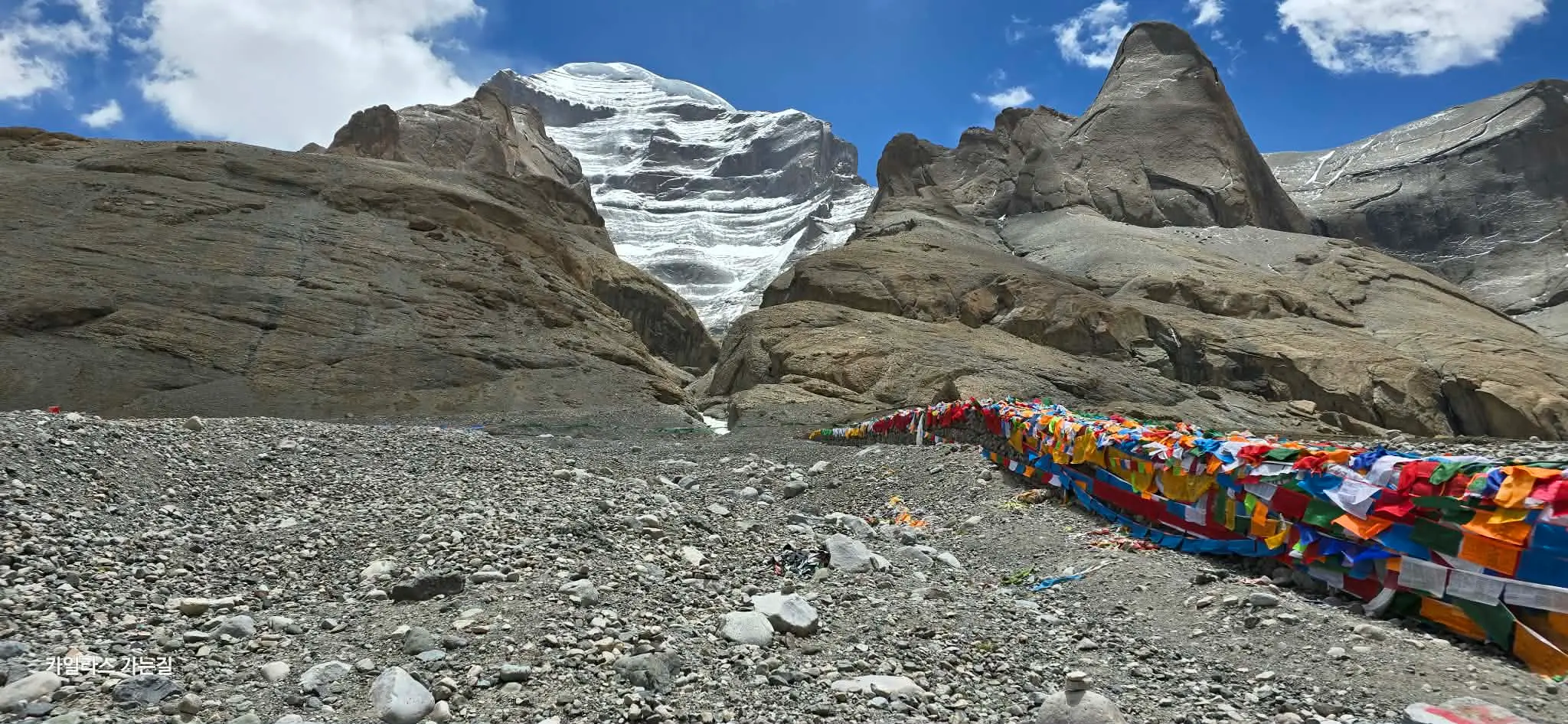
The Kailash Mansarovar Yatra difficulty is classified as a moderate to challenging high altitude pilgrimage trek. The factors that make this Yatra challenging are travel fatigue, extreme altitude, rudimentary infrastructure, language barrier and unpredictable weather. Also, this pilgrimage tour demands a high level of physical and mental fitness and overall good health conditions.
It is one of the most challenging pilgrimages in the world, reaching its highest point at Dolma La Pass (5,630 meters / 18,471 feet). Unlike the regular temple visit, this tour tests both your body and mind.
However, with the right preparation, mindset, proper route selection, and understanding of the unique environmental challenges, a journey to Kailash is achievable.
If you are planning a Kailash tour, whether for the Kailash Kora, to worship Lord Shiva, seek spiritual peace, or experience the beauty of the Himalayas, don’t worry—we’ve got you covered.
Here we answer in detail about the Kailash Yatra- challenge, preparation, route, visa, best time, costs, to make your sacred Kailash journey safe, smooth, and memorable.
The “High” Risk – Understanding Altitude (The Main Difficulty)
Altitude is the most challenging factor because Tibet is located in high altitude with altitude on average of 4,000 to 4,500 meters. 52 Kailash Kora starts from Darchen, which stands at an altitude of approximately 4,670 meters. Then takes you to the highest point of Yatra, which is Dolma La Pass( 5,630 meters).
Why is this harder than other treks? Unlike Everest Base Camp treks, where you gradually walk up over 10 days, the Kailash Yatra often involves flying or driving you to high altitude quickly, leaving little time for acclimatization.
If you catch altitude sickness following health problem arise:
- Headache
- Nausea
- Vomiting
- Loss of appetite (anorexia)
- Dizziness or lightheadedness
- Fatigue
Note: These are the mild symptoms which can be treated with rest and descend to a lower altitude. But if these symptoms start to worsen, it can result in life-threatening conditions like High Altitude Cerebral Edema (HACE) or High Altitude Pulmonary Edema (HAPE)
The Physical Difficulty (The Kora / Parikrama)
To complete the Kailash Outer Kora, you will start your journey from Yam Dwar. It takes 3 3 Days to complete the kora around Mount Kailash. The most challenging part of Kailash Kora is the hike from Dirapuk to Zuthulpuk via Dolma La. Here you need to walk for 7-8 hours non-stop. Walking through a steep, rocky switchback climb to Dolma La Pass and descending through a treacherous, steep, loose-gravel slope down to the Gauri Kund is the crux.
Older people and those who are physically unable to do the Kailash Kora on foot can hire a horse and a personal porter. Still, you need to walk as horses cannot ride on the steep terrain of Dolma La Pass.
Hiking for three days at high altitude is really tough and physically exhausting. Pilgrims must be physically and mentally fit to meet the demands of Kora on this Yatra.
Logistical & Terrain Difficulties
Beyond the physical challenge, here are some external conditions that add to the difficulty of the journey.
Long Road Journeys
Before you start the trek, you first need to reach Tibet ( Kerung border), which is around 175 kilometers. To reach here from Kathmandu, it takes a long drive of 7-8 hours. From Kerung, you also need to drive several days to reach Darchen through windy and paved roads. The last section of Darchen road is unpaved, rocky and bumpy. There are several other routes, but the Kailash Tour by bus via Kerung border is budget-friendly and the most popular one.
Basic Infrastructure
In the city places like Kerung, Saga, Lhasa, Shigatse, the best hotels are available. But once you reach the remote part like Mansarovar Lake, Darchen, Zitulphuk, accommodation is in dormitory-style guesthouses. Hot water is limited, and toilets are basic pit latrines. There are no clinics, medical facilities and evacuation becomes tough due to the remote location.
The Weather Variability
Tibet is like a semi-desert. You can expect intense sunlight during the day and at night time and the temperature drops significantly. Daytime temperature is manageable in good weather conditions, but at night temperature drops below 5°C. During kora, around the Dolma La and Kailash Peak, the weather remains unpredictable. You can expect snow, high wind, freezing temperatures, and poor visibility, making trekking more challenging.
Complicated Visa Process for Kailash Yatra
To travel to Tibet for the Kailash Yatra, all travellers must get a Chinese Visa. Until 2026, China has allowed visa-free entry for citizens of more than 50 countries for up to 30 days under its visa exemption policy. If your country is not in the list, you need to apply for a visa, which takes around 4-5 days. To get the visa, proper documents and planning. Along with the visa, you need to obtain the Tibet permit to enter Tibet.
Another difficult part is that trekkers cannot enter solo for the Kailash Mansarovar Yatra. It is compulsory to hire a Tibet guide, and travel arrangements should be made with a licensed tour agency.
Note: If you are travelling to the Kailash Mansarovar tour from Nepal, you will need a separate Chinese group visa. Your tourist visa will be changed into a group and tourist visa will be changed into group visa. You need to enter and exit with the same group.
Route Comparison – Which Path is Less Difficult?
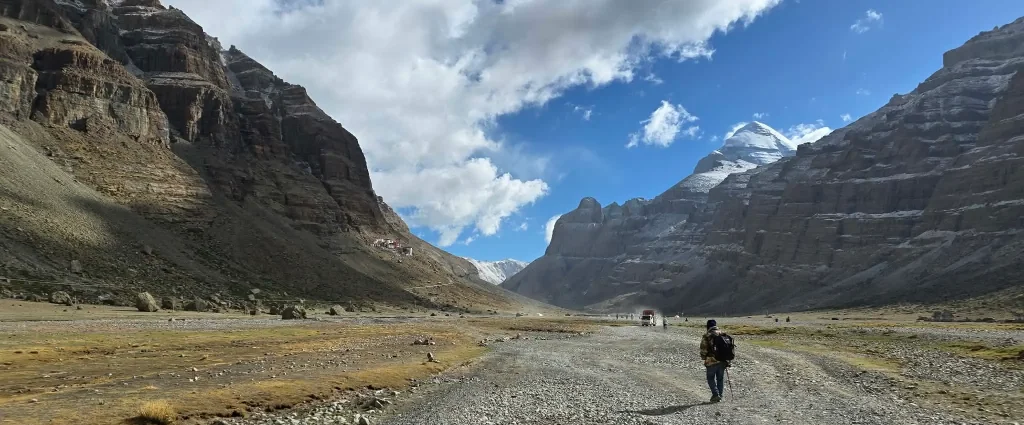
The journey to Kailash’s difficulty also depends upon which route you take to enter Tibet. From Nepal, there are three main routes, and each route has its own challenge and benefits:
| Route | Duration | Difficulty Level | Key Physical Challenge | Best For |
| Nepal Helicopter Route (Simikot–Hilsa) | 8–11 Days | Easy to Moderate | Short walks, high-altitude exposure | Seniors, time-crunched pilgrims |
| Nepal Overland (Kyirong) | 14-16 Days | Moderate | Long drives + 3-day Kailash Kora | Budget-conscious & adventurous travelers |
| Direct Flight to Lhasa | 12-14 Days | Easy to Moderate | Rapid altitude gain | Comfortable entry into Tibet |
Expert Tip: For the short Kailash tour itinerary, you can take the Hilsa Helicopter route. However, be aware that Taklakot (Purang) has limited accommodation, so book the tour package at least 3-4 months in advance.
Eligibility – Are You Medically Fit? (Official Criteria)
To enter Tibet, you don’t need to go for a health checkup, but you need to have a medical fitness report and be free from serious underlying health issues. If you apply from MEA in India, you need to be aged between 18 and 70 years. But in Nepal, there are no age restrictions.
Here is the eligibility checklist. You should avoid the Kailash tour( (Absolute No-Go) if you have:
- High Blood Pressure (Hypertension)
- Diabetes (if uncontrolled or insulin-dependent)
- Asthma or any chronic respiratory disease
- Epilepsy
- History of Heart Disease or Stroke.
How to Prepare – Reducing the Difficulty
The success rate of Kailash Mansarovar Yatra is around 90-95%. Very few people are unable to do the Kailash Kora due to a lack of physical preparation, proper acclimatization and health issues.
The Kailash Pilgrimage tour is challenging, but with proper preparation and planning, it is absolutely manageable. Follow these tips to reduce the difficulty:
1. The Physical Fitness Programme (3 Months prior):
We recommend participants engage in activities that build endurance, leg strength and cardio. Give 1-2 hours daily for physical training at least 3 months in advance. Join the Kailash group Yatra only if you feel ready.
2. Acclimatization Strategy (The “Slow” Rule):
Kailash Kora trekking requires a proper acclimatization plan to avoid altitude sickness. Follow this expert rule:
- Choose the Kailash tour itinerary that has a proper acclimatization day.
- Follow “climb high, sleep low” to adjust your body to high altitude.
- Drink water regularly to avoid dehydration.
- If possible, do a high altitude hike or trek before joining this trip so that you can know how your body reacts to high altitude.
- Consider taking Diamox( altitude sickness medication) by consulting with a doctor.
- Avoid the use of alcohol and smoking during the trip.
- Avoid heavy exercise at high altitude and eat healthy meals only.
- Learn trekking tips and breathing exercises.
3. Choose the Best Time for Kailash Kora trek
The best time for the Kailash Kora is from May to October. If we talk about a better month than late May, June, and September, the most suitable period is due to stable weather, moderate temperature and good visibility of Mount Kailash. Good weather conditions make the trekking route accessible and reduce the Kailash Yatra difficulty significantly. Always check the weather conditions before and during the trip for a safe, smooth and memorable journey.
4. Pack all the Essentials:
Visitors who are heading for the Mansarovar Lake and Mount Kailash will spend around 2 weeks in Tibet. Before heading for the trip, it is important to carry warm clothing, sturdy trekking shoes, personal medicines, and other necessary items to handle different conditions. It is always recommended to pack light but smart. Keep high-energy snacks, water bottles, sunscreen, sunglasses, and basic toiletries with you.
5. Get Travel and Health Insurance:
As you already know, there are several risk factors associated with the Kailash journey. Medical treatment and emergency evacuation from your pocket can be expensive, so it is important to have insurance before joining the trip. Get a policy that covers:
- High altitude trekking risk up to 6000 meters
- Coverage for Acute Mountain Sickness (AMS), frostbite, and other high-altitude complications
- Emergency evacuation support, including jeep or horse evacuation, where ambulance access is not possible
- Pre-trip medical risk screening and advisory
- 24/7 access to medical assistance, even in remote areas without a mobile network
- On-ground emergency coordination with your guide and tour operator
- Coverage for pilgrimage-related delays or travel disruptions
6. Choosing the Right Tour Operator
Before focusing on preparation, choosing the right tour operator is a must, as they play a vital role in making your journey safe and well-organized. Tour agency handles permit, food, accommodation, logistics, trekking guide and makes necessary arrangements. With the right agency, you will get certified guides who know how to handle emergencies and provide a safe trekking experience.
While choosing the agency, check these things:
- Whether they have operated the Kailash Mansarovar Yatra previously or not.
- Whether they are properly registered and hold a valid license or not
- Experience in handling high-altitude and remote mountain expeditions
- Quality of their trekking guides and support staff
- Safety record and emergency response system
- Inclusion of permits, accommodation, meals, and transportation in the package
- Clear communication and transparency in pricing
- Customer reviews and feedback from past travelers
If you find this quality in your tour agency, then book the Kailash Yatra Package with them at least 3-4 months in advance, as per your travel date.
7. Hire a Horse or a Personal Porter
For those who want to avoid the strenuous walk, they can ease the journey by hiring a horse from Darchen. If you hire a personal porter, they will carry a heavy backpack to reduce the load. Hiring the horse and porter is available from Darchen, and it costs you around $300 to $600 USD (approx. ¥2,500 to 4,500 Chinese Yuan). You need to confirm this in Darchen, as after leaving here, it is not possible to hire further.
Kailash Mansarovar Outline Itinerary: What to Expect
Let’s see the well planned itinerary for the Kailash Mansarovar Yatra from Nepal via Kerung route:
Day 1: Arrival in Kathmandu (1,400 m)
Day 2: Kathmandu Sightseeing and Tibet group visa processing
Day 3: Drive to Syabrubesi / Timure (1,550 m)
Day 4: Cross Kerung Border – Drive to Kerung (2,700 m)
Day 5: Kerung (2,700 m) – Acclimatization and rest day.
Day 6: Drive to Saga (4,640 m)
Day 7: Drive to Lake Mansarovar (4,590 m)
Day 8: Lake Mansarovar (4,590 m) – Drive to Darchen (4,670 m)
Day 9: Trek to Dirapuk (4,950 m)
Day 10: Trek via Dolma La Pass to Zuthulpuk (5,630 m)
Day 11: Complete Kora – Return to Saga
Day 12: Drive to Kerung (2,700 m)
Day 13: Drive to Kathmandu (1,400 m)
Day 14: Departure from Kathmandu
Frequently Asked Questions(FAQ)
Where are Lake Mansarovar and Mount Kailash Located?
Lake Mansarovar and Mount Kailash are located in Tibet( an autonomous part of China), which shares the border with Nepal and India. Mansarovar Lake is situated at an altitude of 4,590 meters at its base, and Mount Kailash lies in the Gangdise Range, which is a sub-range of the greater Trans-Himalayan mountain system. Mount Kailash stands at an altitude of 6,638 meters above sea level.
How much does the Kailash Mansarovar Package cost from Nepal?
The overall Kailash Yatra Package depends upon the itinerary, level of service and group size. Let’s see the different types of packages with average cost:
- Private Kailash Tour Cost: USD 3,500 – 5,500 per person
- Budget-friendly group joining Kailash Tour Cost: USD 2,200 – 3,000 per person
- Luxury Kailash Tour Cost: 5,500 – 8,000+ per person.
How long does it take to complete the Kailash Tour from Nepal?
The Kailash tour duration depends on the route you choose.
- Kerung (Kyirong) Overland Route: 14–16 days (most popular option)
- Helicopter Route via Simikot–Hilsa: 10–12 days (faster but weather dependent)
- Luxury or slower itineraries: 14–16 days (includes more rest and acclimatization days)
- Kailash Tour with Tibet Everest Base Camp visit: 14-16 Days
Can a normal person visit Kailash Mansarovar?
Yes, you don’t need to be a super athlete to visit the Kailash Mansarovar. Overall good health conditions and a moderate level of physical fitness are enough to join this tour.
Do you need precious trekking experience to join the Kailash Tour?
You don’t need to have previous trekking experience to participate in this Kailash tour. As long as you are physically fit for the Kailash Kora, you can join.
How to book the Kailash tour from Nepal?
To book the Kailash tour from Nepal, you can contact or email us at Peaceful Nepal. We have been operating Kailash tours for a long time.
Our contact details:
- Location: Sangam Marg 16, Kathmandu, Nepal
- Email: info@peacefulnepal.com, peacefulnepaltreks@gmail.com
- Phone: +9779851150739
Conclusion: Is It Worth the Difficulty?
Despite the challenging journey, the Kailash journey is worth every penny because it is a life-changing journey. Here, you will get the opportunity to come face-to-face with Mount Kailash, the sacred home of Lord Shiva. You will visit the peaceful and holy Lake Mansarovar to perform rituals and take holy baths. It is believed that taking holy baths removes sin and grants spiritual liberation (moksha).
The physical pain is temporary, but the spiritual peace around Mt Kailash is a lifetime achievement. The memories that you will make on the Kailash tour are priceless. The panoramic view of the Tibetan landscape, hospitality, the Tibetan unique culture and the view of the sacred Kailash Peak are lifetime memories.
If visiting Kailash is in your dream, then make your dream come true by contacting Peaceful Nepal now. We provide the package at a budget, allow group join and even make a customizable itinerary as per your needs and demands.
Posted on