

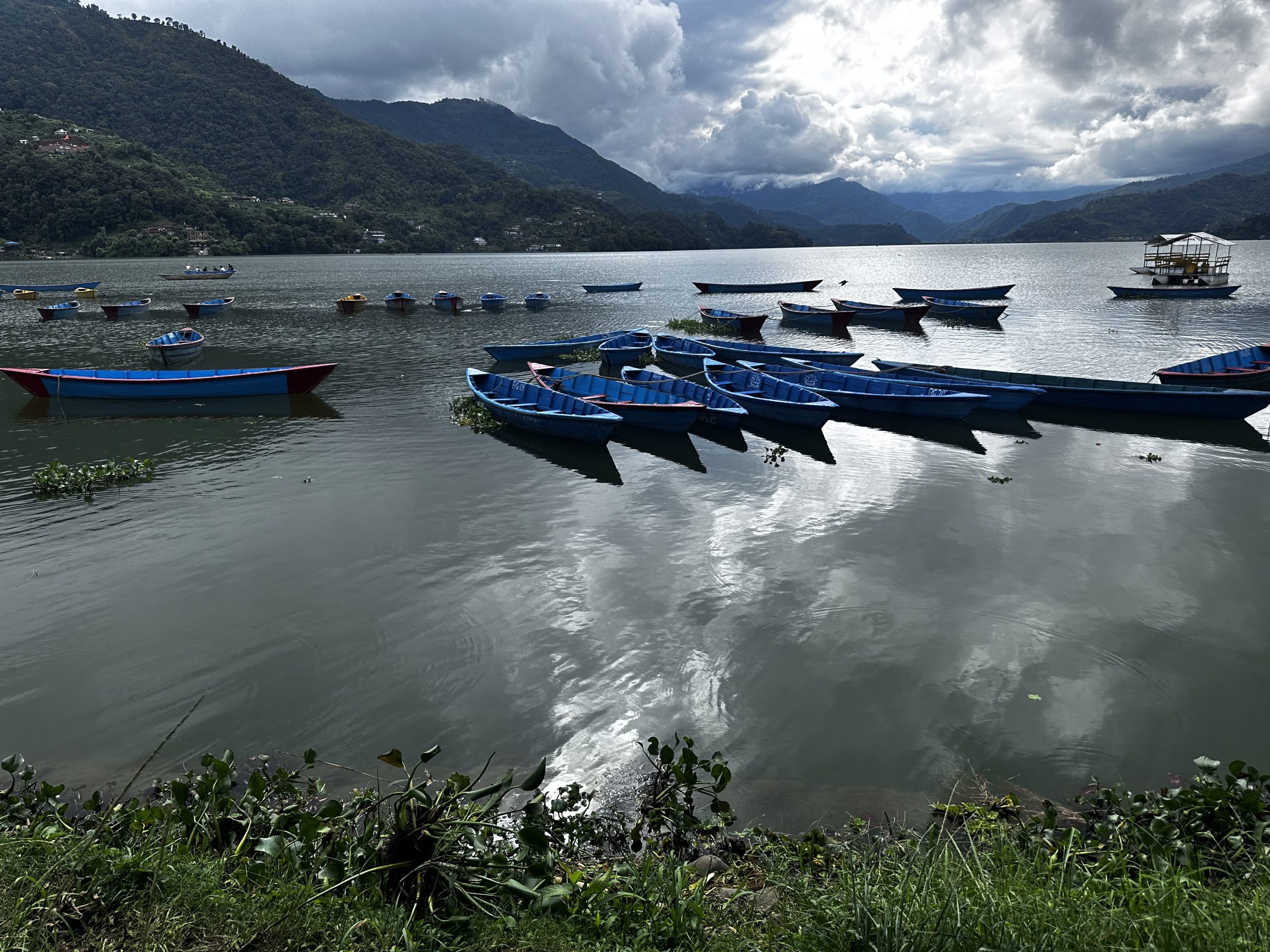
Pokhara is one of Nepal’s most beloved travel destinations, attracting both domestic and international visitors throughout the year. This city’s scenery is unmatched all around the world. A beautiful city full of adventures, scenery, and peaceful lakes. Nearly half of the total international visitors and more than two-thirds of the total trekkers visit Pokhara every year. Pokhara features natural beauty, cultural uniqueness, adventure sports, good hotels & restaurants, and recreational options. This city also serve as gateway for the Annapurna region and is also known as the “Tourism Capital of Nepal”. In Pokhara tourism infrastructure, such as accommodation, restaurants, equipment shops, bars, travel agencies, sports and adventure activities, health care, etc are readily available.
Location
A city of lakes, Pokhara lies in the central-western part of Nepal, in Kaski District, in the Gandaki Province of Nepal. Pokhara has an average elevation of approximately 827 meters (2,717 feet) above sea level. It is approximately 200 km west from Kathmandu, the capital city of Nepal. As it is in the central part of Nepal, it is easily accessible to other destinations such as Kathmandu, Butwal, and Chitwan in about a 4- 6 hours’ drive and only a 25- 30-minute flight.
Places to visit in Pokhara
Pokhara , one of the most popular city of Nepal, has many attractive places. It is not only famous for its scenery but also for adventure activities, cultural heritage and peaceful
surroundings. We can explore Clear lakes, waterfalls, mysterious caves, ancient temples, and thrilling experiences like paragliding, boating, kayaking and zip-lining. Pokhara gives the
experience of all the adventures and scenery for all types of travellers.
Its clean streets, welcoming atmosphere, and outstanding facilities further enhance the experience, makes a best place to visit in Nepal.
Phewa Lake & Tal Barahi Temple
Phewa lake is Pokhara city most popular attraction and the second-largest lake in Nepal.
This lake offers a peaceful boating experience while viewing the stunning Annapurna
mountain range and the surrounding green hills. The Lakeside area around Phewa Lake is filled with numerous cafes, restaurants, street shops, parks, and hotels, making it a lively place to explore. From early morning, visitors come to enjoy the mountain views, take a boat ride, and visit the famous Tal Barahi Temple. In the evening, the sparkling lights reflected on the lake create a beautiful setting to relax, enjoy local and international cuisine, and experience the vibrant atmosphere.
The temple on a small island in the middle of Phewa Lake is called Tal Barahi Temple. This temple, a holy place of the Goddess Durga, is constructed with bricks, stone and wooden materials, and is most commonly called the Lake Temple. The temple is dedicated to Goddess Barahi, a form of Goddess Durga. Many devotees believe that praying here with a pure heart brings good health, happiness, and the fulfilment of their wishes. Both pilgrims and tourists visit the temple to enjoy its peaceful surroundings and beautiful location. Since it is in the middle of the lake, it can only be reached by boat, making it a unique experience.
Shanti Stupa (World Peace Pagoda)
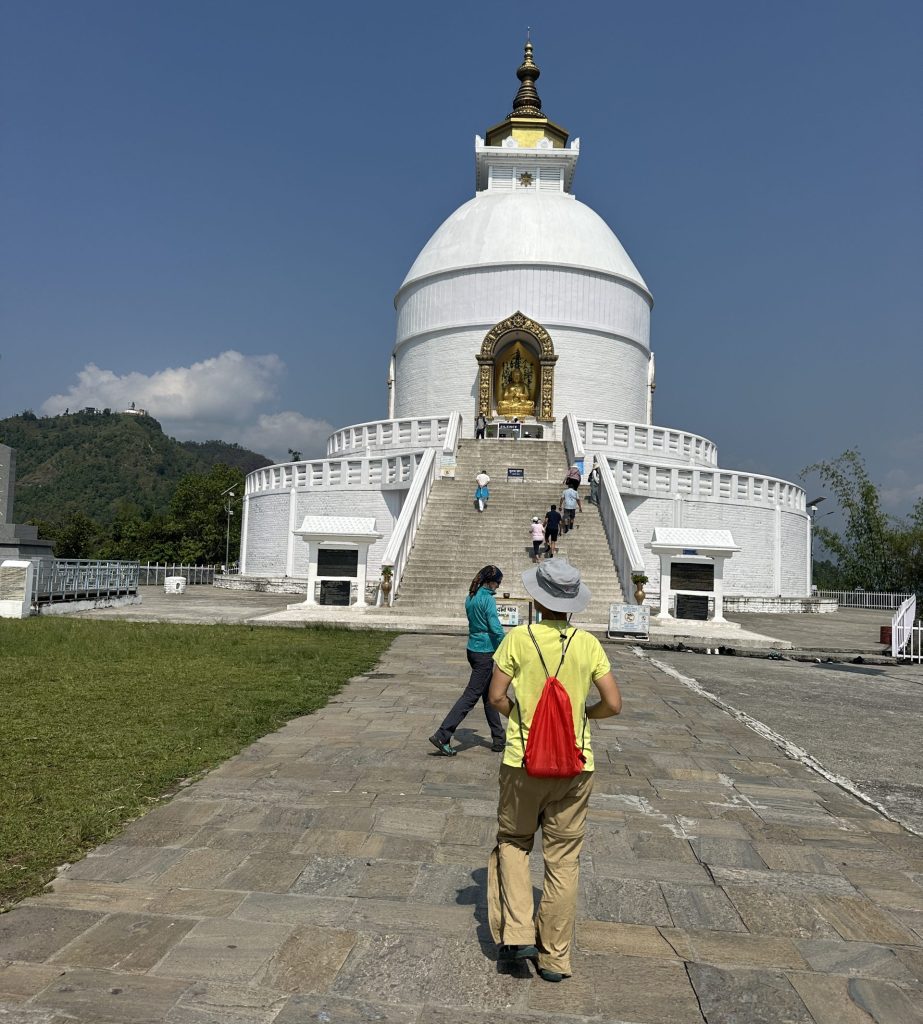
The very first World Peace Pagoda in Nepal is Shanti Stupa, located in the heights of 1100 m above sea level and was built as a symbol of peace. The stupa symbolizes:
- Peace between nations and communities
- Mutual respect among religions
- Buddhist teachings of compassion and non-violence
One of the best viewpoints in Pokhara, it provides a 360-degree panoramic view of the Annapurna range, Pokhara city and Phewa Lake. This place is also loved by travellers for bicycling and hiking, and you could take either a taxi or a motorbike for easier accessibility.
Pumdikot Shiva Statue
Pumdikot Shiva Statue is the second-tallest statue of Shiva in Nepal, built to promote Hindu cultural heritage. It is a perfect mixture of natural beauty, spirituality, and cultural heritage. Pumdikot can be reached either by hiking from Pokhara or by driving. It is about a 30-minute drive from Lakeside. It also provides a 360-degree panoramic view of the Annapurna range along with the other beautiful mountains and the hills surrounding Pokhara Valley. It is not only a spiritual destination but also a paradise for nature lovers and photographers. It offers a calm and spacious environment.
Davis/ Devi’s Falls Pokhara
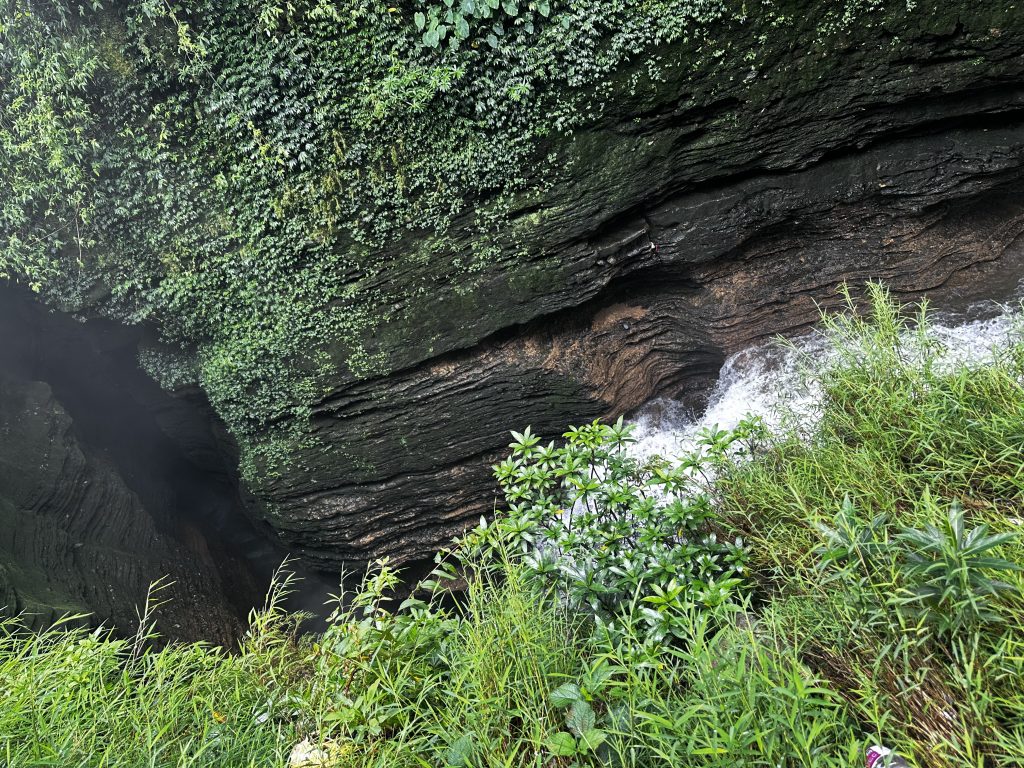
Devi’s Fall, locally known as Patal ko Chhango, meaning “Underworld’s Waterfall”, is more than just a waterfall. The Story Behind the Name Davis Fall is that a Swiss tourist was swept away by the strong current after the sudden release of water from Phewa Lake. Her father expressed a desire to have the waterfall named “David’s Fall” after his daughter. Currently, a lot of recent changes have been implemented by the local authority to make the trip much safer for travellers; the falls have been provided with railings and bars.
The waterfall is formed from the water released by Phewa Lake, making its flow especially impressive during the monsoon season. Davis Fall offers visitors a chance to witness water disappearing into an underground tunnel carved through limestone rock. During the rainy season, the force of the water becomes even more dramatic, creating mist, roaring sounds, and beautiful rainbows on sunny days.
Davis Fall can be visited throughout the year, but each season offers a different experience. The entrance fee is affordable for both domestic and international visitors.
Travel Tips for Davis Fall visit:
- Visit in the morning to avoid the crowds.
- Wear comfortable walking shoes.
- Avoid climbing over railings.
- Be aware of the slippery walkway, especially in the rainy season.
- Carry a camera for stunning photographs.
- Combine your visit with Gupteshwor Mahadev Cave for a complete experience.
- Allow about 1–2 hours to explore the area comfortably.
Gupteshwor Mahadev Cave
Gupteshwor Mahadev Cave is one of the longest caves in Nepal with a length that exceeds 2,000 meters and Pokhara’s most popular religious and natural attractions. The Cave is believed to have great religious and cultural significance for Hindus and attracts numerous devotees and tourists to visit for both religious purposes and sheer beauty. Gupteshwor Mahadev Cave is located directly opposite of Devi’s Fall.
Bindhyabasini Temple
Bindhyabasini Temple is one of the most historic Hindu temples in Pokhara. The temple is dedicated to Goddess Bindhyabasini, one of the avatars of Durga. It is a popular place for
daily worship, religious festivals, and visitors seeking a spiritual experience while exploring Pokhara. The temple offers peaceful surroundings and beautiful views of the Annapurna and Machhapuchhre mountain ranges on clear days.
Begnas lake
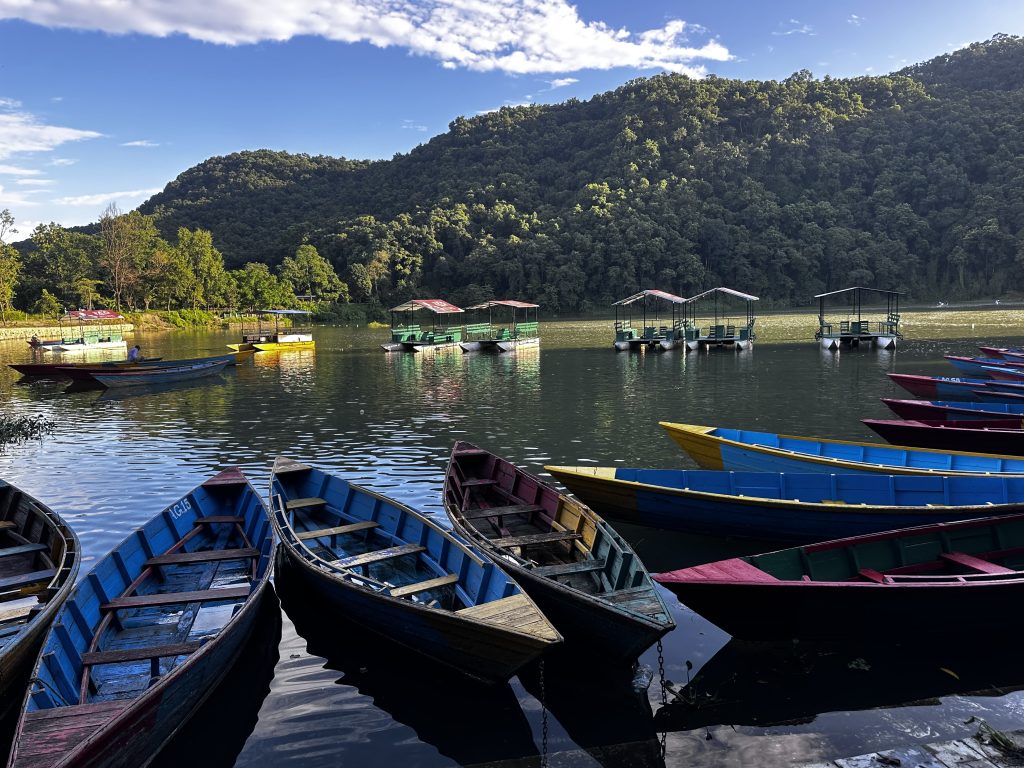
Begnas Lake is the second-largest lake in the Pokhara Valley and lies approximately 15 km away from Lakeside Pokhara. Here, visitors can relax and enjoy activities like boating, lakeside walks, and stunning views of the surrounding green hills and Himalayan peaks. It is a perfect destination for visitors looking to escape the crowds. The colourful sky reflected in the still water creates a beautiful, peaceful view, making Begnas Lake a favourite spot for photographers and nature lovers.
International Mountain Museum
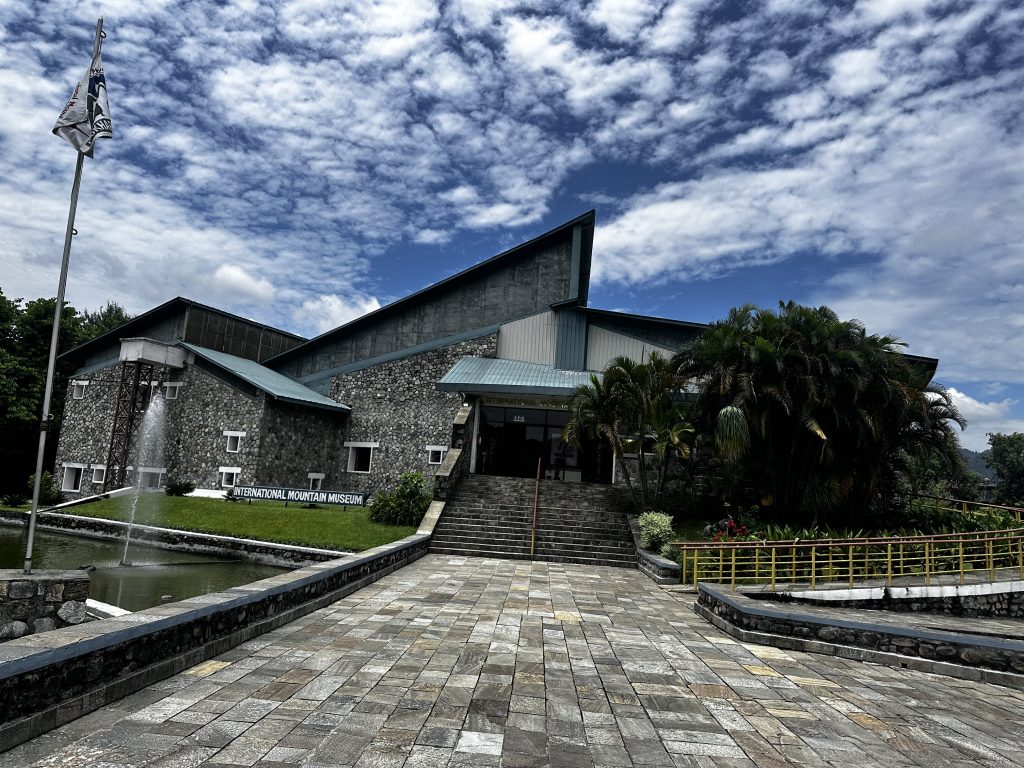
The museum was established to conserve and showcase the rich heritage of mountains and mountaineering. It is also recognized as Nepal’s first disability-friendly museum in Nepal, making it accessible to a wider range of visitors. It is a unique cultural and educational attraction that one can easily spend 1.5 to 2 hours exploring. The museum shows:
- Geographical and geological overview of the Himalayas
- Diverse indigenous cultures and traditions of Nepal
- Mountain ecosystems and biodiversity
- Indigenous cultures and traditions
- History of mountaineering and techniques
- Climate change impacts and environmental conservation in mountain regions
Sarangkot
Sarangkot is located about 5–7 km from Lakeside at an elevation of around 1,600 meters. It is recognized as one of the world’s best paragliding destinations. Flying from the hilltop provides outstanding aerial views of Phewa Lake and the Pokhara Valley below. Both beginners and experienced flyers can enjoy tandem paragliding with certified guides.
Visitors can reach Sarangkot by hiking, driving, or taking the Sarangkot Cable Car.
They can enjoy iconic views of the Himalayas, witness breathtaking sunrises and sunsets, experience a scenic cable car ride, and enjoy paragliding. Even if you’re not flying, watching colourful paragliders fill the sky above Pokhara is an exciting experience.
Adventure activities in Pokhara
- Paragliding: Paragliding is one of the most exciting and popular adventure activities in Pokhara. It offers a unique opportunity to fly like a bird while enjoying spectacular views of the Annapurna and Machhapuchhre mountain ranges, Phewa Lake, and the beautiful Pokhara Valley. Most paragliding flights take off from the hilltop of Sarangkot, which is about a 30-minute drive from Lakeside, and experienced and certified pilots make this adventure safe and suitable even for first-time flyers.
- Hot Air Balloon: One of the newest adventure activities in Pokhara is Hot air ballooning. The hot air balloons are filled with hot air and will lift the basket, which can hold 4-6 passengers, and depend upon a package minimum of a 30-minute tour across the skies with a magnificent view of the Himalayas. It’s best experienced after September, as the monsoon season makes it less safe and less visually clear.
- Boating and Kayaking: Boating and kayaking are must-try experiences during your visit to Pokhara. Whether you choose a relaxing boat ride on Phewa Lake or Begnas Lake, or prefer the adventure of kayaking on Phewa Lake, you’ll be surrounded by peaceful natural beauty.
A boat ride also offers the opportunity to visit the beautiful Tal Barahi Temple, located on a small island in the middle of Phewa Lake.
Other major adventures are
- Hiking
- Rock Climbing
- ATV ride
- Water Rafting
- Mountain Biking
- Ziplining
Gateway to the Annapurna Region
Pokhara is not only a beautiful destination but also the main gateway to the Annapurna Region. If you have extra time after exploring the city, you can continue your journey to destinations like Annapurna Base Camp, Poon Hill, Manang, and Mustang. These destinations are known for their breathtaking mountain views, scenic trails, traditional villages, and unique Himalayan culture, making them perfect for trekkers and nature lovers.
Climate and weather in Pokhara
The climate of Pokhara is moderate, as it is situated in a valley surrounded by green hills. The temperature difference between summer and winter is also not too much drastic. Winter temperatures usually range from 10–15°C, while summer temperatures range from 25–30°C. The summer is even pleasant as it gets rainfall almost every afternoon. In recent days, due to the impacts of climate change, the weather has been unpredictable: colder winters, hotter summers, and late monsoons, etc., have been experienced.
Food
As one of Nepal’s most popular tourist hubs, Pokhara also offers a wide range of culinary preferences with both local and international cuisine options, including Indian, Chinese, Tibetan, Italian, Korean, Japanese, Thai, and Continental dishes.
While exploring the city, don’t miss out on tasting the authentic Thakali Khana Set, delicious momos, fresh grilled fish, and Newari dishes served at local restaurants. If you’re a fish lover, don’t miss the chance to try freshly grilled fish at Majhikuna while visiting Begnas Lake. Located just a 10-minute drive from the lake, Majhikuna is well known for its delicious grilled fish served with beautiful lakeside views.
Accommodation in Pokhara
Pokhara offers a wide range of accommodation for all types of travellers in Pokhara, from luxury resorts to budget-friendly, comfortable hotels to cozy guesthouses; you will find plenty of choices. The Lakeside area is the most popular place to stay, with many hotels, cafes, restaurants, and shops within walking distance. Many accommodations offer modern amenities such as free Wi-Fi, hot showers, airport transfers, and stunning views of the Annapurna range.
Conclusion
Pokhara truly has something for everyone. Whether you want to relax by peaceful lakes, enjoy thrilling adventure activities, explore cultural and religious sites, or begin an unforgettable Himalayan trek, Pokhara offers a perfect travel experience. No matter the season, this beautiful city will leave you with memories to cherish for a lifetime.
FAQs
How can I reach Pokhara?
It takes a short flight (about 30 mins) or drive (6-8 hrs) to get to Pokhara from Kathmandu. A bus, private car or domestic flight runs to Pokhara from Kathmandu every day. If you’re coming from other destinations in Nepal, you can also reach Pokhara by public or private vehicles.
What are the must-visit places in Pokhara?
Some of the top places to visit are:
- Phewa Lake
- Tal Barahi Temple
- Sarangkot
- Davis Falls
- Gupteshwor Mahadev Cave
- World Peace Pagoda
- Bindhyabasini Temple
- Begnas Lake
How many days are enough for Pokhara?
A 2–4 day trip is enough to explore the main attractions, enjoy adventure sports, visit nearby lakes and temples, and experience the local culture of Pokhara.
Is Pokhara safe for tourists?
Yes, Pokhara is a very safe place to visit for tourists. However, as with all tourist destinations in Nepal, general precautions should be taken when participating in activities and undertaking treks.
Posted on