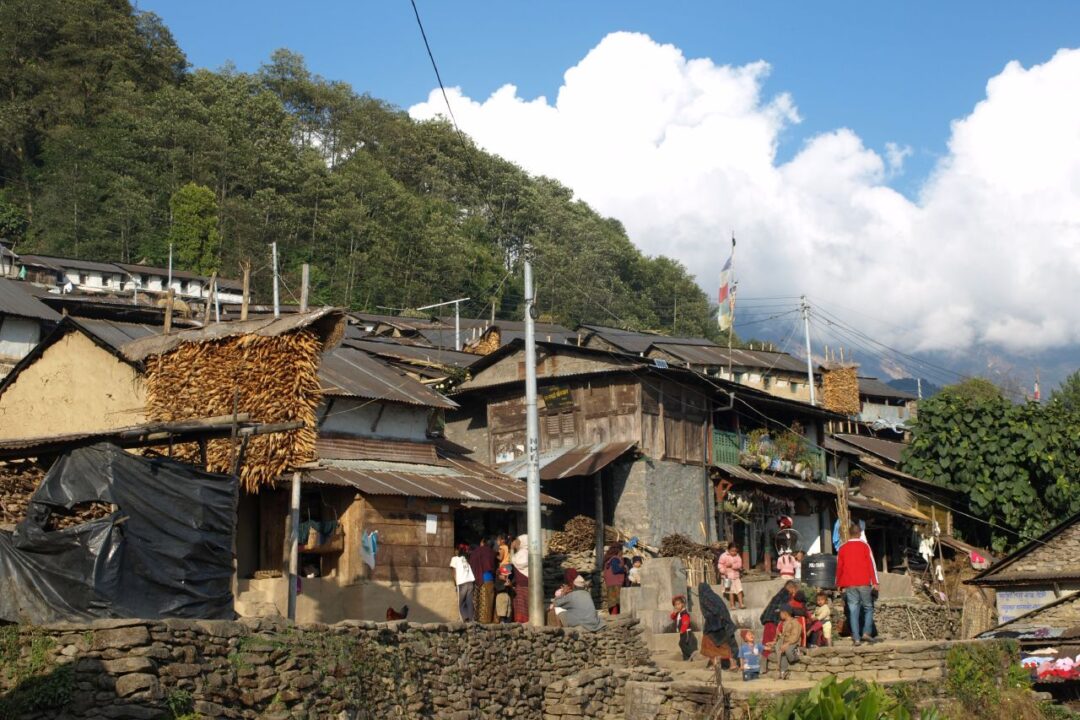

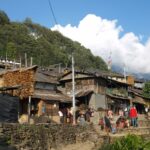
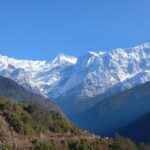
Sikles, situated within the Annapurna region, stands as one of its most venerable villages. Perched on a quaint hilltop at 2,000 meters, this idyllic Gurung community overlooks the Mardi River. Notably, it attracted Prince Charles of England in 1980, drawn by its historic connection to the Gurkhas, many of whom are veterans of World War II and reside here. For those seeking a serene natural escape on a manageable trek, Sikles offers a perfect retreat.
The Sikles Trek, a path less trodden in the Annapurna circuit, is emerging as a favorite among trekkers. Its charm lies in the picturesque villages, cascading terraced fields, and vibrant rhododendron woods. Ideal for those who wish to delve into the stunning landscapes and rich culture near Pokhara, this trek is gaining traction.
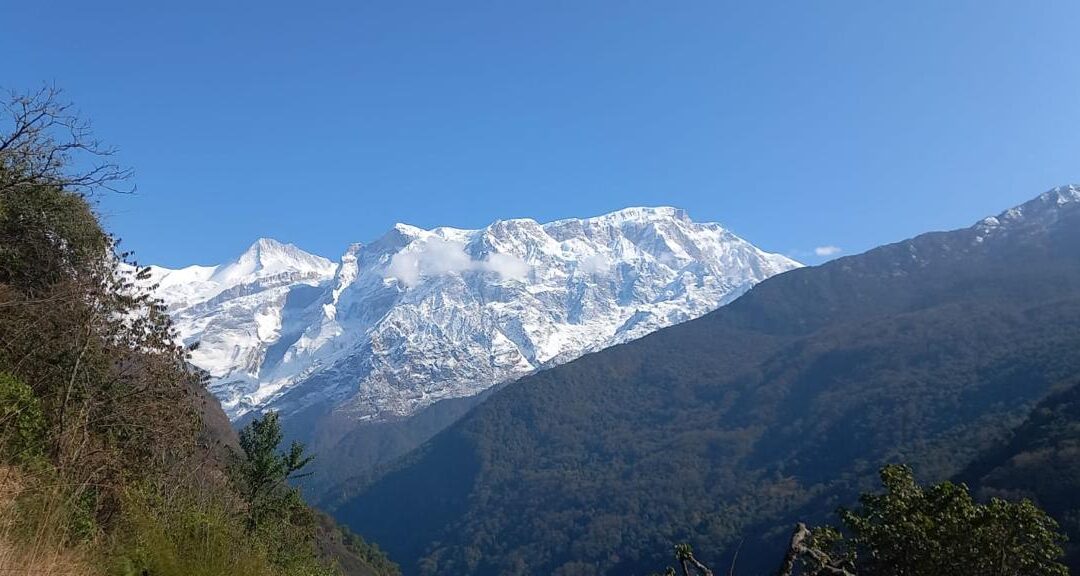
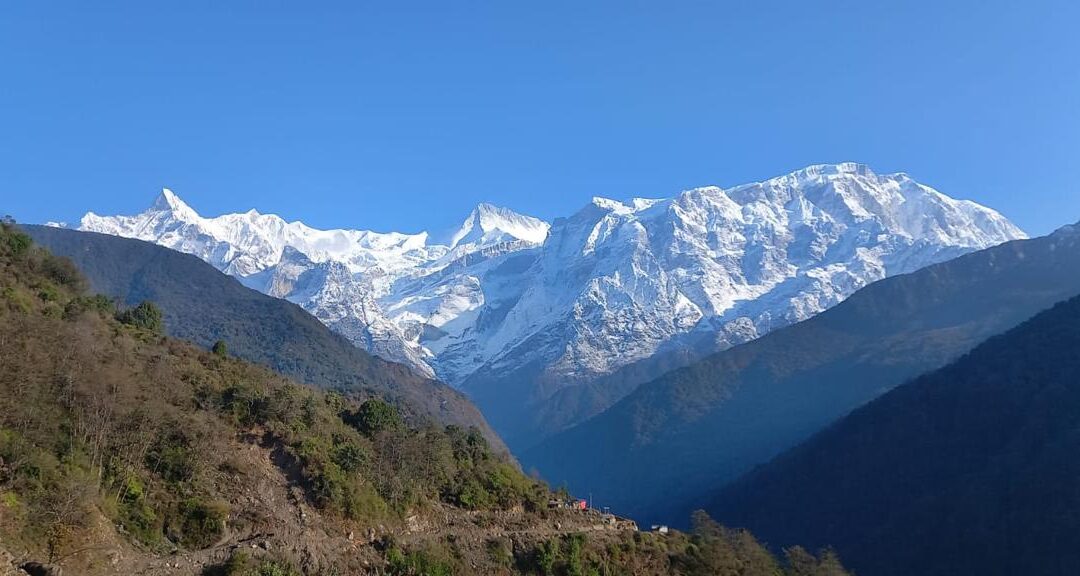
Setting out on the Sikles Trek unfolds a panorama of lush rhododendron forests, striking mountain vistas, and expansive landscapes. Ascending to 2,000 meters presents a spectacular view of the Annapurna and Lamjung Himal ranges.
This journey is not only a feast for the eyes but also an educational experience, offering insights into the area’s cultural fabric, traditions, and everyday life. With its highest point at 2,550 meters, the trek is accessible to beginners and poses minimal risk of altitude sickness, making it an excellent choice for novice trekkers.
Spring (March to May): Rhododendron forests bloom vibrantly, the weather is pleasant, and the mountain views are clear.
Autumn (September to November): Clear skies and stable weather provide some of the best trekking conditions of the year.
The monsoon season (June to August) brings heavy rains, making trails slippery and potentially hazardous. Winter (December to February) can be cold, especially at night, and snow may occasionally affect higher elevations.
The Sikles Trek is considered moderate. The trails are well-maintained and do not require technical climbing skills. The altitude is relatively low compared to other Himalayan treks, reducing the risk of altitude sickness. However, a reasonable level of fitness is recommended due to some uphill sections and the length of the daily walks, which can range from 4 to 6 hours.
Day 1: Drive from Kathmandu to Pokhara (850m)
Day 2: Pokhara to Tangting (1,650m/5,515ft)
Day 3: Trek to Sikles (1,981m/6499ft)
Day 4: Sikles to Tara Hill Top (2,800m/9,185ft)
Day 5: Tara Hill Top to Ghalekharka/Khadarjung (1,669m/5,475ft)
Day 6: Ghalekharka/Khadarjung to Pokhara
Day 7: Drive back to Kathmandu
Begin with a 7-hour scenic drive from Kathmandu to Pokhara, enjoying stunning views of the Himalayas, verdant hills, and dramatic river valleys along the way. Upon arrival, prepare for the upcoming trek with a detailed briefing, last-minute shopping, and packing. Overnight in Pokhara.
Start with a 1-hour picturesque drive to Chasu from Pokhara. From Chasu, cross a suspension bridge over the Modi River and pass through charming villages with breathtaking views of Lamjung Himal, Annapurna II, and the Modi Valley. The trail initially follows a wide off-road path, then ascends steeply via a stone staircase to the Gurung village of Tangting. Spend the evening exploring this captivating village and enjoy overnight stay in a basic teahouse or homestay.
Descend to the river and enjoy a packed lunch. From there, ascend another hill, tackling a long flight of stone steps. The path winds through lush terraced fields leading to Sikles. This Gurung village offers spectacular views of Annapurna IV, Annapurna II, and Lamjung Himal. Overnight in a teahouse.
Enjoy a leisurely morning before departing Sikles after an early lunch. Ascend through forests to Tara Hill Top. Camp overnight at this serene location with no facilities, trading comfort for a spectacular natural setting and sunrise views of the mountains the next morning.
After witnessing a sunrise over the mountains, start the descent mostly through thick forests to either Ghalekharka or Khadarjung. Overnight in a basic teahouse or homestay.
Enjoy a relaxed morning with a short 2-hour walk to the road head, followed by a 1.5-hour drive back to Pokhara. Overnight in Pokhara.
Accommodation consists mostly of teahouses and homestays. Facilities are basic but clean and comfortable, often including shared bathrooms and simple meals. Staying in homestays offers a unique chance to experience daily life in a Gurung household and enjoy homemade meals such as dal bhat (rice and lentils), vegetable curry, and occasionally local specialties.
For the Sikles Trek, you’ll need the Annapurna Conservation Area Permit (ACAP), which is mandatory for trekking in the Annapurna region. This permit can be obtained in Kathmandu or Pokhara at the Nepal Tourism Board offices. While a TIMS Card (Trekkers’ Information Management System) is not always required for Sikles, it’s best to check the latest regulations before starting your trek. Ensure you carry these permits with you at all times, as they may be checked along the trail.
Proper preparation is essential for a successful Sikles Trek. While the trek is considered moderate, it still requires a good level of physical fitness. Cardio exercises like running, cycling, or swimming can help build stamina, while strength training for your legs and core will prepare you for the uneven terrain. Packing the right gear is equally important—layered clothing, sturdy hiking boots, trekking poles, and a reliable backpack are must-haves. Mental preparation is also key, as the trek involves long walking hours, basic accommodations, and unpredictable weather.
Carrying the right gadgets can make your trek more comfortable and safe. A high-capacity power bank is essential, as electricity may not always be available in remote areas. A reliable headlamp is a must for early morning starts or navigating in the dark. Offline maps or GPS devices are invaluable in areas with poor network coverage, and a camera or smartphone will help you capture the stunning landscapes and cultural moments along the way.
Hydration and Nutrition
First Aid Kit
A well-stocked first aid kit is essential. Include:
Local Knowledge
Altitude sickness, or Acute Mountain Sickness (AMS), is a potential risk during the Sikles Trek, especially as you ascend to higher altitudes. Symptoms include headache, nausea, dizziness, and shortness of breath. To prevent AMS, ascend gradually, stay hydrated, and avoid alcohol. If symptoms worsen, descend immediately and seek medical attention. Carrying medication like Diamox can also help manage mild symptoms.
Travel insurance is a must for trekking in Nepal, as it provides coverage for medical emergencies, high-altitude evacuation, and trip cancellations. Look for a policy that specifically includes high-altitude trekking and helicopter rescue, as these can be lifesaving in remote areas. Popular providers like World Nomads and SafetyWing offer comprehensive plans tailored for trekkers.


If you are looking for travel in Nepal, Bishnu will help you to make your perfect trip plan. He has been working on this industry for more than 10 years