

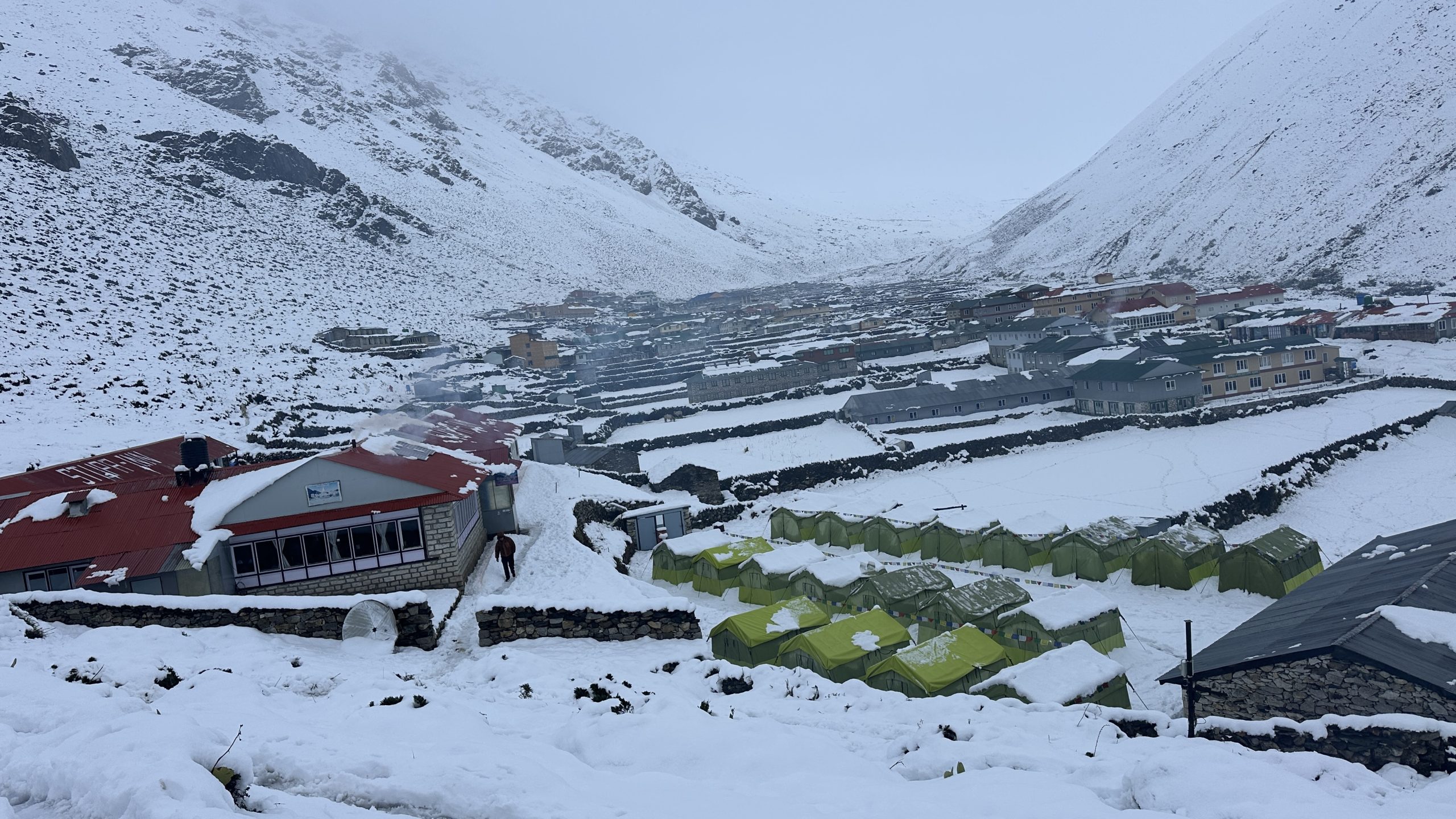
Dingboche is a Sherpa village in Nepal’s Khumbu region, located at an altitude of 4,410 meters (14,470 feet). It is one of the main settlements along the Everest Base Camp trekking route and an important stop for trekkers before continuing toward higher elevations.
Most trekkers reach Dingboche after staying in Tengboche, a well-known village home to the Tengboche Monastery. The trail from Tengboche descends through rhododendron and pine forests before crossing the Imja Khola River. From there, it gradually climbs through the valley toward Dingboche, with views of mountains such as Ama Dablam and Thamserku along the way.
One of the most noticeable features of Dingboche is its stone-walled fields. Unlike many nearby villages, local residents grow crops such as barley and potatoes in these small fields. The stone walls help protect the crops from cold temperatures and strong mountain winds. During the trekking season, these fields give Dingboche a distinctive appearance.
During the acclimatization day, trekkers can take a hike toward Nangkartshang Hill, which reaches around 5,083 meters (16,677 feet). The hike provides an opportunity to gain elevation during the day before returning to Dingboche to sleep at a lower altitude. It also offers views across the Imja Valley and surrounding Himalayan peaks.
For many trekkers, Dingboche marks an important transition point on the journey to Everest Base Camp, where the landscape becomes increasingly rugged and the effects of altitude become more noticeable.
Quick Facts
| Fact | Details |
|---|---|
| Location | Khumbu Region, Nepal |
| Altitude | 4,410m (14,470ft) |
| Region | Everest Region |
| Main Trek | Everest Base Camp Trek |
| Nearby Valley | Imja Valley |
| Nearest Major Village | Pangboche |
| Best Seasons | Spring (March–May) and Autumn (late September–November) |
What is the Altitude of Dingboche Village?
Dingboche is located at an altitude of approximately 4,410 meters (14,470 feet) in Nepal’s Khumbu region. It is one of the main high-altitude villages on the Everest Base Camp trekking route and an important stop for acclimatization before heading to higher elevations.
Dingboche is also an important base for several other Himalayan adventures. Trekkers and climbers use the village as a starting point or overnight stop for routes toward Chhukung, Island Peak (Imja Tse), and Ama Dablam Base Camp. Its location makes Dingboche an important settlement for exploring the upper Khumbu region.
How to Reach Dingboche
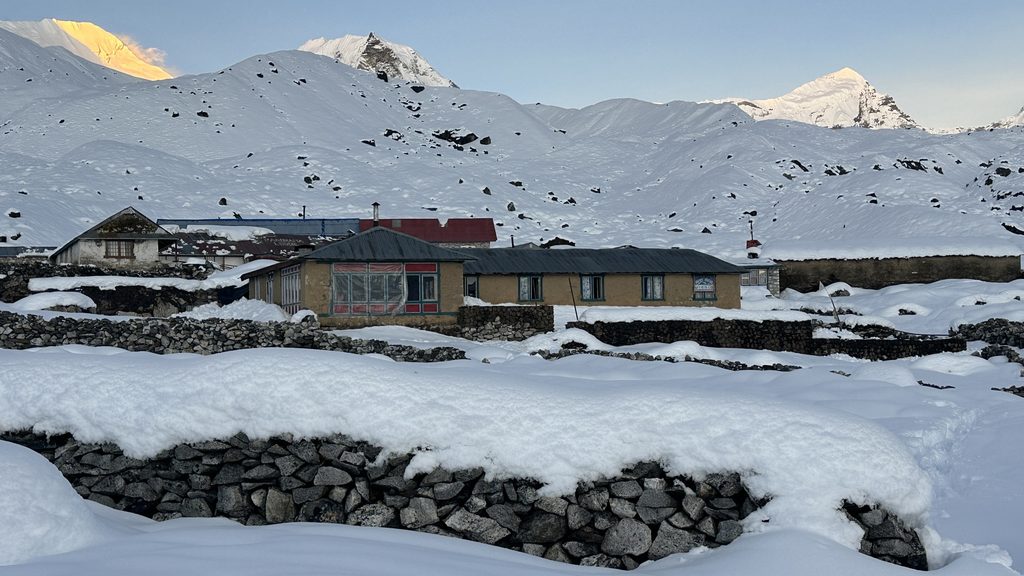
Dingboche does not have regular road access, so most trekkers reach the village on foot as part of an Everest region trek. The journey follows established trails through Sherpa settlements, river valleys, and mountain landscapes.
Typical Route to Dingboche
Kathmandu → Lukla → Phakding → Namche Bazaar → Tengboche → Pangboche → Dingboche
Most trekkers begin by traveling from Kathmandu to Lukla, which serves as a common starting point for treks in the Khumbu region. From Lukla, the trail follows the Dudh Koshi Valley toward Phakding and then continues uphill to Namche Bazaar.
After spending time acclimatizing around Namche, trekkers continue toward Tengboche and Pangboche before reaching Dingboche at approximately 4,410 meters (14,470 feet).
From Dingboche, trekkers can continue toward Lobuche and Everest Base Camp or take an acclimatization hike toward destinations such as Nangkartshang Peak or Chhukung, depending on the itinerary and conditions.
Things to Do in Dingboche Village
Dingboche is an important stop on the Everest Base Camp Trek and offers several activities besides resting and acclimatizing. Here are some of the main things to do in Dingboche:
1. Hike to Nangkartshang Hill
One of the most popular activities in Dingboche is hiking to Nangkartshang Hill, which reaches around 5,083 meters (16,677 feet). The hike provides panoramic views of Ama Dablam, Lhotse, Island Peak, Makalu, and the surrounding valleys. It is also a useful acclimatization hike before continuing toward Lobuche and Everest Base Camp.
2. Take an Acclimatization Day
Trekkers can use their acclimatization day to take a short hike to a higher elevation before returning to Dingboche to sleep. Staying hydrated, walking slowly, and getting enough rest are important at this altitude.
3. Hike Toward Chhukung
Dingboche is also a starting point for the trail toward Chhukung, a small settlement in the Imja Valley. The route offers views of Ama Dablam, Island Peak, and surrounding Himalayan peaks. Trekkers with enough time can explore the valley before returning to Dingboche.
4. Visit the Dingboche Gompa
The Dingboche Gompa is a small Buddhist religious site in the village. Visiting the gompa provides an opportunity to learn about the spiritual traditions of the local Sherpa community and experience the peaceful atmosphere of the village.
5. Explore the Stone-Walled Fields
Dingboche is known for its traditional stone-walled agricultural fields. Local residents grow crops such as potatoes and barley in these protected fields. Walking around the village allows trekkers to see how the local community has adapted agriculture to the cold and windy Himalayan environment.
6. Experience Sherpa Culture
Take some time to explore the village and observe the traditional lifestyle of the local Sherpa community. Prayer flags, mani walls, Buddhist practices, traditional houses, and local teahouses are all part of the cultural experience in Dingboche.
7. Enjoy the Mountain Views
Dingboche offers clear views of several Himalayan peaks, particularly Ama Dablam, Lhotse, Island Peak, and other surrounding mountains. The open valley and rugged landscape make the village a good place to relax before continuing toward higher elevations.
Trekking from Dingboche to Lobuche
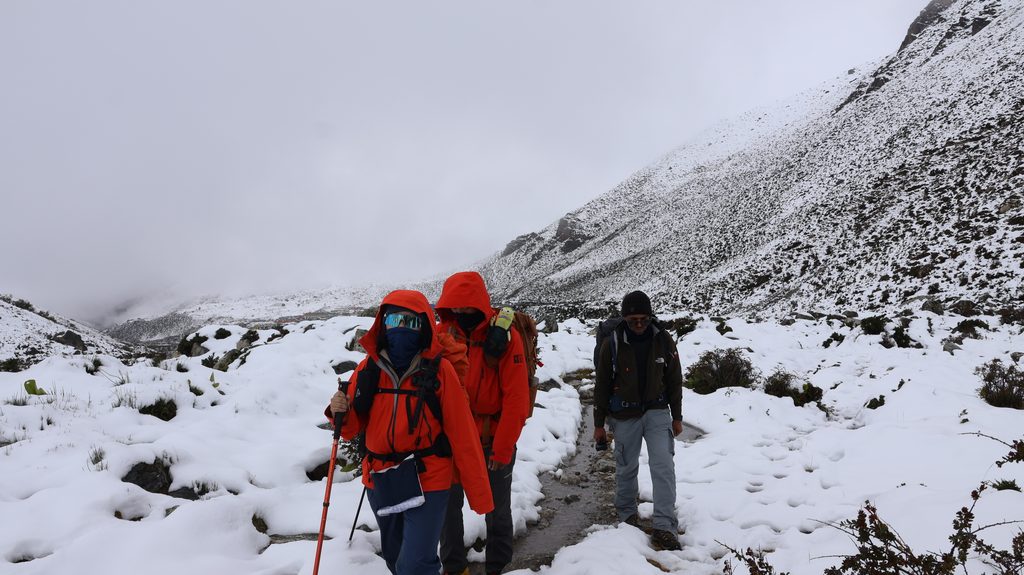
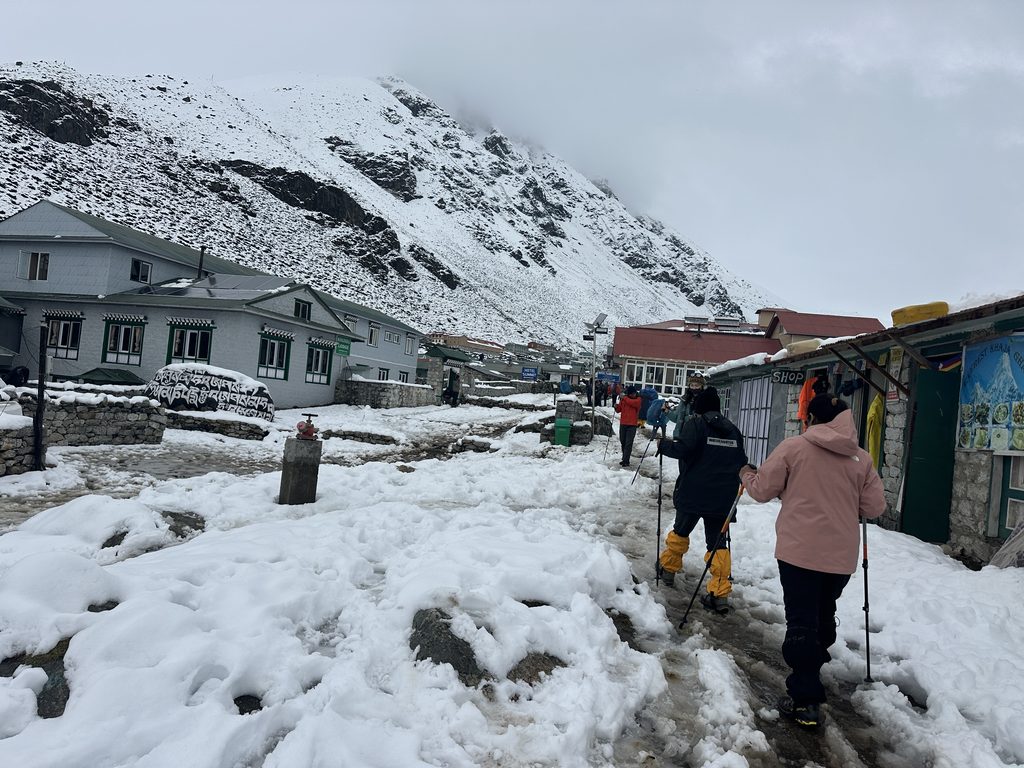
The trek from Dingboche (4,410m/14,468ft) to Lobuche (4,940m/16,207ft) is one of the important sections of the Everest Base Camp Trek. The route covers approximately 12 kilometers and usually takes around 5 to 6 hours, depending on walking pace, trail conditions, and rest breaks. With an elevation gain of about 530 meters, the trail requires a steady pace as the air becomes noticeably thinner.
After leaving Dingboche, the trail gradually climbs through the rugged landscape of the upper Khumbu Valley. Trekkers pass rocky terrain, open valleys, and glacial streams before reaching Dukla, an important resting point along the route. From Dukla, the trail becomes steeper as it climbs toward the Dukla Pass memorial area, where memorial stones honor climbers and Sherpa guides who lost their lives on Himalayan expeditions.
The route offers impressive views of several Himalayan peaks, including Lhotse (8,516m/27,940ft), Nuptse (7,861m/25,791ft), and Ama Dablam (6,812m/22,349ft). As the trail moves higher, the landscape becomes more barren and rugged, with fewer trees and more exposed rock, moraine, and mountain slopes.
Because of the increasing altitude, trekkers should maintain a slow and consistent pace, drink enough water, and take regular breaks. The gradual ascent from Dingboche to Lobuche is particularly important for allowing the body to adjust before continuing toward Gorak Shep (5,164m/16,942ft) and Everest Base Camp.
Lobuche is a small settlement surrounded by rugged Himalayan terrain and serves as an important overnight stop on the Everest Base Camp route. The teahouses provide basic accommodation, meals, hot drinks, and a place to rest before the next day’s trek. Facilities become more basic at this elevation, so trekkers should be prepared for cold temperatures and limited services.
After spending the night in Lobuche, trekkers continue toward Gorak Shep and then Everest Base Camp.
Accommodation and Meals in Dingboche
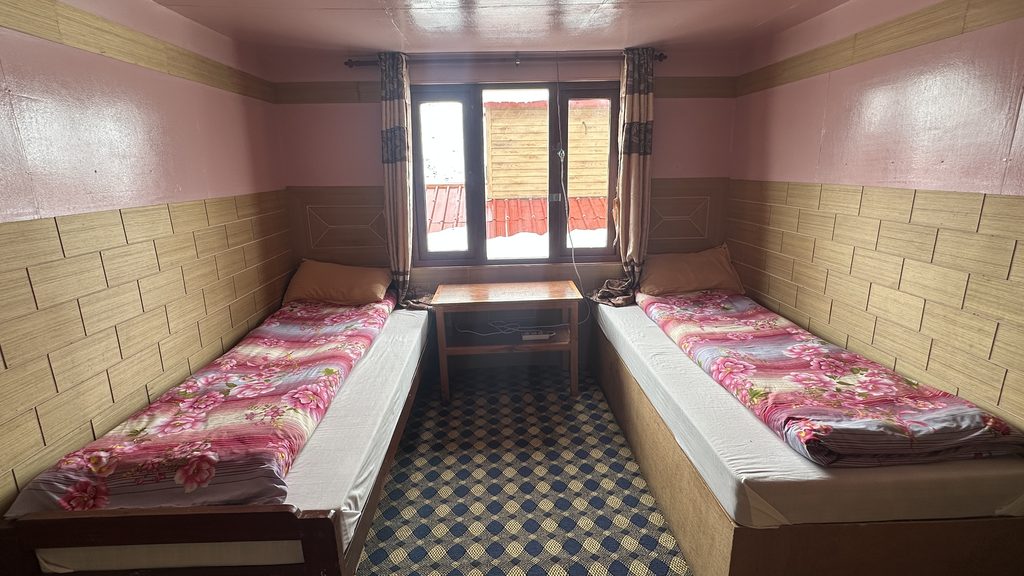
Dingboche offers a range of accommodation options, mainly teahouses and trekking lodges. Rooms are generally simple, with twin beds, mattresses, blankets, and shared bathrooms. Some lodges may provide attached bathrooms, hot showers, Wi-Fi, and charging facilities, although these services can vary and may cost extra.
During the busy trekking seasons, it is advisable to arrange accommodation in advance, especially for larger groups.
Meals in Dingboche
Teahouses in Dingboche serve a variety of meals to keep trekkers energized during the long days on the trail. Dal Bhat is one of the most common choices. It usually includes steamed rice, lentil soup, vegetables, and curry, and many teahouses offer additional servings of rice and dal.
Other common meals include fried rice, fried noodles, pasta, macaroni, soups, eggs, potatoes, and vegetable dishes. Momos, or steamed dumplings, are also popular among trekkers. Some larger lodges may have options such as pizza and spaghetti.
At higher elevations like Dingboche, simple and filling meals are often the most practical choice. Drinking enough water and eating regular meals can help you maintain energy as you continue toward higher elevations.
Best Time to Visit Dingboche Village
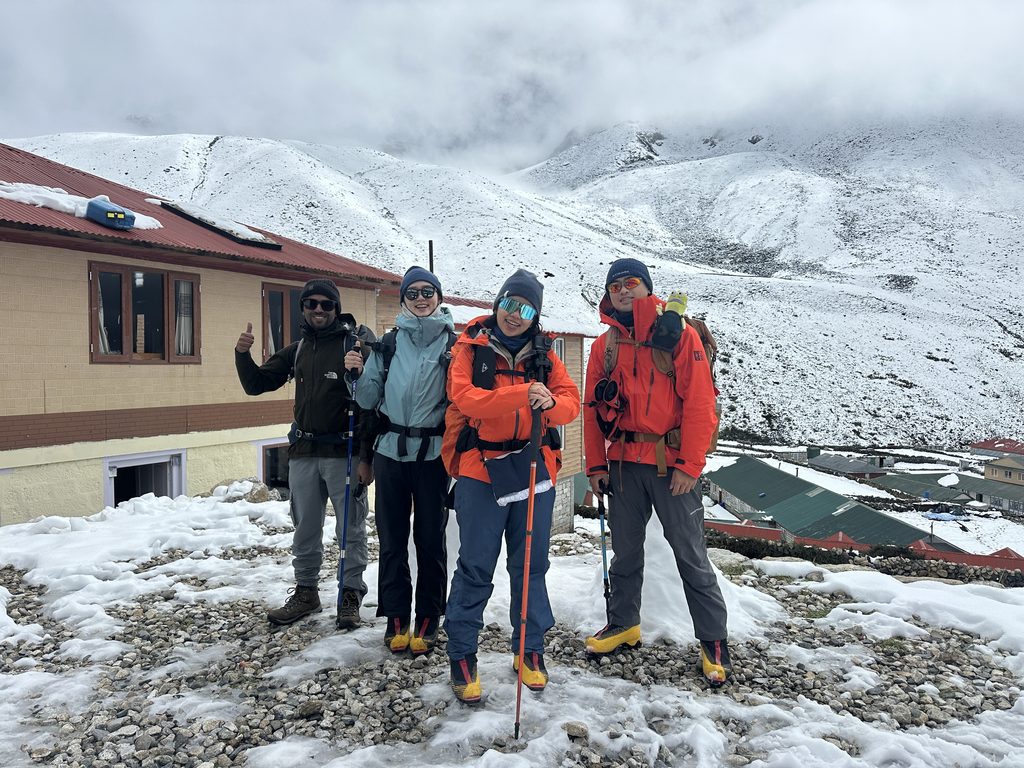
The best time to visit Dingboche Village is generally during spring (March to May) and autumn (late September to November). These seasons usually offer more stable weather, clearer mountain views, and better trail conditions for trekking in the Everest region.
Spring in Dingboche
Spring is a popular season for the Everest Base Camp Trek. From March to May, temperatures gradually become warmer, and the weather is generally suitable for trekking. The skies are often clearer, providing good views of the surrounding mountains. Snow may still be present at higher elevations, particularly early in the season, but the main trekking trails are generally accessible.
Autumn in Dingboche
Autumn, from late September through November, is another favorable period to visit Dingboche. The monsoon season has usually ended, leaving clearer skies and relatively dry trails. October and November are particularly popular because of the good visibility and comfortable trekking conditions. However, temperatures can drop significantly in the mornings and evenings as winter approaches.
Winter and Monsoon in Dingboche
Winter brings colder temperatures and a higher possibility of snowfall around Dingboche, which sits at approximately 4,410 meters (14,470 feet). Snow and freezing temperatures can make sections of the trail more difficult, particularly for trekkers without experience in cold, high-altitude conditions.
The monsoon season, from June to September, brings more clouds and rainfall at lower elevations. In the Everest region, rain is generally less intense at Dingboche than in lower areas, but cloudy weather can reduce mountain visibility. Trail conditions can also vary depending on recent weather.
Essential Travel Tips Before Visiting Dingboche
Proper preparation can make your stay in Dingboche safer and more comfortable. Trekkers should prepare for cold temperatures, changing weather, limited facilities, and the conditions of the upper Khumbu region.
- Pack for Cold Weather: Bring a warm down jacket, thermal layers, gloves, a hat, and a sleeping bag suitable for temperatures around -15°C. Layering allows you to adjust easily to changing temperatures.
- Carry Enough Cash: ATMs and reliable card payment facilities are limited in the upper Everest region. Carry enough Nepali rupees from lower areas such as Namche Bazaar to cover meals, accommodation, showers, charging, Wi-Fi, and other personal expenses.
- Take It Slow: Dingboche is located above 4,000 meters, so acclimatization is important. Walk at a comfortable pace, drink enough water, eat regular meals, and avoid trying to keep up with faster trekkers.
- Get Enough Rest: Sleep and recovery are important at high altitude. Take advantage of your acclimatization day in Dingboche and avoid unnecessary physical exertion.
- Respect Local Culture: Dingboche is home to the Sherpa community and has important Buddhist cultural sites. Walk around mani walls and stupas in a clockwise direction, and ask permission before photographing local people, homes, or religious activities.
- Practice Responsible Trekking: Carry your waste with you until you find a proper disposal point. Reduce single-use plastic by using refill stations where available, and support local teahouses, lodges, and shops during your stay.
- Prepare for Changing Weather: Mountain weather can change quickly. Keep essential warm clothing, rain protection, water, and personal items easily accessible during the trek.
Final Thoughts
Dingboche is a traditional Sherpa village at 4,410m (14,470ft) and an important stop on the Everest Base Camp Trek. Surrounded by peaks such as Ama Dablam, it offers a mix of mountain scenery, Sherpa culture, stone-walled fields, teahouse life, and short hikes.
Spending time in Dingboche allows trekkers to explore the village and prepare for the more rugged sections of the trail toward Lobuche, Gorak Shep, and Everest Base Camp.
FAQs
1. What is Dingboche Village known for?
Dingboche is known as an important acclimatization stop on the Everest Base Camp Trek. It is also known for its stone-walled fields, Sherpa culture, mountain views, and location in the upper Khumbu region.
2. What is the altitude of Dingboche?
Dingboche is located at approximately 4,410 meters (14,470 feet) above sea level in Nepal’s Khumbu region.
3. Where is Dingboche located?
Dingboche is a Sherpa village in the Khumbu region of Nepal, along the main trekking route toward Everest Base Camp. It lies in the Imja Valley above Pangboche.
4. Why is Dingboche an important acclimatization stop?
Dingboche is an important acclimatization stop because it is located above 4,000 meters. Trekkers usually spend an extra night here and take a short hike to a higher elevation before continuing toward Lobuche.
5. How do you reach Dingboche from Kathmandu?
Most trekkers reach Dingboche by flying from Kathmandu to Lukla and then trekking through Phakding, Namche Bazaar, Tengboche, Pangboche, and Dingboche.
6. How many nights should you stay in Dingboche?
Trekkers usually spend two nights in Dingboche, including an acclimatization day, before continuing toward Lobuche and Everest Base Camp.
7. What can you do on the acclimatization day in Dingboche?
The acclimatization day can include a hike toward Nangkartshang Hill, exploring the village, visiting the Dingboche Gompa, or taking a short hike toward Chhukung.
8. How high is Nangkartshang Hill near Dingboche?
Nangkartshang Hill reaches approximately 5,083 meters (16,677 feet). It is a popular acclimatization hiking destination above Dingboche.
9. Can you hike to Chhukung from Dingboche?
Yes. Dingboche is a common starting point for the trail toward Chhukung in the Imja Valley. The route provides views of Ama Dablam, Island Peak, and surrounding Himalayan peaks.
10. What mountains can you see from Dingboche?
Dingboche offers views of several Himalayan peaks, including Ama Dablam, Lhotse, Island Peak, and surrounding mountains. Views can vary depending on weather and visibility.
11. What is the trek from Dingboche to Lobuche like?
The trek from Dingboche to Lobuche is approximately 12 kilometers and generally takes around 5 to 6 hours. The trail gradually climbs through rocky and increasingly barren terrain before reaching Lobuche.
12. What is the altitude of Lobuche from Dingboche?
Lobuche is located at approximately 4,940 meters (16,207 feet), about 530 meters higher than Dingboche.
13. What type of accommodation is available in Dingboche?
Dingboche mainly offers teahouses and trekking lodges with simple rooms, twin beds, blankets, and shared bathrooms. Some lodges may also provide Wi-Fi, charging, hot showers, or attached bathrooms for an additional cost.
14. What food is available in Dingboche?
Teahouses in Dingboche commonly serve dal bhat, fried rice, fried noodles, pasta, soups, eggs, potatoes, vegetables, and momos. Some larger lodges may also offer pizza and spaghetti.
15. What is the best time to visit Dingboche?
The most popular seasons are spring (March to May) and autumn (late September to November) because these periods generally offer more stable weather, clearer mountain views, and favorable trekking conditions.
16. Is Dingboche very cold?
Yes. Dingboche can be very cold, especially during the early morning and at night. Winter is colder and may bring snowfall, so trekkers should carry adequate warm clothing and a suitable sleeping bag.
17. Is there road access to Dingboche?
Dingboche does not have regular road access. Most trekkers reach the village on foot through established trails from Pangboche and other settlements in the Khumbu region.
18. What should you pack for Dingboche?
Essential items include warm layers, a down jacket, thermal clothing, gloves, a warm hat, a sleeping bag, trekking shoes, sunscreen, water bottles, and personal medicines. Cash and a power bank are also useful because facilities are limited at higher elevations.
19. Can you find Wi-Fi and charging facilities in Dingboche?
Yes, some teahouses and lodges offer Wi-Fi and electronic device charging, although availability and connection quality can vary. These services may also require an additional fee.
20. What should trekkers consider before visiting Dingboche?
Trekkers should be prepared for high altitude, cold weather, changing mountain conditions, basic facilities, and limited services. Walking slowly, staying hydrated, eating regularly, getting enough rest, and following a gradual acclimatization schedule are important before continuing toward Lobuche and Everest Base Camp.
Posted on