

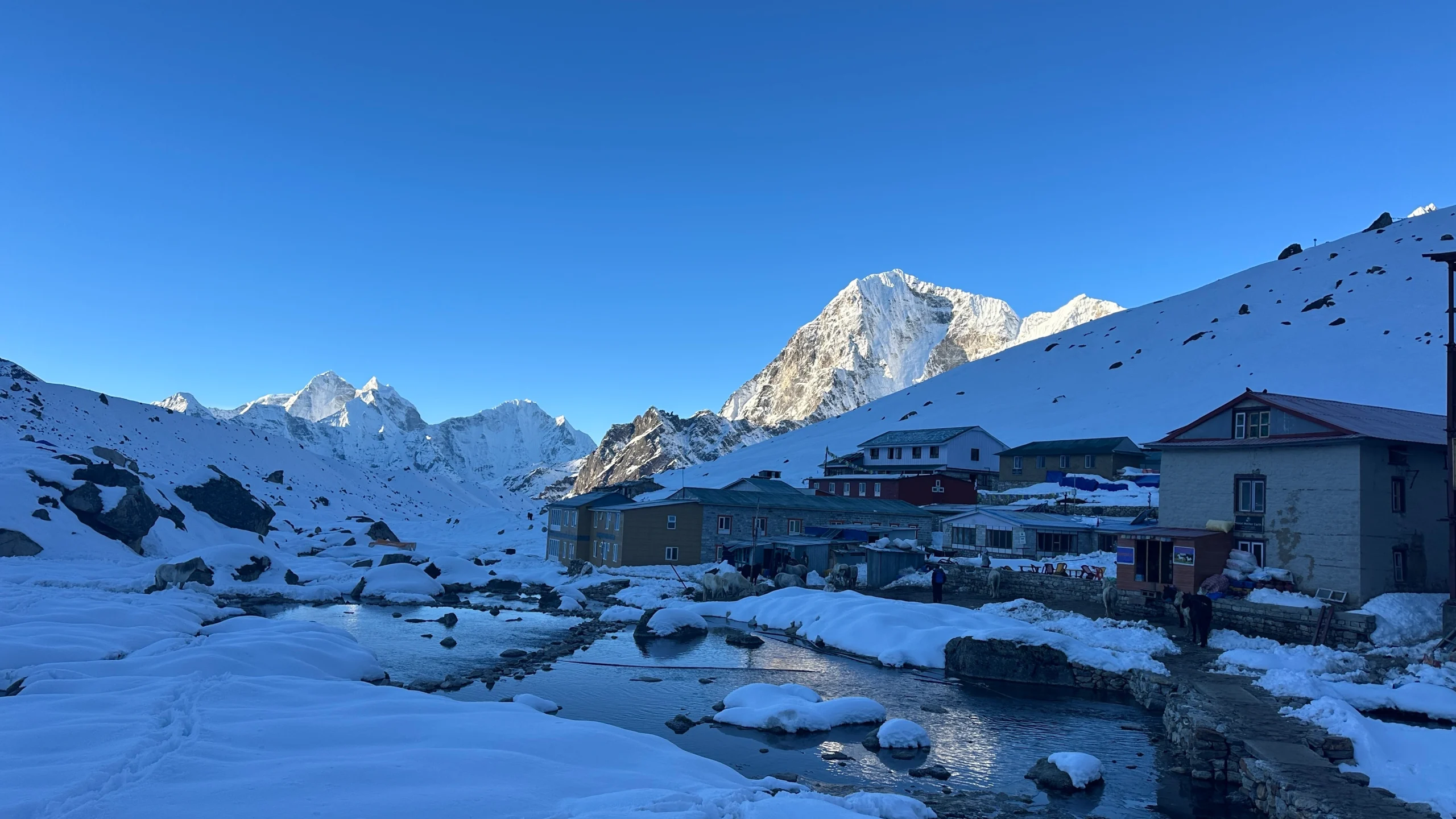
Lobuche Village is a high-altitude settlement in the Solukhumbu district of eastern Nepal, located near the Khumbu Glacier on the route to Everest Base Camp. It is one of the final overnight stops before reaching Gorakshep, Everest Base Camp, and Kala Patthar.
Situated at around 4,940 meters, Lobuche is a small mountain settlement with several teahouses and lodges for trekkers. The village is surrounded by rugged landscapes, glaciers, and high Himalayan peaks, making it an important stop on the Everest Base Camp Trek.
The name Lobuche comes from the nearby Lobuche East and Lobuche West peaks, which rise to approximately 6,119 meters and 6,145 meters, respectively. From the village, trekkers can enjoy impressive views of the surrounding Himalayan terrain while preparing for the final section of the journey toward Everest Base Camp.
A short walk from Lobuche leads to the Everest Pyramid, a distinctive glass-covered research station established for scientific research in the high Himalayas. Researchers have used the station to monitor weather, atmospheric conditions, climate change, and other mountain-related data. The facility also provides basic communication and emergency support for people working in the region.
Walking through Lobuche offers more than mountain scenery. The trail passes through the traditional homeland of the Sherpa people, giving trekkers opportunities to experience their culture, hospitality, and way of life in the high Himalayas.
The best seasons to visit Lobuche are generally spring (April to May) and autumn (September to November). These months usually offer more stable weather, clearer mountain views, and better trekking conditions along the Everest Base Camp route.
How to Get to Lobuche?
The most common way to reach Lobuche Village is by flying from Kathmandu to Lukla and then trekking through the Everest region. Lukla is the traditional starting point for the Everest Base Camp route and provides access to the trail leading toward Lobuche.
From Lukla, the trek generally follows the route through Phakding, Namche Bazaar, Tengboche, Dingboche, and Lobuche. The journey takes several days and involves a gradual increase in altitude, making proper acclimatization important.
At an elevation of around 4,940 meters, Lobuche is one of the highest settlements on the Everest Base Camp trail. Trekkers normally spend acclimatization time in places such as Namche Bazaar and Dingboche before continuing toward Lobuche. Taking enough time to adjust to the increasing elevation helps reduce the risk of altitude-related problems.
You can travel independently by arranging accommodation, permits, and other logistics yourself, or join an organized Everest Base Camp trek with a local trekking agency. Depending on your itinerary, you will generally need permits such as the Sagarmatha National Park Entry Permit and the Khumbu Pasang Lhamu Rural Municipality Permit.
The journey to Lobuche is not only about reaching a high-altitude village. The trail passes through Sherpa settlements, Buddhist monasteries, suspension bridges, alpine valleys, and rugged Himalayan landscapes, with views of some of the region’s major peaks along the way.
For most trekkers, reaching Lobuche marks an important stage of the Everest Base Camp journey before continuing toward Gorak Shep and Everest Base Camp.
Location and Geography
Lobuche lies in Nepal’s Khumbu region, east of Gorak Shep, at an elevation of around 4,940 meters (16,207 feet). It is one of the last settlements before Everest Base Camp, making it an important overnight stop for trekkers. The village sits near the Khumbu Glacier, surrounded by rugged Himalayan terrain.
The landscape around Lobuche is dominated by high peaks, including Pumori (7,161 m), Nuptse (7,861 m), and Lingtren (6,749 m). Vegetation is sparse because of the extreme altitude and cold climate, while snow, rocks, glaciers, and moraine shape much of the surrounding terrain.
Lobuche is located along the main Everest Base Camp trekking trail. From here, the route continues through rocky and glacial terrain toward Gorak Shep and Everest Base Camp. Cold winds, low temperatures, and rapidly changing weather are common, so trekkers should be properly equipped and acclimatized.
Its high-altitude setting, rugged landscape, and proximity to the Khumbu Glacier make Lobuche an important stop on the Everest Base Camp route.
Best Time to Visit Lobuche Village
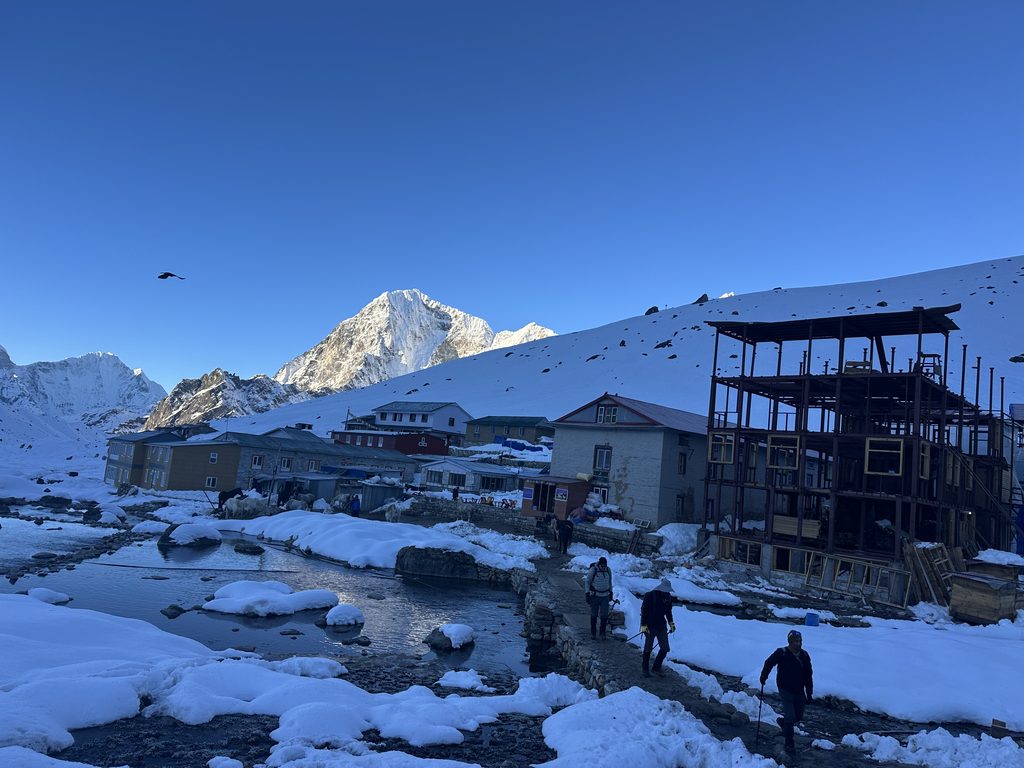
The best time to visit Lobuche Village is generally during spring (March to May) and autumn (September to November). These are the main trekking seasons in the Everest region, offering more stable weather, clearer skies, and better trail conditions.
However, Lobuche sits at a high elevation, so the weather can be cold and unpredictable throughout the year. Even in the best trekking months, temperatures can fall below freezing at night, while strong winds and sudden weather changes are possible. Choosing the right season can therefore make a significant difference to your trekking experience.
Spring: March to May
Spring brings gradually warmer temperatures and longer daylight hours to Lobuche. Daytime temperatures generally range from around -5°C to 10°C, while nights can fall to -15°C or lower. Snow from winter gradually melts, although snow and icy patches may still remain on higher sections of the trail.
Key features of spring include:
- Clear mornings with clouds developing later in the day
- Better visibility of Everest and surrounding peaks
- Moderate winds compared with winter
- Increasing numbers of trekkers as the season progresses
- Rhododendron blooms at lower elevations
March can still feel like winter, particularly during the first few weeks. April and May are usually warmer and more comfortable for trekking, although occasional afternoon showers can occur toward May as the monsoon season approaches.
Spring is also the main Everest climbing season, so trekkers may see mountaineering teams, porters, and expedition activity around Lobuche and the nearby Everest Base Camp route.
Autumn: September to November
Autumn is widely regarded as one of the most reliable seasons for trekking in the Everest region. The monsoon usually leaves behind clearer skies and cleaner mountain views, while daytime conditions are generally suitable for long trekking days.
Temperatures in Lobuche can range from about 0°C to 12°C during the day, while nighttime temperatures may drop to -20°C or lower, particularly toward late November.
| Autumn Month | Daytime Temperature | Nighttime Temperature | Typical Conditions |
| September | 5°C to 12°C | -5°C to -10°C | Occasional rain early in the month |
| October | 0°C to 10°C | -10°C to -15°C | Stable weather and peak trekking season |
| November | -5°C to 5°C | -15°C to -20°C | Colder, quieter, with possible snowfall |
October is usually the busiest month, thanks to stable weather, clear mountain views, and comfortable trekking conditions. Teahouses can become crowded, particularly along the popular Everest Base Camp route, so arranging accommodation in advance is useful.
November brings colder temperatures and fewer trekkers. Snowfall becomes more likely later in the month, but the quieter trails and crisp mountain atmosphere can appeal to experienced trekkers.
Winter: December to February
Winter makes trekking to Lobuche considerably more demanding. Temperatures can remain around or below freezing during the day, while nighttime temperatures may fall below -20°C. Snow, strong winds, and icy trails can also make the journey more difficult.
Common winter challenges include:
- Some teahouses closing or operating with limited services
- Fewer food and accommodation options
- Shorter daylight hours
- Increased risk from extreme cold
- Snow and ice on sections of the trail
- Possible disruptions caused by heavy snowfall
Experienced trekkers may still choose winter for the quieter trails and snow-covered Himalayan scenery. If you plan to visit Lobuche during this period, warm layers, insulated footwear, a suitable sleeping bag, and proper cold-weather equipment are essential.
Monsoon: June to August
The monsoon season brings heavy rainfall to many parts of Nepal, although Lobuche lies within the relatively dry rain-shadow area of the Everest region. Even so, trekking conditions can be less predictable.
Clouds and fog can reduce mountain visibility, while rain at lower elevations may make trails muddy and slippery. Landslides can also affect sections of the route below Namche Bazaar, potentially causing delays.
Very few trekkers visit Lobuche during the monsoon, and some teahouses may operate with limited services or close temporarily. On the other hand, the lower valleys become greener, and wildflowers add colour to the landscape.
For clear mountain views and more reliable trail conditions, October and November are generally among the best months to visit Lobuche, while April and May are also good choices for trekkers who want spring conditions and the chance to see Everest expedition activity.
Accommodation and Facilities in Lobuche Village
Accommodation in Lobuche is basic and designed mainly for trekkers. Most lodges are built using local stone and wood and offer simple twin-sharing rooms with beds, blankets, and limited space for personal belongings. The village has a limited number of rooms, so booking ahead is advisable during the busy trekking seasons, particularly from March to May and September to November.
Popular lodges in Lobuche include Oxygen Lodge, Pyramid Lodge, Sherpa Lodge, Alpine Lodge, and Nepal Eco Lodge. Most lodges have shared dining areas where trekkers can eat and relax around a central yak-dung stove, which provides warmth in the cold mountain environment.
Facilities are basic but generally include shared bathrooms, charging points, and limited Wi-Fi. Hot showers may be available at selected lodges for an additional fee, and availability can depend on weather conditions and the lodge’s facilities. Meals typically include a mix of Nepali and international dishes, giving trekkers several options before continuing toward Everest Base Camp.
Trekking to Lobuche Village on the Everest Base Camp Trail
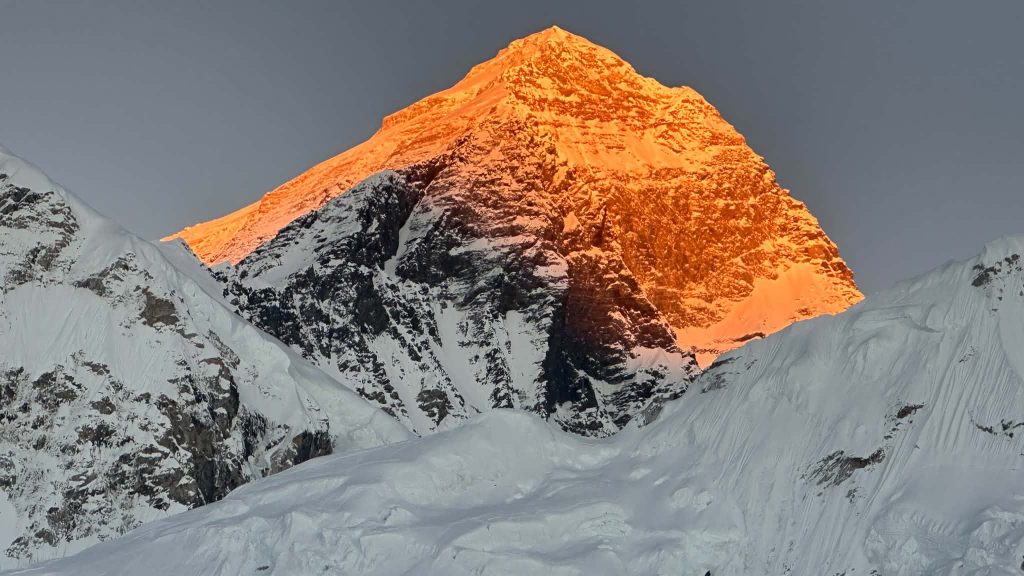
The trek to Lobuche Village is an important section of the Everest Base Camp trail. Most trekkers start from Dingboche after an acclimatization day. The trail gradually climbs through the open valley along the Khumbu Khola before reaching Dughla, also known as Thukla.
From Dughla, the trail becomes steeper as it climbs toward Thukla Pass. Along the way, trekkers pass memorials dedicated to climbers and Sherpas who lost their lives on Everest and nearby peaks. The area is a quiet place to pause and pay respect before continuing toward Lobuche.
The walk from Dingboche to Lobuche generally takes around five to six hours. The trail is mostly clear but can be rocky, dusty, and windy. At this altitude, walking slowly and taking regular breaks can help manage the demanding conditions.
Along the route, trekkers can enjoy views of Nuptse, Pumori, and the Khumbu Glacier. As the trail approaches Lobuche, the landscape becomes increasingly dry, rocky, and sparsely vegetated.
Acclimatization Tips for Staying in Lobuche Village
At around 4,940 meters, Lobuche is a high-altitude settlement where proper acclimatization is important. Take time to rest, walk slowly, and avoid unnecessary physical effort.
- Stay hydrated: Drink water regularly and avoid excessive caffeine and alcohol.
- Eat well: Choose light, nutritious meals to maintain energy.
- Sleep comfortably: Use warm layers and a good sleeping bag during cold nights.
- Walk slowly: Maintain a steady pace and take short breaks when needed.
- Watch for symptoms: Headache, nausea, dizziness, and unusual tiredness can indicate altitude sickness. If symptoms worsen, stop ascending and descend to a lower elevation.
- Listen to your body: Do not push yourself toward Everest Base Camp if you are feeling unwell.
10 Things to Do at Lobuche
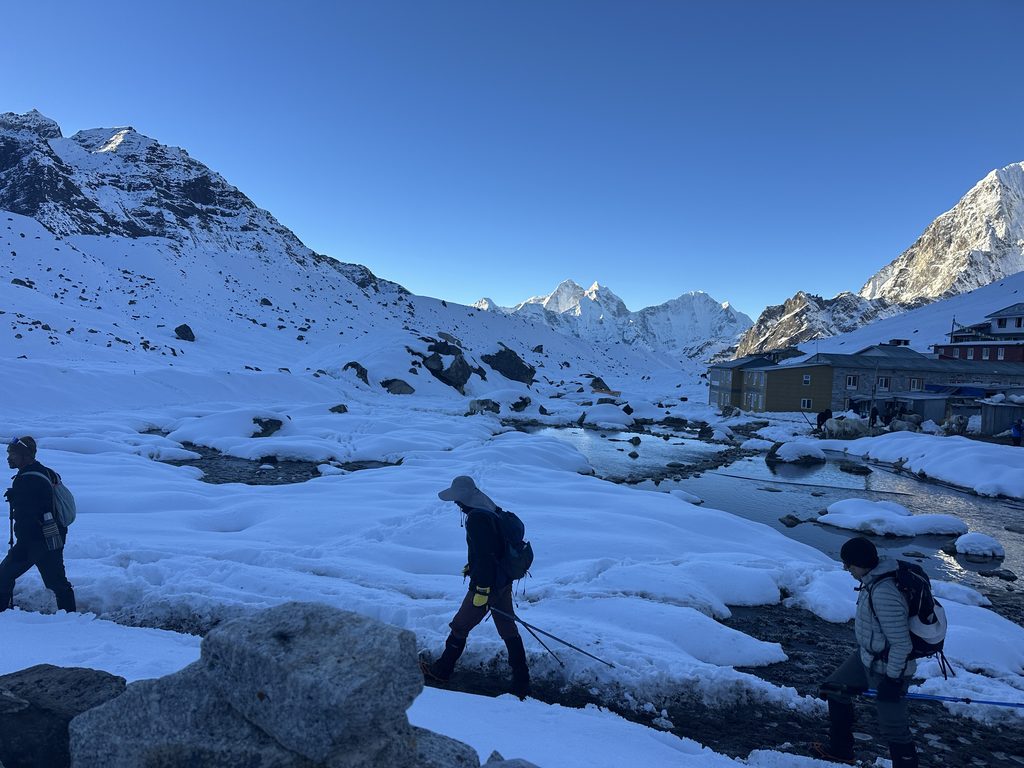
- Watch Sunrise and Sunset – Enjoy golden views of Everest, Nuptse, Pumori, and surrounding peaks.
- Hike to Lobuche East Base Camp – Take a short side hike for closer mountain and glacier views.
- Climb Lobuche East Peak – Experienced trekkers can attempt the peak with proper equipment and guidance.
- Visit Thukla Pass Memorial – See the memorials dedicated to climbers who lost their lives in the Everest region.
- Relax at a Local Bakery – Enjoy hot drinks, cakes, bread, and cookies after a long trekking day.
- Explore the Khumbu Glacier – Admire the rugged ice formations and dramatic Himalayan landscape.
- Enjoy Mountain Views – Take time to photograph Pumori, Nuptse, and other surrounding peaks.
- Take a Short Acclimatization Walk – Walk gently around Lobuche to stay active while adjusting to the altitude.
- Experience Sherpa Village Life – Explore the settlement and observe traditional high-altitude life.
- Continue to Everest Base Camp – Trek toward Gorakshep and Everest Base Camp through the rugged Khumbu landscape.
Conclusion
Lobuche Village is an important stop on the Everest Base Camp Trek, offering a rugged high-altitude setting near the Khumbu Glacier. Its location at around 4,940 meters makes it a demanding but significant stage before Gorakshep and Everest Base Camp. Trekkers can experience dramatic mountain landscapes, Sherpa culture, the Thukla Pass memorials, and nearby Himalayan landmarks while staying in basic teahouses. With proper acclimatization, suitable clothing, and careful pacing, Lobuche provides a valuable base for continuing toward Everest Base Camp and Kala Patthar.
FAQ’s
1. Where is Lobuche Village located?
Lobuche Village is located in Nepal’s Khumbu region, near the Khumbu Glacier on the Everest Base Camp trekking route.
2. What is the altitude of Lobuche?
Lobuche is situated at approximately 4,940 meters (16,207 feet) above sea level.
3. How do you reach Lobuche?
Most trekkers fly from Kathmandu to Lukla and trek through Phakding, Namche Bazaar, Tengboche, Dingboche, and onward to Lobuche.
4. How long does it take to trek from Dingboche to Lobuche?
The trek from Dingboche to Lobuche generally takes around 5–6 hours, depending on pace, trail conditions, and breaks.
5. Is Lobuche before Everest Base Camp?
Yes. Lobuche is one of the final overnight settlements before Gorakshep and Everest Base Camp.
6. What can you see from Lobuche?
Trekkers can see parts of the surrounding Himalayan landscape, including Nuptse, Pumori, Lingtren, and the Khumbu Glacier.
7. Is there accommodation in Lobuche?
Yes. Lobuche has several basic teahouses and lodges offering rooms, meals, shared bathrooms, and other essential services for trekkers.
8. Is Wi-Fi available in Lobuche?
Some lodges provide Wi-Fi, although the connection can be limited and may depend on weather and local conditions.
9. Is Lobuche difficult to reach?
The trail to Lobuche is physically demanding mainly because of the high altitude. Walking slowly and following a properly acclimatized itinerary is important.
10. Is altitude sickness a concern in Lobuche?
Yes. At around 4,940 meters, altitude sickness is a serious consideration. Trekkers should monitor symptoms and descend if symptoms become worse.
11. What is the best time to visit Lobuche?
March to May and September to November are generally the best periods. October and November often provide good visibility and stable trekking conditions.
12. Can you see Everest from Lobuche?
Lobuche provides views of the surrounding Everest-region mountains, although the village itself is not the main viewpoint for Mount Everest.
13. What is near Lobuche Village?
Important nearby places include the Thukla Pass memorial area, Khumbu Glacier, Everest Pyramid, Gorakshep, and Everest Base Camp.
14. Can you hike Lobuche East from the village?
Yes. Lobuche Village provides access toward Lobuche East, but climbing the peak requires appropriate mountaineering preparation, equipment, and guidance.
15. How cold is Lobuche?
Lobuche can be extremely cold, particularly at night. Temperatures can fall well below freezing even during the main trekking seasons, so warm clothing and a suitable sleeping bag are essential.
16. What facilities are available in Lobuche?
Basic facilities include teahouse accommodation, dining areas, food, shared bathrooms, charging facilities, and limited internet access. Hot showers may be available for an additional fee.
17. Can you visit Lobuche in winter?
Yes, but winter trekking can be more demanding because of freezing temperatures, snow, icy trails, and possible lodge closures or limited services.
18. Why is Lobuche important on the Everest Base Camp Trek?
Lobuche is an important overnight stop before Gorakshep and Everest Base Camp. It also allows trekkers to experience the increasingly rugged environment of the upper Khumbu region.
Posted on